
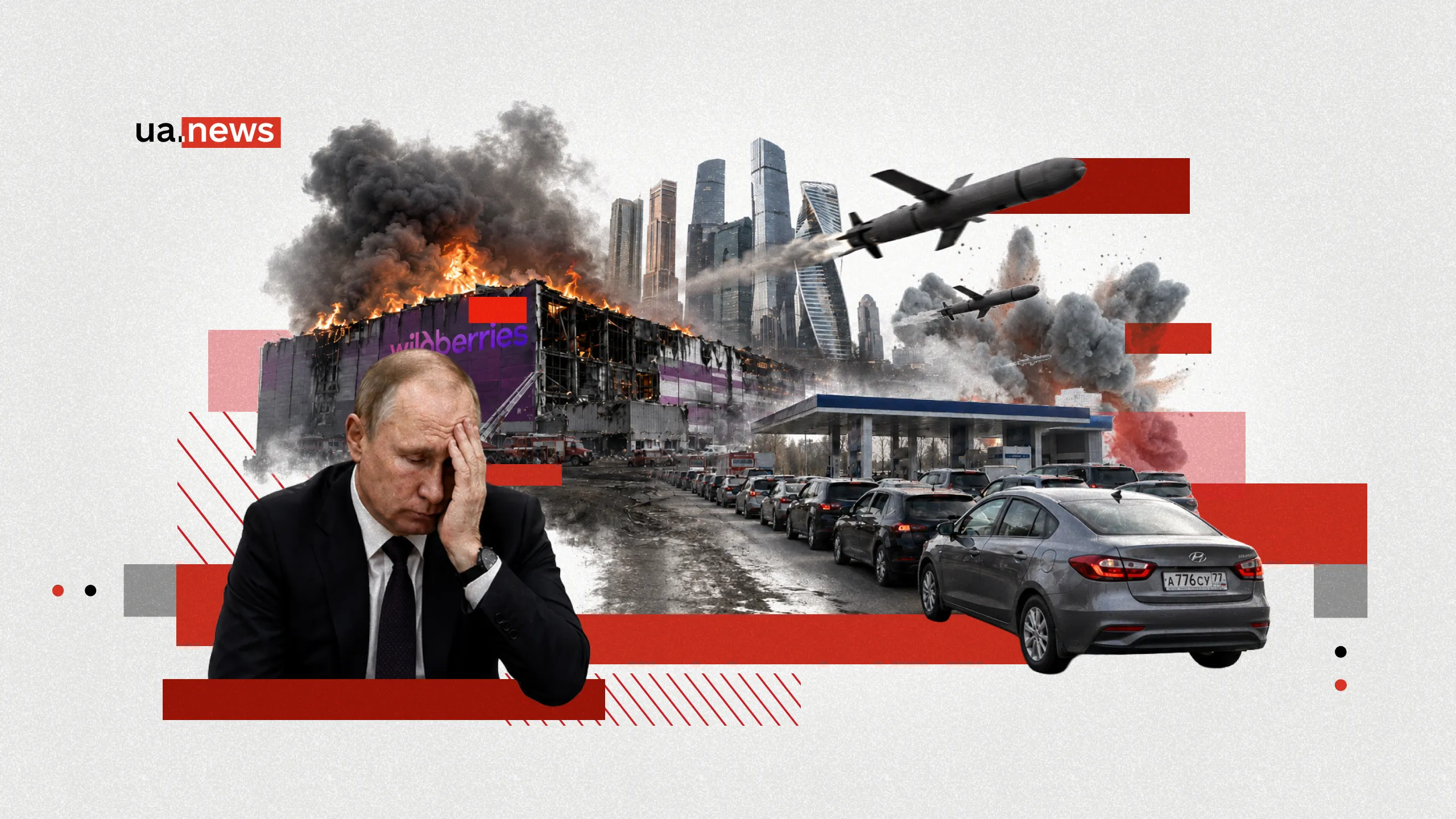
Today, August 4, 2026, marks exactly 40 days since President Volodymyr Zelenskyy authorized the Security Service of Ukraine to carry out an “operation to influence the aggressor state in order to prompt an end to the war.” At the time, in late June, this statement sounded like a challenge—and at the same time, a signal that Ukraine supposedly had a clear plan to exert systematic pressure on Russia.
The president did not disclose any details, but it later became clear: it involved a series of long-range strikes on oil refineries, oil depots, logistics centers, airfields, and other facilities deep within Russia and in the temporarily occupied territories. UA.News published a separate analysis of these developments exactly two weeks ago, at the height of the 40-day operation.
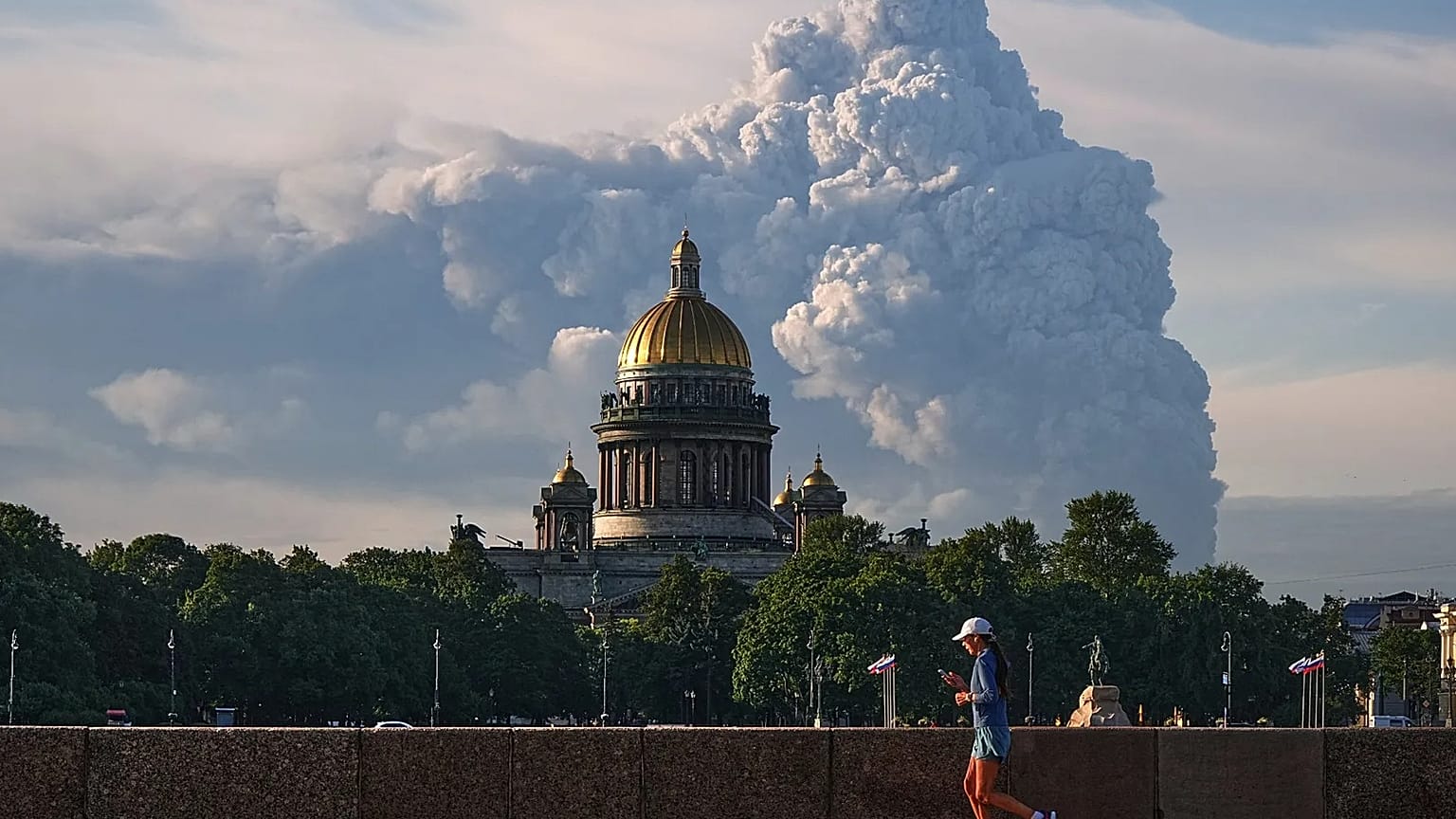
A lot has happened over these 40 days. Oil refineries burned in Saratov, Tatarstan, Ufa, Yaroslavl, Omsk, St. Petersburg, Syzran, and many other locations. Oil depots were ablaze in the Stavropol Krai, the Moscow Region, the Kaluga Oblast, and elsewhere. Ammunition depots exploded in the occupied cities of Donetsk and Yenakiyeve. There were also attempts at massive attacks on Moscow and the Moscow Region. Huge Wildberries warehouses were on fire in literally dozens of locations, and the “Yuzhnye Vrata” logistics complex near Domodedovo was ablaze. Energy infrastructure facilities were also targeted—thermal power plants in Belgorod and Lipetsk, and power substations in Crimea.
All of the above, without a doubt, looks very impressive. But is it effective? Did it succeed in achieving its stated goal? That is the main question we should try to answer today, on the last day of the 40-day period. For more details, see the UA.News article.
What Worked and What Didn’t: Results of the Operation
Undoubtedly, this 40-day operation achieved some success. Strikes on Russian oil refineries have exacerbated the worst fuel crisis in Russia in decades. Many regions are now facing a severe gasoline shortage. In a sense, these strikes have shaken the unspoken “social contract” between the Kremlin and Russian society, which for a long time was based on the principle of “economic stability and relative prosperity in exchange for restrictions on political freedoms” — although this can generally be said of the entire war. And the strikes on logistics centers have inflicted significant damage on Russian big business: the destruction of Wildberries’ warehouses was a painful blow to the consumer market, and thousands of small businesses have been forced to close or scale back operations.
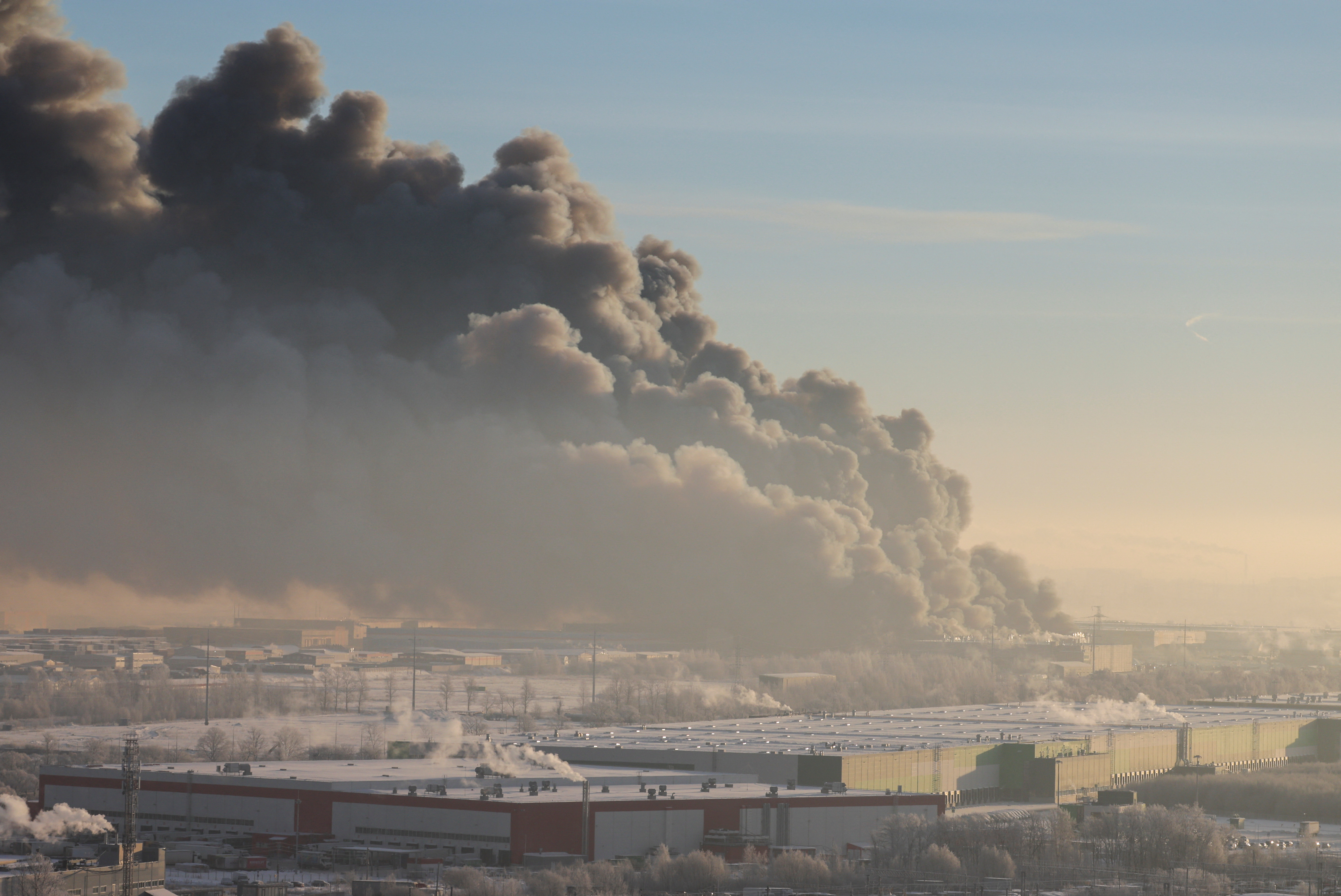
And this can generally be said about every successful strike: anything that reached Russia and was not shot down by their air defense systems usually hit its target and caused serious local disruptions for local authorities. However, these tactical successes have not yet translated into any strategic gains.
The Russian authorities have already managed to at least partially resolve the initial shock and problems caused by the strikes on oil refineries, and the fuel crisis, though still a pressing issue for Russia, has begun to subside. At the same time, some experts are already saying that the fuel crisis will soon return to Ukraine because the enemy is destroying hundreds of domestic gas stations. Prices at Ukrainian gas stations have already risen significantly, and the issue of protecting them from drones is becoming increasingly urgent.
In Crimea and other occupied territories, the situation remains difficult: due to “middle strikes,” there are problems not only with fuel but also with electricity. Crimeans have been living de facto without electricity for weeks, just as residents of Odesa, Kyiv, and other cities did this past winter. But overall, the internal destabilization in Russia—which Kyiv had evidently been counting on once again—did not materialize. No mass protests or riots have been reported. The authorities are managing the situation as best they can, and Putin remains “Teflon-coated” in the eyes of Russians and the Russian elite: none of the “dirt” stemming from everyday inconveniences and the problems faced by ordinary residents of the Russian Federation sticks to him. At least, not publicly.
The situation on the front lines has also not undergone any fundamental changes over these 40 days. The Ukrainian army has not managed to make any large-scale offensive breakthroughs. The Russian army, although it continues to advance in certain areas (very slowly), is not demonstrating any tangible successes either. In other words, neither the domestic nor the military situation poses a threat to Putin severe enough to prompt him to make any concessions. And, as the saying goes, the sheriff doesn’t care about the Indians’ problems.
The
Price Ukraine Paid
The worst part is that this operation had a downside—and it turned out to be painful for Ukraine itself. In response to Ukrainian attacks on Russian grain and fuel exports in the Black and Azov Seas, Russia imposed a complete naval blockade of Ukrainian ports. This has, in essence, become the most serious economic problem for Kyiv, as the blow to the country’s export potential has very long-term consequences.
Russia has also escalated its massive strikes on Ukrainian territory: primarily on Kyiv, but many other cities are also taking a heavy toll. The “Shahed” drones and the latest “Banderole” drones pose a particular threat, as they are extremely difficult for Ukrainian air defense forces to shoot down. Every time—or almost every time—such strikes occur, people who could have lived are killed, and those who should be healthy are injured. Ukraine is suffering heavy losses from strikes on its cargo and postal warehouses (for example, “Nova Poshta,” ROZETKA, or the “Lasunka” warehouse in Odesa), as well as on gas stations, which are being destroyed by the hundreds.
In other words, the operation, which was intended to “compel Russia to make peace,” has led exclusively to escalation on both sides. Each side responds to large-scale strikes with even larger-scale strikes, and what is most horrific is that in this conflict, it is not the combatants or professional soldiers on the battlefield who suffer most, but ordinary civilians in their homes, on their playgrounds, and so on. The war between two states and two large armies has long since turned into, first and foremost, a war against each other’s peoples.

Nor can it be said that things are going particularly well on the foreign policy front. Yes, Trump is no longer pressuring Kyiv on the issue of peace talks and, it seems, is not influencing it in any way at all. At the same time, despite enormous efforts and Zelenskyy’s personal visit to the White House, the Ukrainian government has still been unable to secure from the U.S. new missiles for the Patriot systems, which Kyiv critically needs to defend against ballistic strikes. And the promise to grant Ukraine licenses to manufacture these missiles remains just a promise for now.
Another area of focus is the attempt to obtain permission to use Starlink on Russian territory. Reportedly, Zelenskyy tried to persuade Trump and Musk to lift restrictions so that the satellite network could be used to guide drones to ballistic missile launchers deep inside Russia. Ukraine wants to use Starlink specifically to destroy the launchers that Russia uses to strike Ukrainian cities. However, the U.S. has not provided a clear answer, casting doubt on the future of this plan. Until now, Elon Musk has allowed Ukraine to use Starlink exclusively on its own territory.
At the moment, Washington most likely simply has no desire to get involved in Ukrainian affairs. It has refrained from exerting pressure on both Kyiv and Moscow—just as it has refrained from providing any assistance to either side. “I’ve been trying to reconcile you for over a year, but you want to keep fighting—well, then fight until the end,”—this is most likely the logic Donald Trump is using to think and act today.

Rhetoric vs. Reality: Is There a Chance for Peace?
Against the backdrop of all the events that have unfolded over the past 40 days, the statements from the leaders of both countries do not seem encouraging. On the one hand, Zelenskyy publicly proposed yesterday any format for a ceasefire, including a truce in the air and in the energy sector. On the other hand, the president has already announced the approval of a plan for new strikes against Russia. And Putin once again rejected the idea of a ceasefire, instead making it clear that Russia plans to continue fighting for at least another three years and wants to “achieve all its objectives” in Ukraine.
So, 40 days have passed. The influence operation is officially over. What can be said as a result?
First, this operation was certainly spectacular. Ukraine demonstrated its ability to strike deep into Russia—all the way to Omsk in Siberia. Oil refineries, oil depots, warehouses, airfields, and other facilities were set ablaze. The war is inevitably spilling over onto Russian territory.
Second, the operation was not effective. It did not lead to fundamental changes on the front lines, did not cause internal destabilization in Russia, and did not force the Kremlin to the negotiating table. The fuel crisis was partially resolved, the economy did not collapse, and there were no protests. In other words, from the standpoint of effectiveness—the stated goal was to “force Russia to make peace”—there is nothing to say: it certainly did not bring about any peace.
Third, the operation came at a high cost to Ukraine itself. A naval blockade of ports, massive and indiscriminate retaliatory missile and drone strikes, and civilian casualties and injuries—that was the price paid.
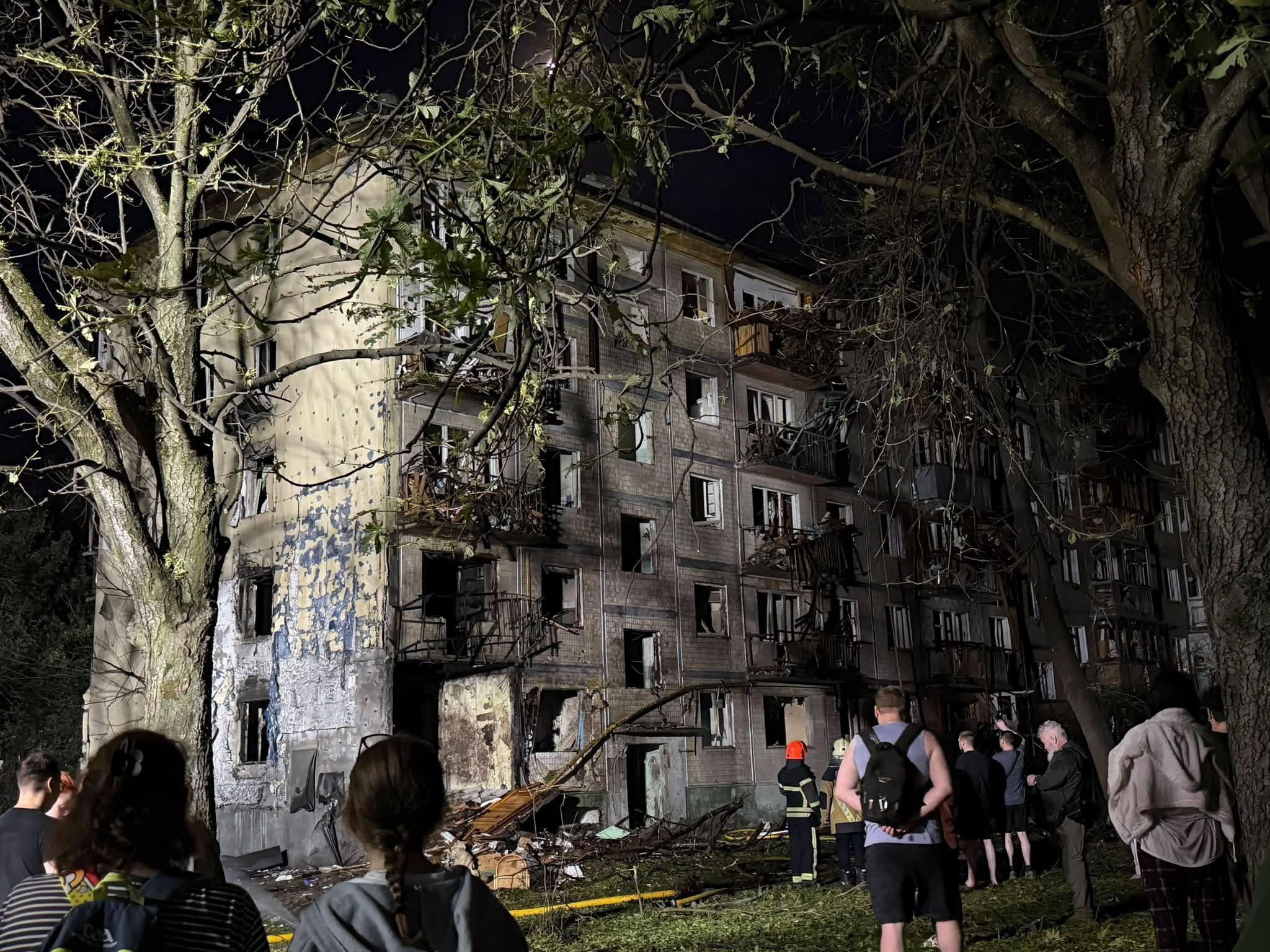
And most importantly: unfortunately, no one has come any closer to peace. It seems that, on the contrary, everyone has actually moved even further away. Both sides are sinking deeper and deeper into escalation. News from both countries resembles some kind of apocalypse: things are constantly burning, flying in, exploding; the wounded and dead lie in pools of blood, and so on. This is an utterly unhealthy news cycle that leads to nothing but the further radicalization of societies and a growing tolerance for death and destruction. And winter is still ahead of us, which, according to numerous forecasts, could become the “hardest” yet (again!) due to the Russian Federation’s massive strikes on energy infrastructure.
That is precisely why the best option for everyone is immediate de-escalation, the resumption of political dialogue with the participation of international partners and mediators, and a path toward peace—or at least a situational truce, ceasefire, or any form of “freeze,” and so on.
But, unfortunately, today all of this is more like fantasies and dreams that bear absolutely no relation to reality. So, although the 40-day operation to exert influence is now behind us, the war has only become even more all-out. And worst of all, there are simply no signs or prospects of it ending today.




