

Studying abroad is, first and foremost, a serious challenge, and only later a prestigious diploma. Adapting to a new environment without clear guidance, support, or a sense of community; building a career in a highly competitive world; and facing hundreds of new challenges along the way. To ensure that Ukrainian students are not left alone with these issues, but instead become part of an influential intellectual community, the Ukrainian Students Union (USU) was founded in the United Kingdom four years ago — a network of Ukrainian student chapters bringing together dozens of universities and thousands of young people.
What began as an initiative by five first-year students in London has since grown into a large-scale network spanning 56 universities across the UK and partnering with global giants such as Deloitte and IBM.
Journalists from UA.News spoke with USU founder and leader Danylo Nikiforov about how a small student initiative evolved into an international organisation that combines education, career opportunities, and a strong connection to Ukraine.
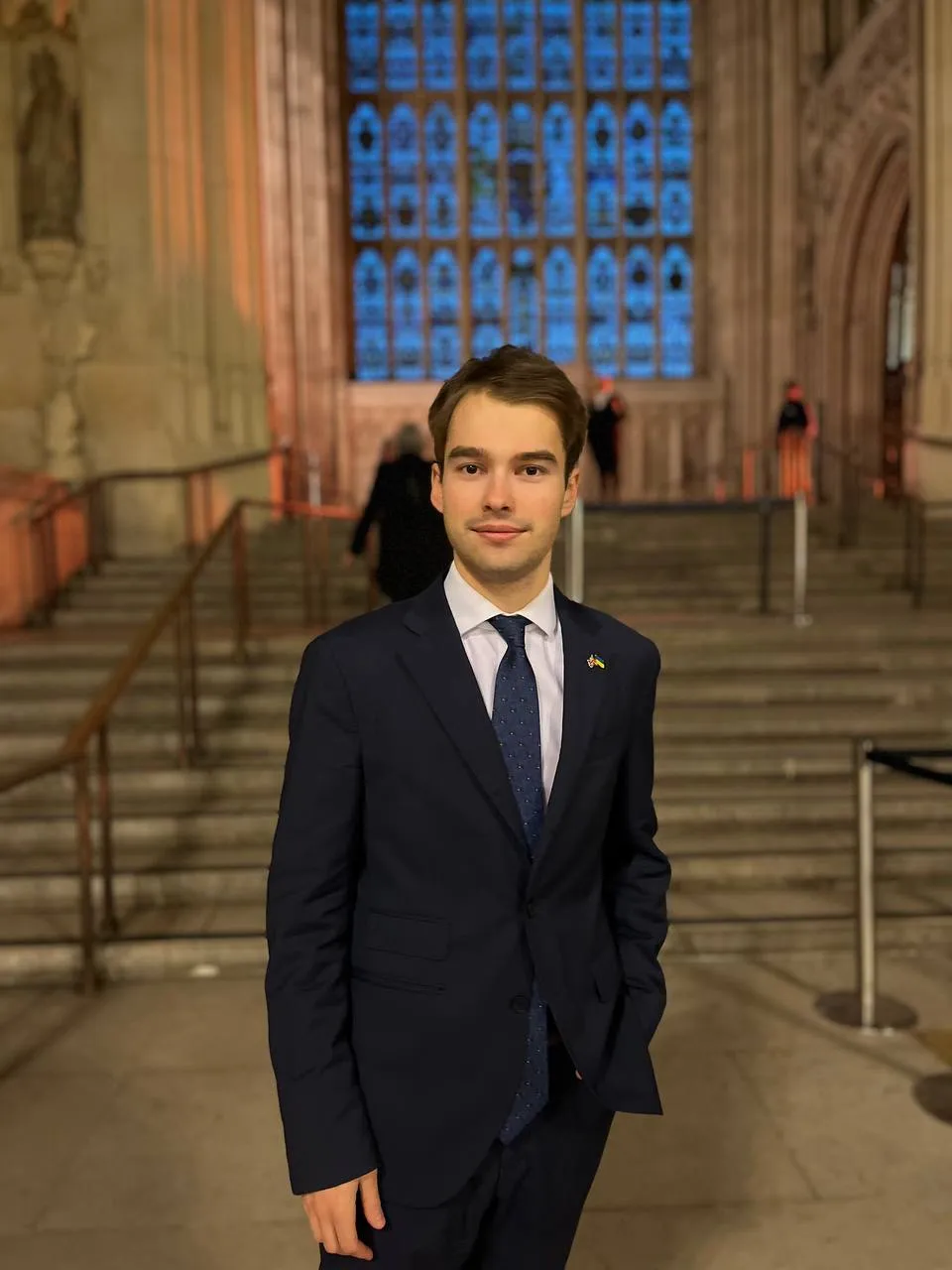
On the first motivation: “There were five of us, and we had to explain what Ukraine was”
I’ve been living in the UK for 10 years now, but it all began in 2019, when I enrolled at the London School of Economics. It was the year of COVID, and there were only five of us Ukrainians on the course. We found each other by chance and decided we needed to stick together to organise events that would be of interest to our community. At the time, though, it was hard to even call us a “group” — there were just five people. And Ukraine was not yet widely known around the world: sometimes we literally had to explain, using our fingers, what kind of country it was.
That’s why we decided to unite. Our first event focused on anti-corruption reforms. We invited a director from Deutsche Bank and experts from Chatham House… but only the five of us showed up, along with a few international students we had almost dragged in by hand, and a couple of random attendees. That’s when we realised that simply holding discussions was not enough — Ukraine was not on the global agenda at the time. It was then that I decided to go to neighbouring universities, look for acquaintances, and encourage them to become presidents of their own Ukrainian societies, so that we could visit and support one another.
What USU means today
Before the full-scale invasion, five or six universities had already joined USU — around 60 people in total, which felt like a significant force in London at the time. We did everything, from going out to bars to organising lectures. And then February 2022 began. We immediately held a large fundraiser and raised £40,000 for drones. Boris Johnson noticed this and sent us a letter of thanks. From that moment on, everything started moving incredibly fast.
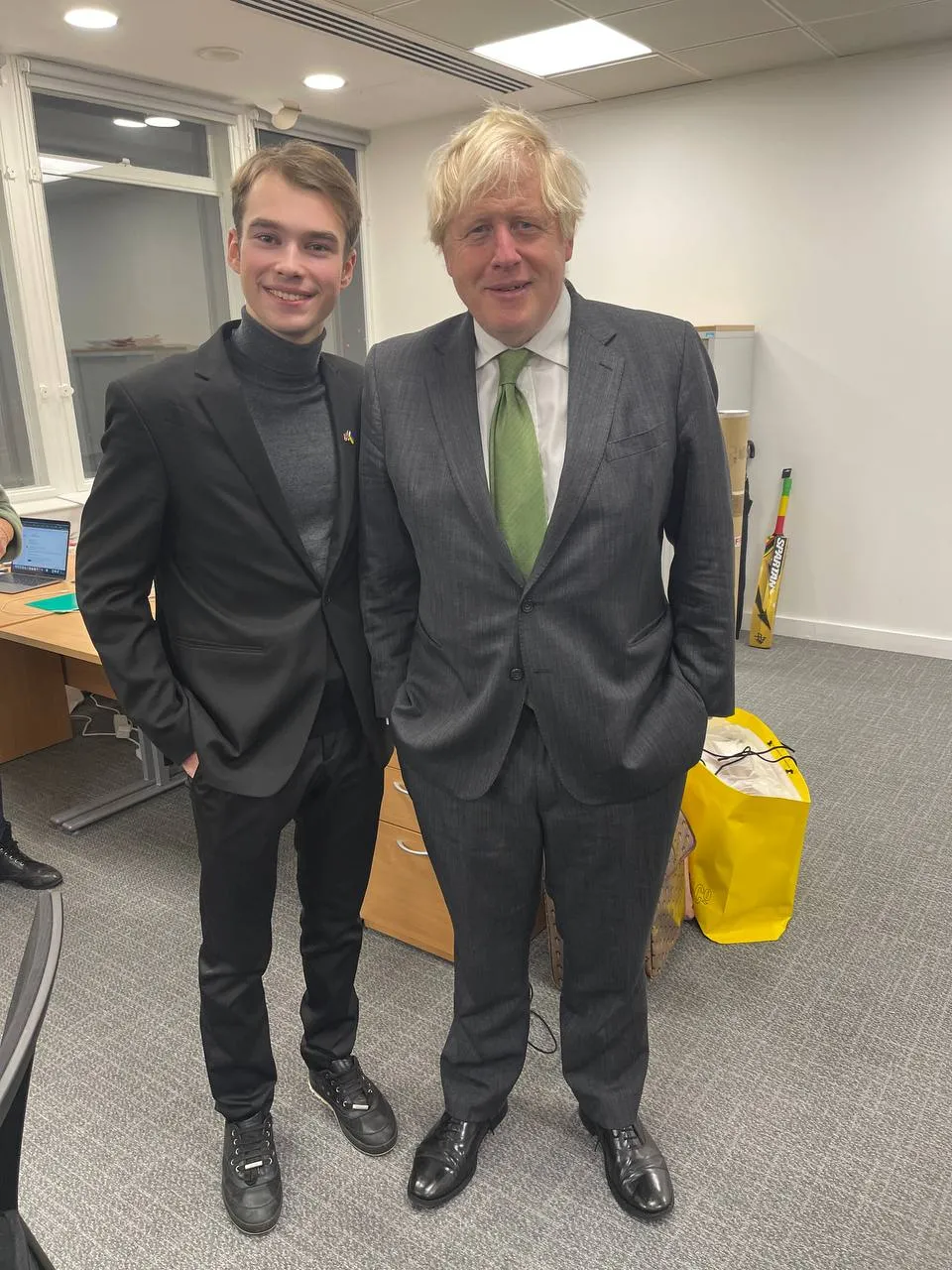
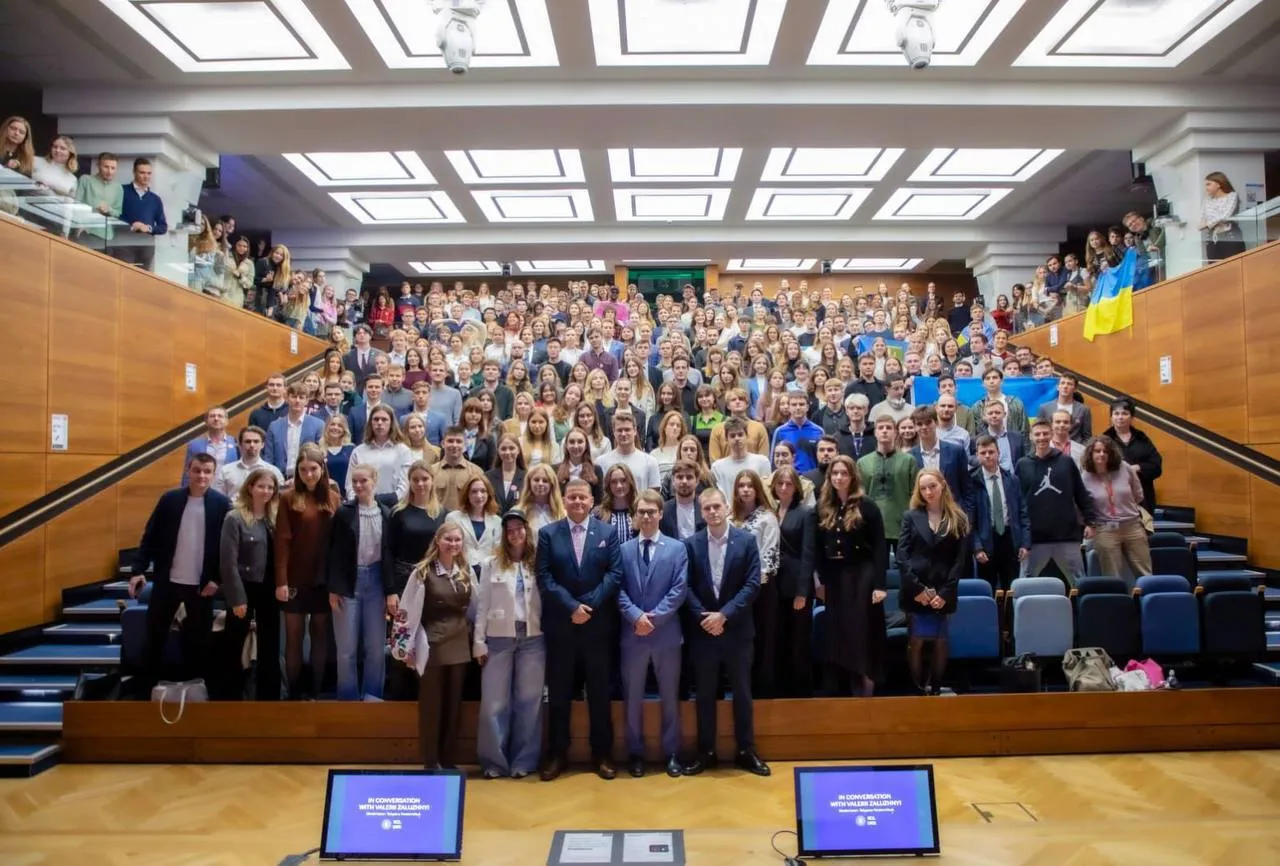
Today, USU brings together 56 universities across the United Kingdom. We cover almost all regions, including Northern Ireland. It is a community of around 2,000 students and alumni in the UK alone. We also have partners in the Netherlands, the Republic of Ireland, Italy, France, the United States, Luxembourg, and, of course, in Ukraine itself.
We operate as an “umbrella organisation”: each chapter is autonomous, with its own team of patriotic and talented students, while we serve as a coordinating platform that addresses large-scale issues and launches global programmes.
For me, this is first and foremost an investment in Ukraine’s young potential. It is a system in which a Ukrainian student does not feel alone or weaker than their competitors — whether British or Chinese. It is about building strong institutions beyond our borders and then bringing that experience back home.
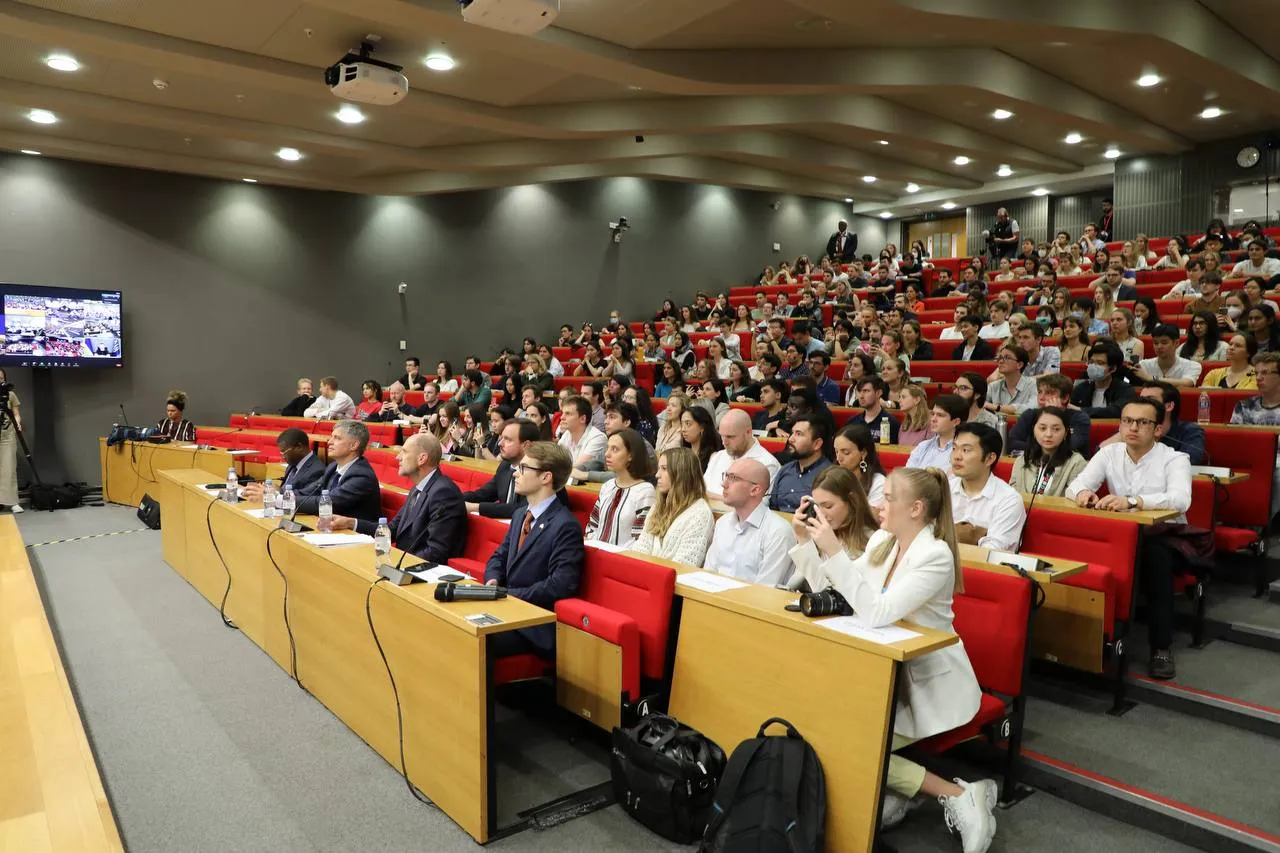

Shaping Ukraine’s future: internships at the European Parliament and Private Track programmes
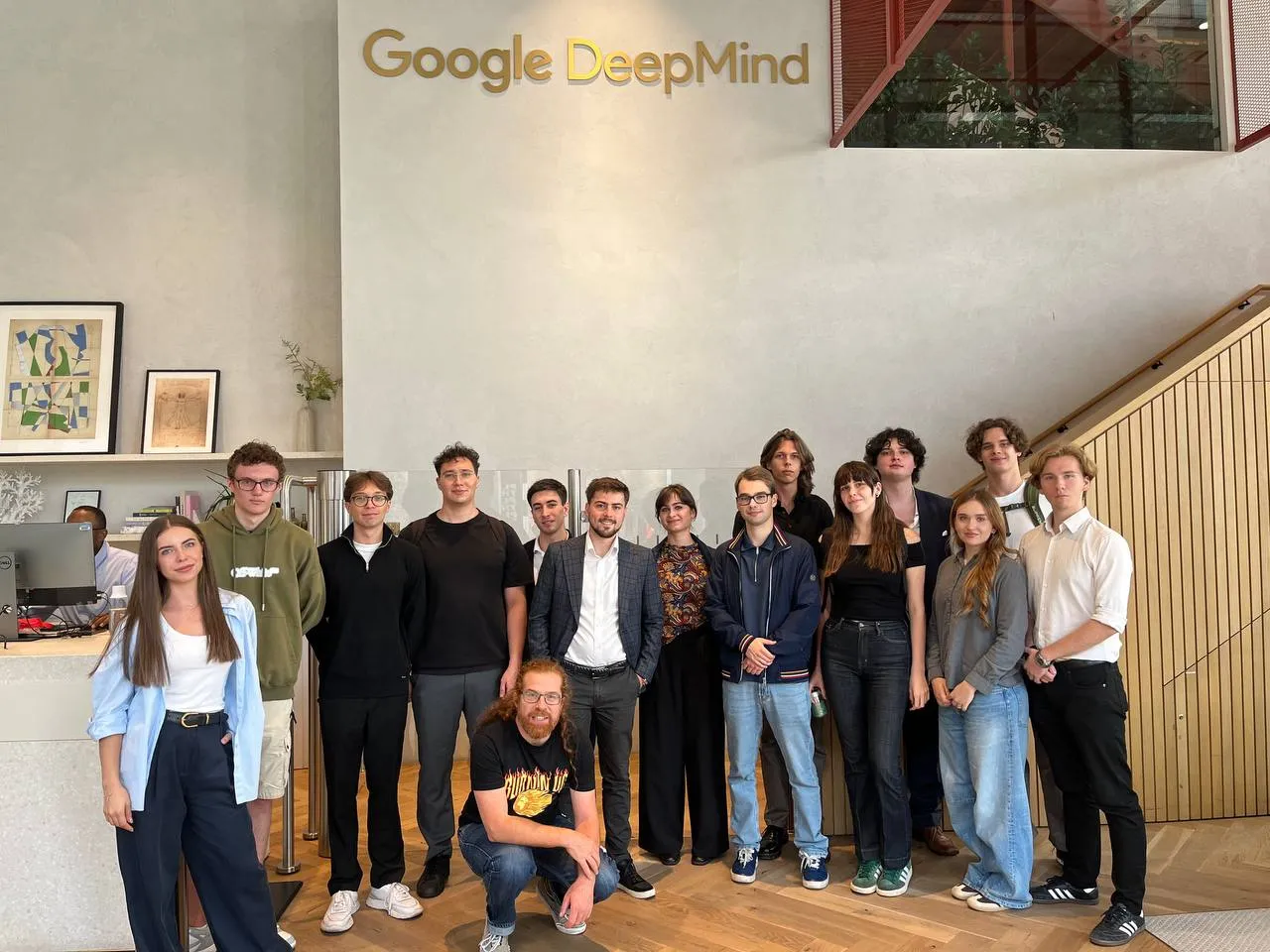
We are not an HR agency, but our flagship programme offers internships within EU institutions — including the European Parliament, the Council of Europe, the Italian Senate, and other similar bodies across Europe. We have also organised placements in the UK Parliament and are currently developing opportunities with the US Senate in Washington.
A separate strand of our work is the Private Track — partnerships with global leaders such as Deloitte, IBM, and BCG. For example, one project with BCG involved 50 of our students paired with 50 top executives and business owners from across Europe in a one-to-one mentorship format. My own mentor, for instance, was the managing director of a major chemical plant. Professionals like this take our students under their wing, explain how business works, and help them become “ideal applicants” for leading global banks and institutions.
Mission: investing in youth who will return to Ukraine
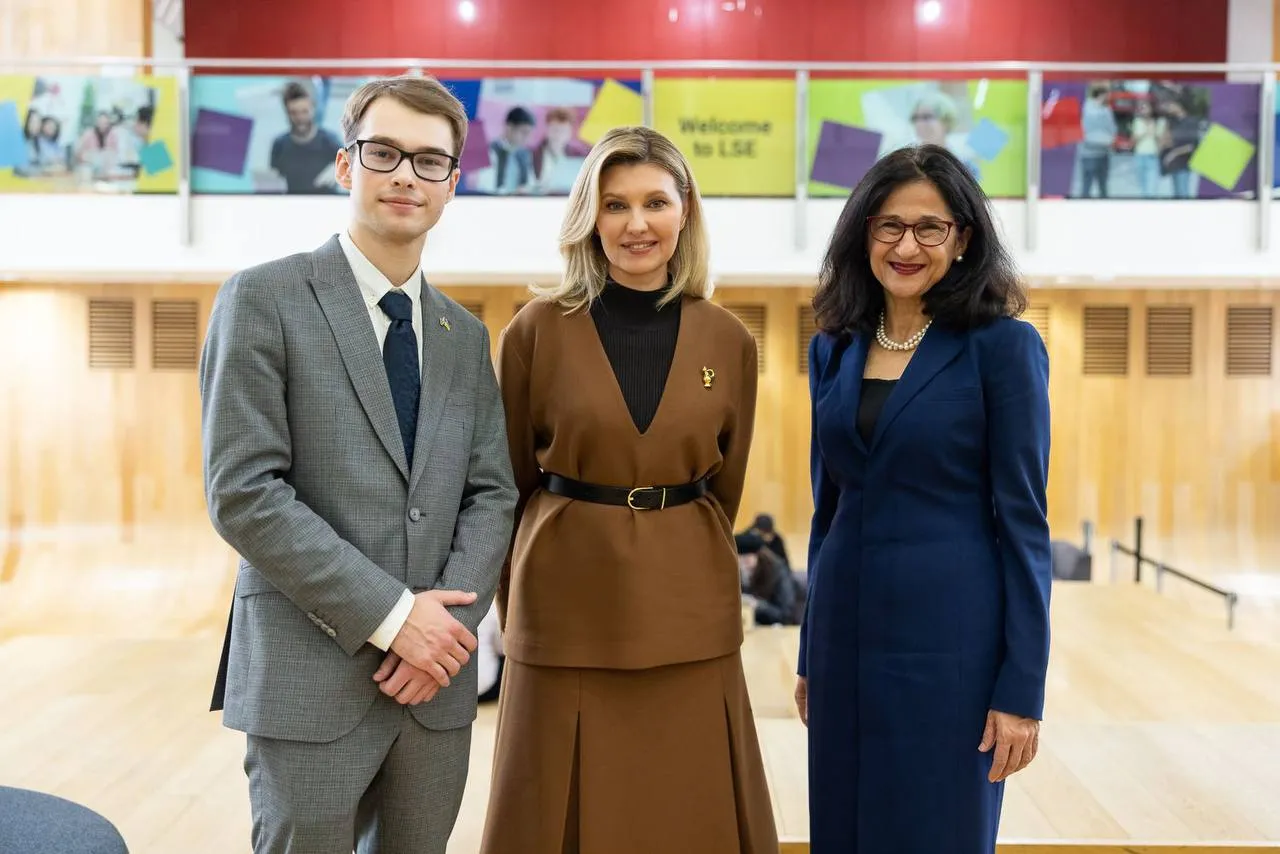
Our goal is to strengthen Ukraine’s potential through its young people. In the UK, competition is fierce, and simply being “just Ukrainian” is not enough. We provide our students with the tools they need to become top specialists. Importantly, this is not a pathway to leaving the country — most of our interns return to Ukraine after their programmes in Europe. They are already working as advisors to MPs, junior specialists in government bodies, or in embassies. We want students coming here to feel supported, not isolated among British or Chinese peers, and to have real choices within a strong community.
On Funding: “None of our team members receives a salary”
The organisation is completely independent. We are not a government body, although we actively collaborate with the Ministry of Foreign Affairs, the Ministry of Education, and the Embassy. Mr. Zaluzhnyi frequently records messages for us and supports active students. Mr. Vadym Prystaiko, the ambassador who has backed our work from the very beginning, deserves special recognition, as do the diplomats who helped us get started.
However, we deliberately maintain neutrality so that USU can serve as a civic oversight body in the future.
Financially, USU relies on private businesses. We pool sponsorship funds together, with a strict rule: sponsors do not know exactly how their money is spent — whether on a reception or an intern stipend. This eliminates any risk of lobbying. No member of our team, including myself, receives a salary. Often, we even contribute our own resources because we strongly believe in the mission.
“BuddyUp” Ukrainian-Style: why graduates come back
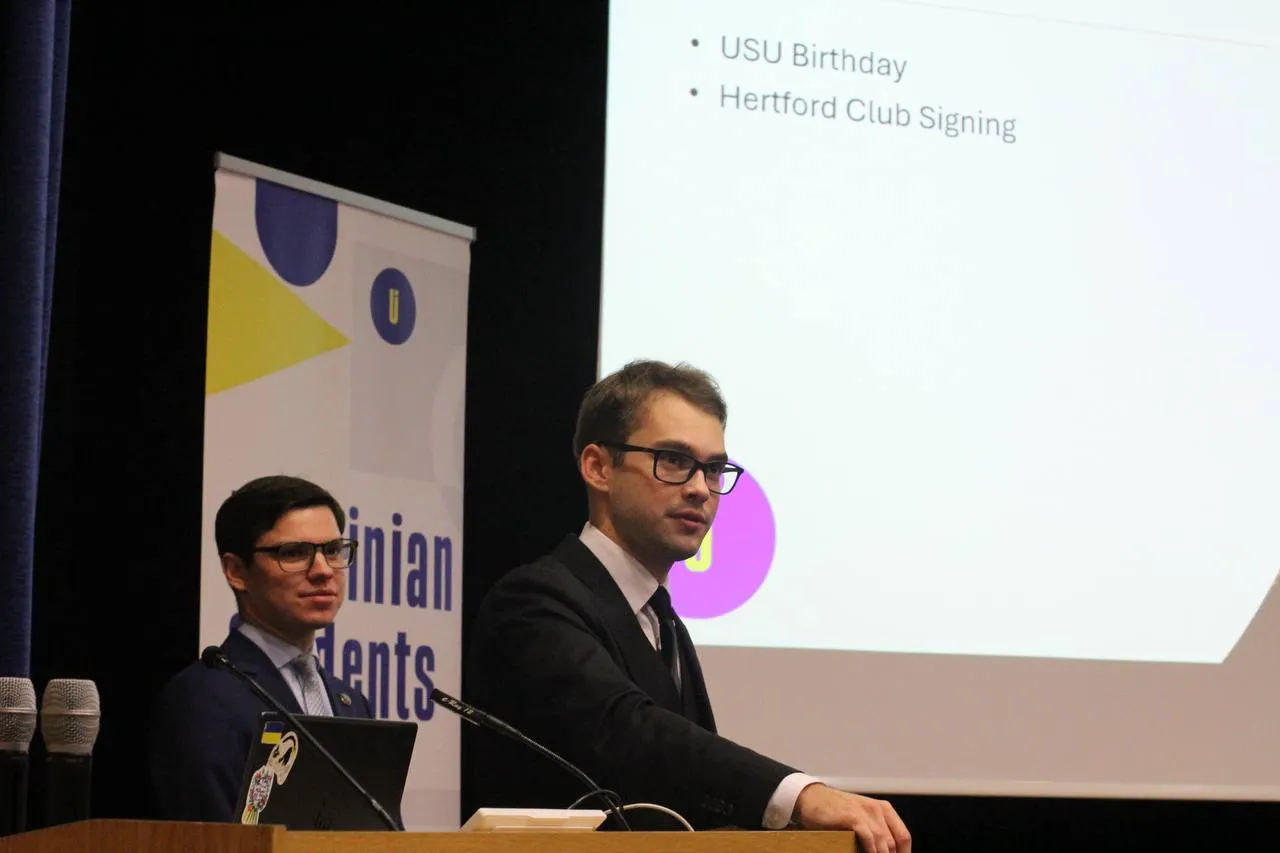
We consider every Ukrainian between 18 and 28 studying abroad who shares our vision to be part of our community. But unity is more than just a patriotic slogan. To keep 2,000 people engaged over four years, you need to offer real value. In the UK, there is a BuddyUp system, where older students help younger ones. We have implemented a similar approach. If you were a first-year student and received help with your résumé or housing, by your third year—or once you’re working at a bank—you return to USU as a mentor. We already have our own alumni pool, leading departments in major companies, who now come back to us: “I was once a student here, now I want to take your students for internships.”
International Division: From London to Paris
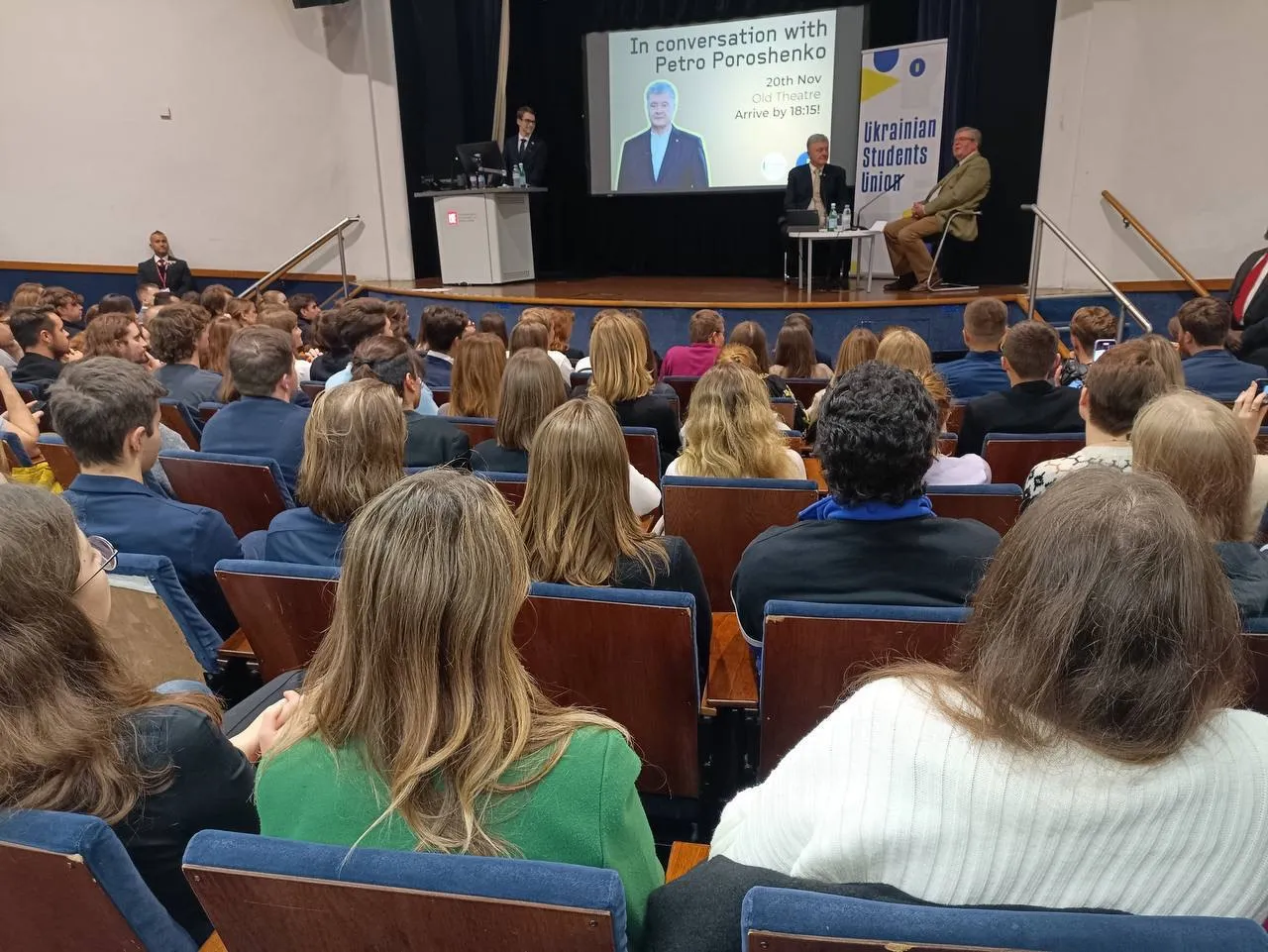
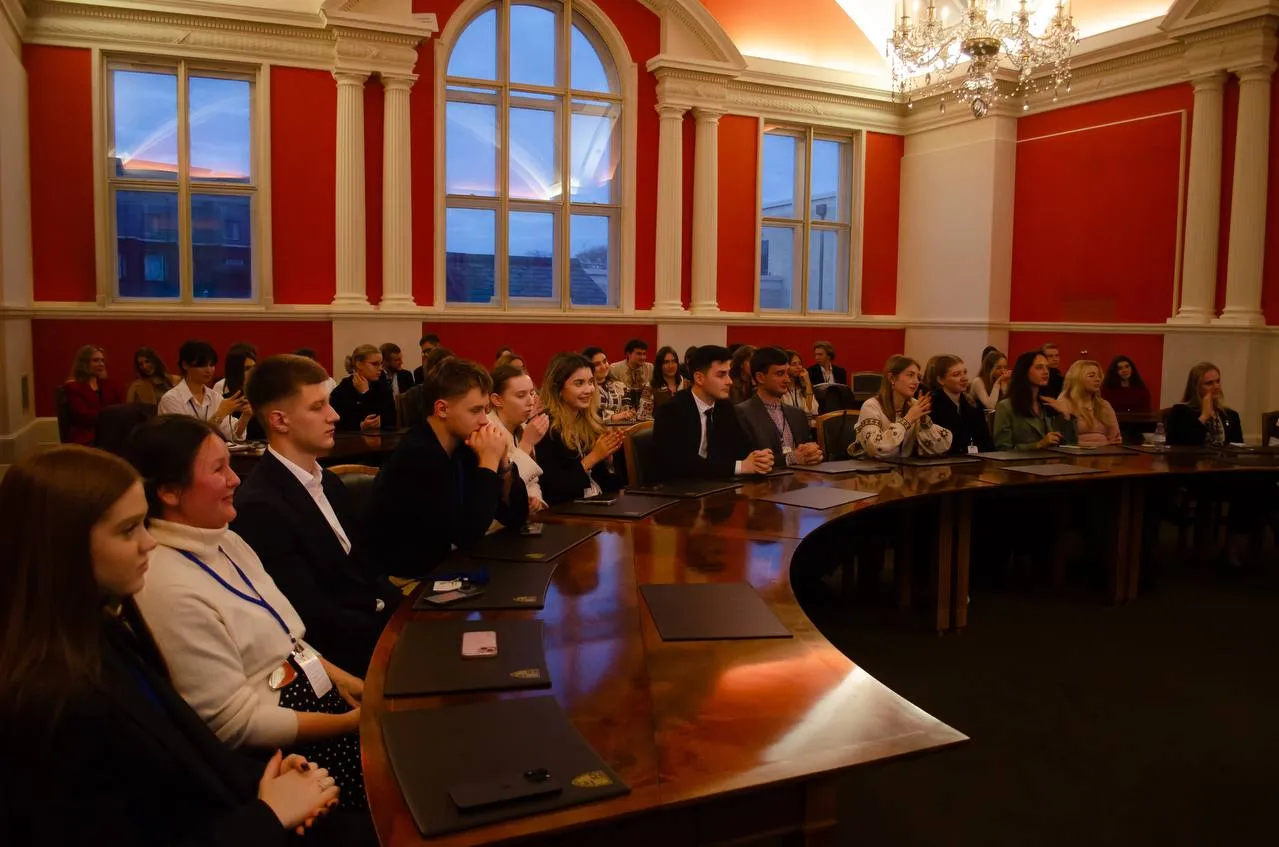
USU is not limited to the UK. We recently signed a memorandum with a similar organisation in France — adding 20 universities and over 1,000 students. Altogether, we are present in seven European countries. Our total network now includes around 4,000 people. We help our European colleagues leverage our name and experience so they can invite top speakers, from Zelensky and Poroshenko to British lords and military officials. We work through events — from lectures to formal dinners. One standout example this year was in Cambridge, where we organised the first large-scale Ukrainian dinner at one of the colleges: a three-course meal, guests in evening gowns and tuxedos, and a menu featuring borscht and stuffed cabbage — something Cambridge had likely never prepared before. This approach works best in academic settings, where such traditions help showcase Ukraine’s presence and influence.
War and USU’s Activities
The full-scale invasion became a turning point for our organisation. Before 2022, we were largely a student interest club; after the invasion, we transformed into a powerful support hub. Our entire network mobilised to advocate for Ukraine, strengthening ties with the Embassy and the Ministry of Foreign Affairs. Importantly, despite the war, we did not become merely a charity — we remained an educational and career hub, preparing talent for Ukraine’s reconstruction.
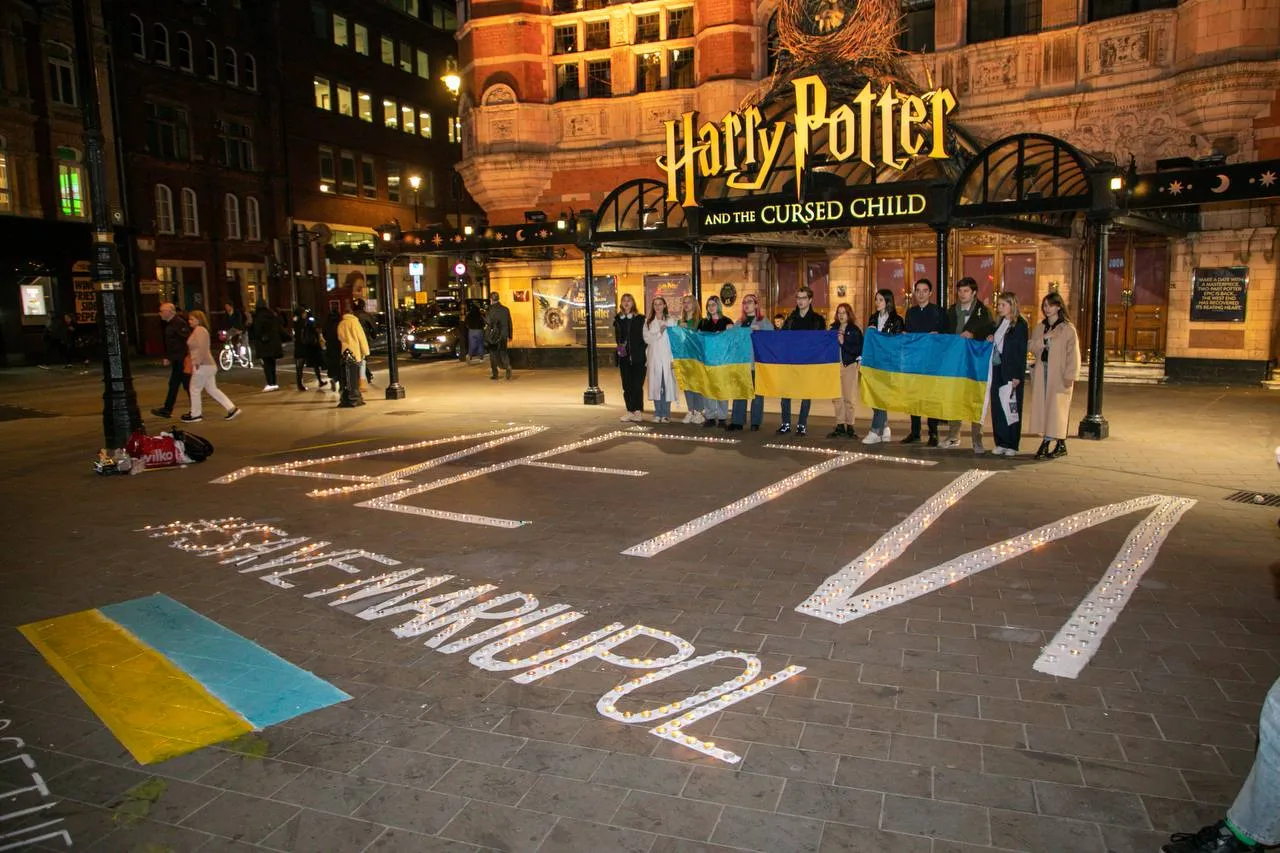
By creating opportunities for Ukrainian youth to compete on a global scale, the organisation helps lay the foundation for a meaningful renewal of Ukraine’s human capital. Today, USU is a prime example of how student self-organisation can evolve into a resilient institution with international influence. At the same time, it reminds us that strong communities often begin with the initiative of just a few individuals.


