
This is the daily reality for the mayor: organizing the work of municipal services after nighttime airstrikes, arranging for new shelters, negotiating international aid, and at the same time preparing the city for winter.
In Samara, rescue workers were still on the scene after yet another Russian strike on the “Nova Poshta” terminal. City Mayor Serhiy Reznik was already addressing other issues facing the city. In this frontline community, this has long been part of daily life. At the same time, the mayor himself has to go to court to prove his innocence in a criminal case that he himself calls fabricated.
We talked about how to run a city when the war leaves no time for a break or for mistakes. We discussed life in the city under shelling, the work of local authorities, and the fight to defend his reputation. We also discussed what matters most to the mayor—how to convince people to stay home in Samara—and here is Serhiy Reznik speaking directly.
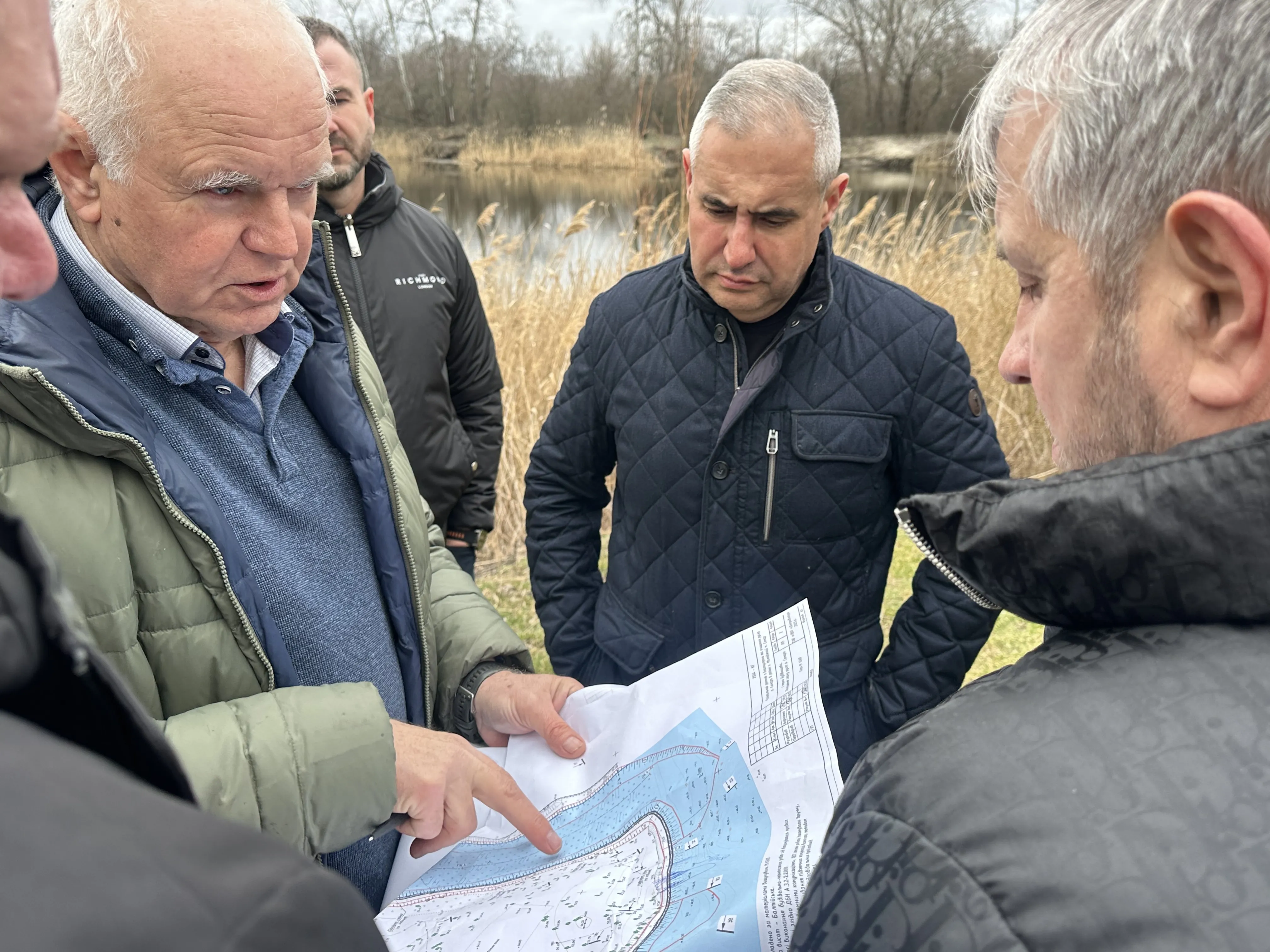
On the consequences of the shelling, the city’s defense, and the municipal budget
We had a direct hit on a facility—late in the evening, the “Nova Poshta” terminal was struck. Our rescue teams rushed to the scene to put out the fire. We’re currently conducting a detailed assessment of all the consequences of this attack on the facility, but most importantly—thank God—there are no fatalities or injuries at this time.
Overall, in the fifth year of the full-scale invasion, as a civilian authority, we are responsible for matters within our jurisdiction, but we are often forced to go beyond these direct functions. We have established close cooperation with military units and are assisting in the creation and support of forces engaged in air defense, including those directly protecting our city. Of course, I cannot disclose the details, but this work is being carried out systematically. This primarily concerns protection against conventional “shahids”—not rocket-propelled ones, but those that swarm into our region’s territory every day. Of course, it cannot be said that we have our own separate city air defense system operating independently—that is impossible. It functions exclusively as part of the overall Ukrainian Defense Forces, which counter threats from the sky.
At the same time, we continue to expand our network of protective structures. Currently, these are the most basic shelters, but we recently received a grant from the state budget to build two anti-radiation shelters (ARS). It would simply be beyond our city’s budget to carry out such projects on our own. That is why we are very grateful to the central government and the Cabinet of Ministers for allocating these funds. Work is being carried out at two of our high schools, and I believe that by the end of this year we will have fully completed the construction of both of these large anti-radiation shelters.
As for the city budget, the situation is actually quite difficult right now. Central authorities are placing more and more responsibilities and functions on local governments, while the actual funds and sources of revenue available to us are dwindling. Despite this, we are constantly seeking opportunities not only to survive during the war but also to find room for development. To achieve this, we sometimes have to resort to unconventional methods, including tools such as loans.
On loans, preparing for winter, and integrating displaced persons
We turn to state-owned banks and take out loans. In fact, we’ve done this four times already—we have a good credit history. If we were to rely solely on the city budget, we simply wouldn’t be able to accomplish the tasks that people are asking of us today. After all, even during the war, residents want decent living conditions, which is why we actively support the utilities sector. A significant amount of money is allocated to getting through the heating seasons. We are currently preparing for another winter and believe it will be very difficult. It’s not that previous periods were easy, but this one, in my view, could be even more challenging. That’s why we’re working with international partners and private investors to install cogeneration plants throughout the city, and this collaboration is already yielding tangible results.
In addition, we are actively collaborating with businesses and charitable foundations to improve the city’s public spaces. We recently had a wonderful example of this: without spending a single hryvnia from the budget, we were able to completely renovate the city beach—as part of a park that has become a favorite leisure spot for residents—thanks to the funds we raised. This is extremely important, as more than 10,000 displaced persons have joined our community during the war. People were forced to leave their homes, and our task is to help them fully integrate. Among them are many children who have already enrolled in our schools. In general, thanks to the systematic expansion of our network of protective structures, most of our educational institutions are operating in a hybrid or fully in-person format. We are also gradually reopening kindergartens—half of the ten are already operational, which fully meets the current needs of city residents. Of course, not all parents are ready to send their preschoolers to school due to safety concerns, or they have someone to leave their child with at home. City management is an extremely multifaceted system, where every area requires daily attention and balanced decisions.
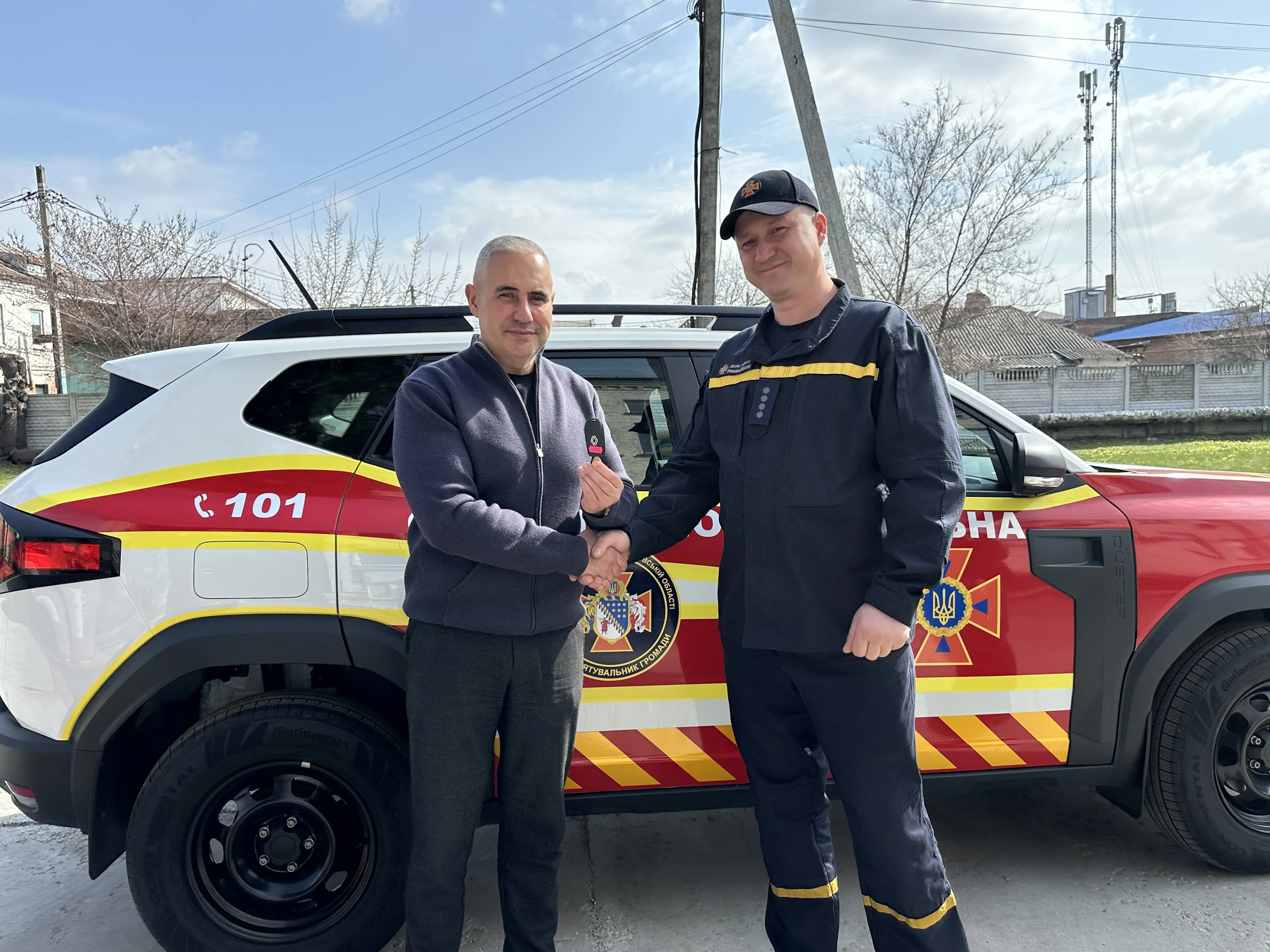
On War Expenses, Business Relocation, and Competition for Talent
Since the start of the full-scale invasion, the city has spent approximately 300 million hryvnias on needs directly related to the war. In peacetime, these funds would have gone toward urban improvements, road repairs, and sidewalk maintenance—that is, the basic tasks that local authorities were responsible for in the pre-war period. War brings its own complex challenges, especially during such anxious times as our city has been experiencing in recent days. After all, just before this, we also suffered an airstrike that damaged Ukrzaliznytsia’s rolling stock.
As for businesses relocating out of the city, that’s not even up for discussion. Of course, the final decision always rests with the business owners, but we’re doing everything we can to show that there’s no need for that—we’re holding our own quite well. Instead, we’re seeing the opposite trend: several businesses from other regions have relocated here. Filling the community’s budget is critically important, because without a functioning economy, it’s impossible to sustain social services and fulfill other functions of local self-government. Today, we are fully coping with these challenges and are even trying to invest in future development, particularly in sports and culture.
Right now, all communities are essentially competing for residents. If there are no people, then who are we building for? All the infrastructure and the work of the government will simply lose its meaning. We want children to have places to play sports and spend their free time productively, so we’re focusing a lot of attention on parks, public squares, and the development of the city beach. We’re actively involving the business community in this work, as they help us purchase and install playgrounds and sports facilities. If the younger generation has nothing to do, they’ll leave, but we’re committed to creating opportunities for them right here. For example, about two thousand children are currently participating in various clubs and groups at our Palace of Culture. We completely renovated this facility and reopened it in 2021 after two years of inactivity. I am very proud that we were able to do this, as it is a unique example of a Palace of Culture being transferred from the State Property Fund to our community’s ownership.
On Staff Shortages, Automation, and Assistance from German Partners
Today, the issue of staffing and labor shortages is a pressing concern for absolutely everyone. This is a huge problem not only for the city’s municipal sector but also for private businesses and entrepreneurs. However, we have more or less resolved this challenge thanks to our focus on automation, machinery, and modern technology. Our city, to put it mildly, is not very small, so it is simply impossible to clean and maintain it properly using only manual labor. That is precisely why we began—and continue—to work toward expanding our fleet of municipal equipment. This process is making significant progress thanks to close and very successful cooperation with our German partner cities and various German charitable organizations. To date, we have already received various types of specialized equipment from them free of charge, with a total value of approximately 500 thousand euros. This is a major boost for our vehicle fleet, which operates daily on the community’s streets. However, this remains a pressing issue—the city still needs new equipment to improve the efficiency of all its operations.
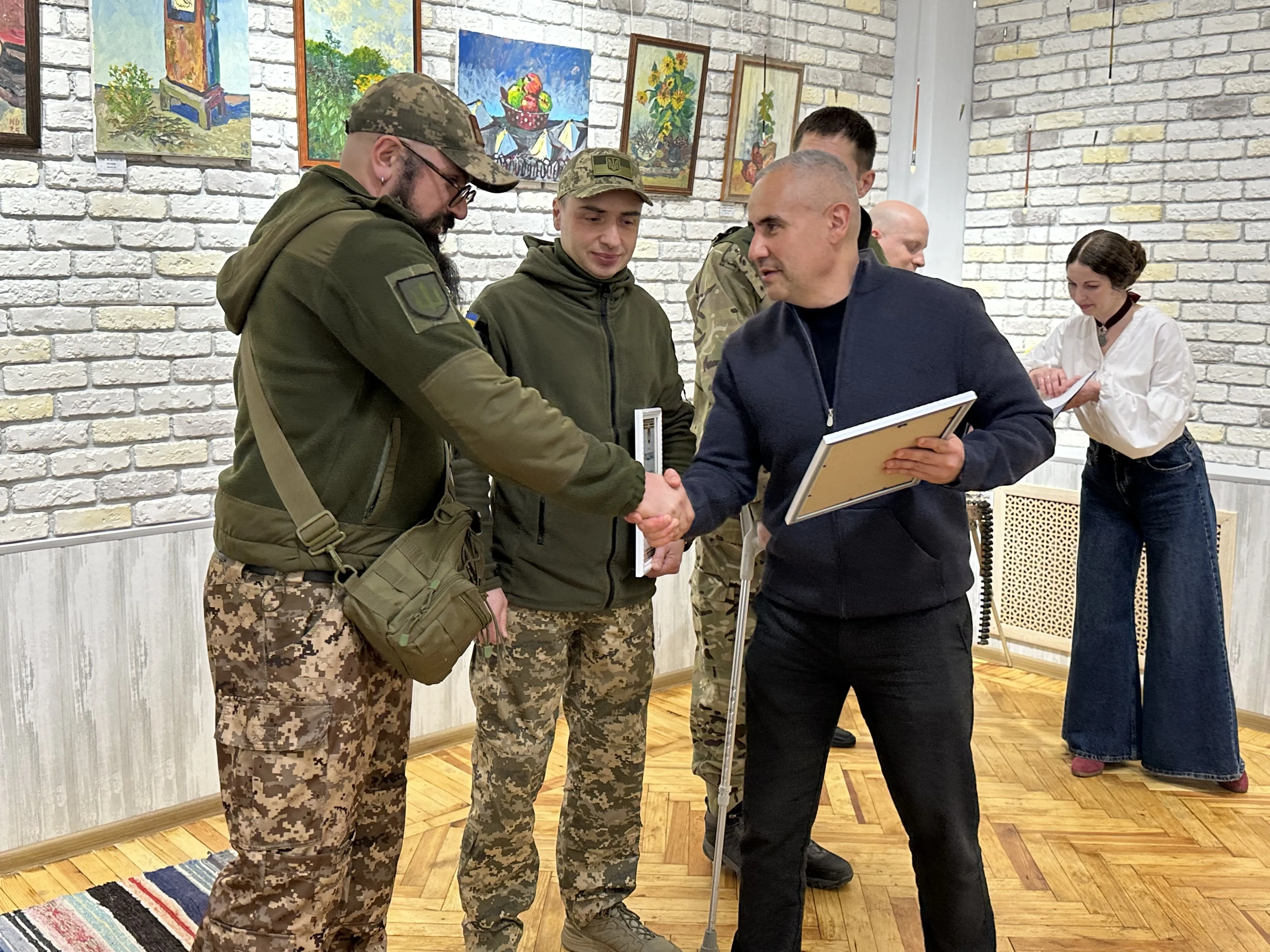
On leadership experience, complex challenges, and personal changes during the war
I took the mayoral oath on November 18, following the 2020 election. Even if I had known in advance that I would be leading the city during such a difficult time for the country, I would still have run for office. I am absolutely confident in this decision, because I clearly understand our city’s potential and have a detailed grasp of everything that’s happening here. My colleagues sometimes say that I’m the kind of leader who knows exactly where every little stone lies. And that’s true, because you need to have a thorough grasp of city operations—to know exactly how many valves we have in the networks and what the actual situation is with water supply or sewage. Municipal administration is a massive operation, where the mayor must be a good manager. Of course, I would never take on a purely military matter or a defense issue, since I’m not an expert in that field. However, I have a thorough understanding of local self-government: since 2002, I have served as a representative at various levels, so I’ve gone through a rigorous training process and am well-prepared for the position of mayor. Of course, someone “off the street” might be elected to lead the community, but a lack of experience will ultimately cause the residents themselves to suffer—and there have already been such negative examples in the country. I’m confident that we’re doing a decent job. I understand that no mayor—or indeed any Ukrainian—would want to live and work under wartime conditions, but this is the fate that has befallen us, and we must face these challenges with dignity.
The war has undoubtedly changed me as a leader—first and foremost, I’ve gained a vast amount of knowledge and skills in areas I hadn’t even considered before. In addition, I’ve finally learned to say a firm “no.” It used to be difficult for me, but the realities of wartime dictate their own rules, and now there are many compelling reasons to act decisively. I’ve also started listening to people much more. I can’t say that the war has fundamentally changed my basic personality traits or management practices, but it has certainly provided a wealth of new experience that we’re now ready to share with partners from other communities.
On Partnerships, the First Hours of the Invasion, and the COVID Experience
As early as 2021, we began actively building a network of partner cities, and today we have reliable partners both within our country and abroad, in various corners of the world. We constantly exchange experiences, and our foreign colleagues are genuinely interested in how to effectively manage municipalities and communities amid such a profound crisis. I am convinced that today every community leader in Ukraine has something to share with friends abroad. After all, over the years we have come to understand and master a vast number of things we had never encountered in peacetime.
Looking back at the first day of the full-scale invasion, we held an emergency meeting with our deputies within the very first hours and clearly reassigned new responsibilities. Work immediately began in several key areas. The first was defense. That same day, we held meetings with the military and our territorial defense forces. The city began promptly providing everything it had: from heavy municipal equipment, concrete blocks, and materials for fortifications to the production of body armor made from car springs right at our municipal facilities. The second area was social services. We immediately set up shelters and began receiving the first waves of displaced people. Our community became an important hub for people evacuating after brutal shelling or escaping from the occupation. Many were traveling further west in transit, but people needed a place to rest, wash up, and regain their composure. I remember how, in May and June, people arrived wearing nothing but T-shirts and slippers—whatever they had on. We provided them with everything they needed. At the same time, we quickly reorganized the city hospital’s operations and restructured the education system. Our experience with the COVID-19 pandemic was a huge help here—thanks to that, our schools and kindergartens were technically and organizationally ready from the very first days of the invasion to operate seamlessly online. In fact, all sectors of municipal services switched to wartime operations within a matter of hours.
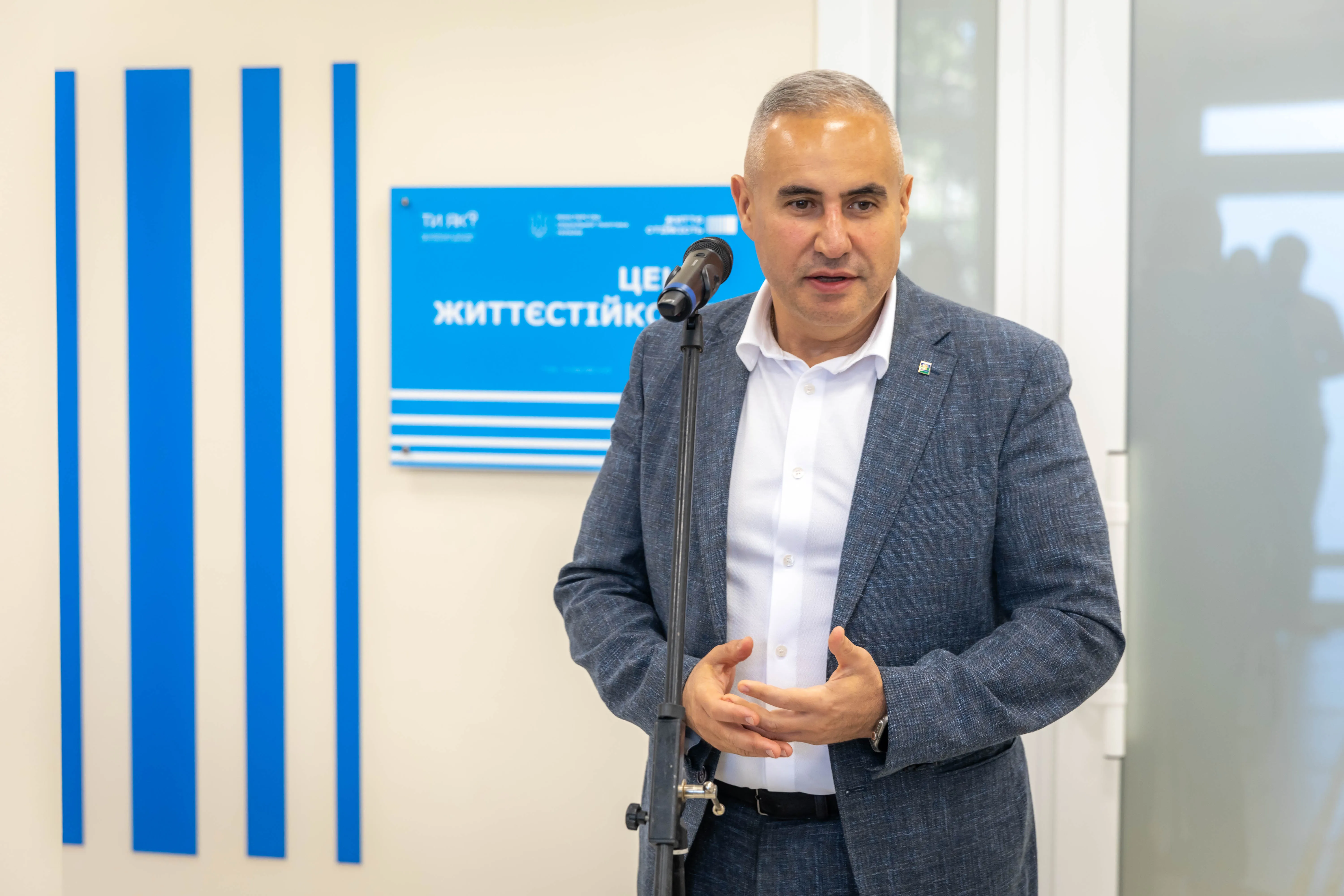
On fabricated criminal cases, law enforcement “traps,” and the absurdity of the charges
There are no awkward or unpleasant questions for me, so I’m ready to speak openly about criminal proceedings. I went through this process myself when I served as director of the Strategic Development Department of the Dnipro City Council. The case in which I was the defendant went through all levels of the court system—the first instance, the appellate court, and the Supreme Court. And in every court, I was found completely innocent. But the law enforcement system here operates in such a way that no one is held accountable for unlawfully bringing charges against someone. I have all the acquittal verdicts in my possession, but not a single prosecutor or investigator who artificially fabricated this case has been punished. Moreover, I know the whole story from the beginning: I know who ordered it and even know how much he paid. At the time, he was a sitting member of parliament from the ruling party who, using his administrative resources, decided to “take me out” because, for some reason, he saw me as a rival in the elections to the Verkhovna Rada—even though I had no intention of running at all. In the end, I spent eight years of my life proving my innocence.
And just as I proved it, a new case immediately arose, one that continues to this day. The charge is very serious—corruption, allegedly accepting a bribe. But the paradox is that there is no bribe itself, no conversations I had about it, and not a single signed document. Absolutely nothing! The entire accusation is based solely on conversations among third parties—council staff members who gathered somewhere, discussed something, and referred to me, asking one another: “Is the mayor in the loop? Did the mayor give the go-ahead?” As a lawyer, I asked directly during the investigation: Do you think that’s enough? They should have at least waited for someone to bring me those “one hundred dollars” so that I could sign some kind of document. Moreover, the complainant filed a complaint against me alleging extortion on February 22, 2024, even though our first, chance, and only conversation in the city council secretary’s office took place only on March 15, 2024. In other words, at the time the complaint was filed, there had been no contact or phone calls whatsoever. The State Bureau of Investigation (DBR) opened the case; the complaint was brought to some unmarked office without a sign in an ordinary administrative building, and criminal proceedings were initiated exactly one hour after it was signed. The complainant, by the way, belongs to the category of “professional complainants,” whom certain agencies keep on the hook to churn out fabricated cases. I know that a similar case involving Mr. Orlov (former deputy head of the Dnipropetrovsk Regional State Administration—ed.) is currently being heard on appeal, and I’m closely following his posts on social media. The trial court handled that case objectively; we’ll see what happens on appeal.
This entire law enforcement system needs a radical overhaul. It’s all a chain of the same events: fabricated cases are created simply to meet quotas or on demand, because they need high-profile cases against mayors or top officials. And they don’t care how it all ends or that a person loses up to ten years of their life in court. I spoke frankly with these law enforcement officials, telling them that I would prove my innocence anyway. Do you know what they replied? “Who knows where we’ll be in five years. The main thing for us right now is to make a plan.” They’ve now received their bonuses and new promotions, but where is the objective side of the case? In any country governed by the rule of law, a case like this wouldn’t even have made it to trial. What’s my role here if people were just talking among themselves? If I had participated in those conversations or taken anything—that would have been a crime—but that didn’t happen. When I talk to fellow mayors, I find out that almost every one of them has several criminal cases pending—whether for the sake of reporting or just to keep them on a leash. The case is currently being heard in our local court, and we’re moving on to questioning the key witness—the complainant. But for over half a year now, they haven’t been able to bring him to the hearing. He simply doesn’t want to come because he knows I have two hundred direct questions for him, and he’ll get tripped up in his testimony right from the first questioning. At first, I thought my situation was unique, but after talking with colleagues, I realized that this is a systemic problem that definitely shouldn’t exist in a normal country.
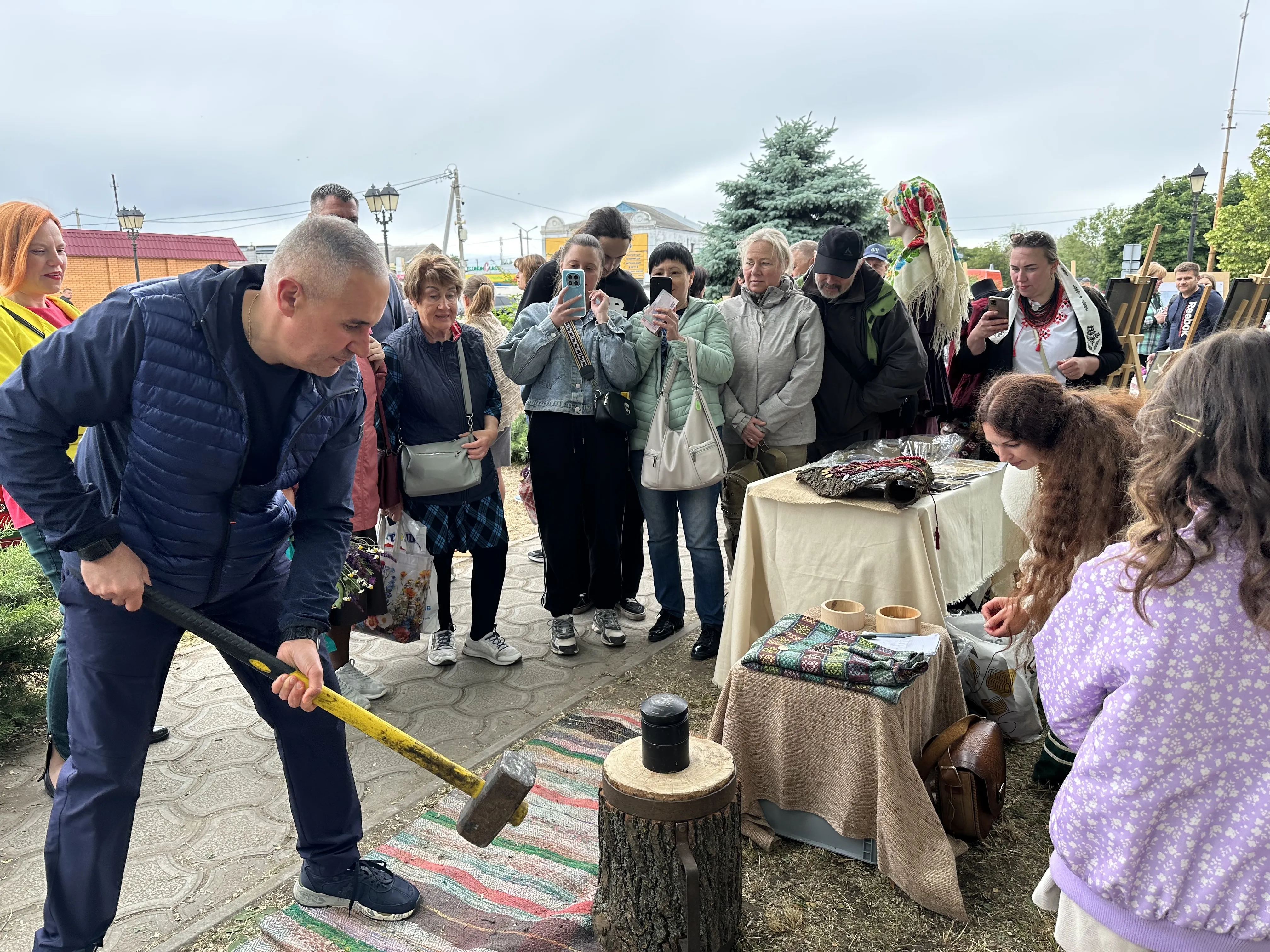
On the mayor’s inner resilience and protecting his reputation
To say that this situation is complicated is an understatement—it’s as complicated as it gets. However, I don’t have any special formula for resilience. What keeps me going is the support of my family and friends, and an absolute inner conviction that I’m in the right. I’m one of those people who simply couldn’t feel right if I knew that, excuse my language, I’d “screwed up” somewhere. In my current work, when I know we’ve done something great—like the renovation of the city beach or other community projects—no one will ever convince me that it’s a bad thing. It’s the same here: I know for sure that I’m right, and I fight as hard as I can. I don’t allow myself to doubt. When you start doubting yourself—it’s as if one layer of your armor is stripped away; you become vulnerable and lose the ability to do your job effectively. And I’m fully aware that if I want to see this through to the end, I have to take care of my mental health and emotional well-being. Otherwise, I simply won’t be able to handle it. I’ll stay the course. My main task is to do everything I can to ensure the city thrives and develops, while simultaneously resolving my personal legal issues.
Of course, in terms of my reputation, going through all this is extremely difficult, since I’ve been smeared across the entire country. Among my colleagues or people who are generally interested in politics, there’s hardly anyone who hasn’t heard about this situation. The courts suspended me from my duties for half a year; I was deprived of the opportunity to work for the community. But I believe that once I’ve fully navigated this phase and proven my innocence, I will certainly return to the issue of holding those who fabricated all of this accountable. Everyone who has unlawfully brought charges against people and abused their rank or high status for the sake of fabricated cases must face the severe punishment they deserve. This is my principled stance.




