
Gardener's Calendar for July 27–August 2: Care, Fertilization, and Replanting
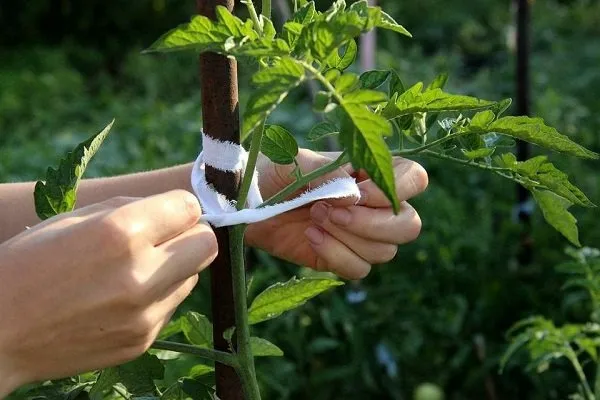
Late July and early August mark the most critical phase of the summer gardening season. It is during this period that the fate of not only the current harvest but also the duration of fruiting for many crops until the first autumn frosts is determined. Several important factors coincide at this time: the mass harvest of vegetables, the risk of fungal diseases spreading due to nighttime dew and high daytime temperatures, and the need to prepare the soil for second summer plantings. To effectively allocate your time and effort in the garden, it’s important to take a systematic approach to each vegetable crop.
A Detailed Analysis of the Moon Phases and Their Effects
The period from July 27 to August 2 falls entirely within the waxing moon phase. According to biodynamic and lunar calendars, during this time, plant sap and nutrients actively move upward from the root system to the stems, leaves, flowers, and fruits. This is the ideal time to tend to crops whose harvest develops above ground.
July 27–29 (Days of Maximum Activity): The most favorable time for root and foliar fertilization, abundant watering, and planting fast-growing green crops. Any fertilizers applied during these days are absorbed by plants most quickly and effectively.
July 30–August 1 (Harvest and Shaping Days): A period when you should focus on shaping the bushes (pruning, pinching) and mass harvesting for canning or long-term storage. It is believed that fruits harvested at this time have better flavor and are less prone to rotting during storage.
August 2 (Preventive Day): The ideal day for loosening dry soil, removing weeds, adding compost, and applying preventive treatments to plants with biological pesticides.
Comprehensive Care for Major Crops
Solanaceous crops: Tomatoes, peppers, eggplants
By the end of July, nightshades require a major adjustment to their growth, as the plants need to direct all their resources not toward growing new foliage, but toward ripening the fruits that have already formed.
Topping tomatoes: For tall (indeterminate) varieties, be sure to pinch off the tip of the main stem. Above the highest cluster with already set fruits, leave 2–3 leaves and cut off the growing tip. This stops the plant from growing taller.
Removing Leaves and Side Shoots: Continue to regularly remove all new side shoots. For better ventilation and light exposure of the fruit, completely remove the lower leaves up to the first and second productive clusters. This not only accelerates ripening but also serves as the main barrier against the development of late blight.
Fertilization: Avoid any nitrogen-based fertilizers (manure, chicken manure, green manure infusions). The plants need potassium and phosphorus. The ideal option is to fertilize with a wood ash infusion (1 glass of ash per 10 liters of water) or a potassium monophosphate solution (10–15 g per 10 liters of water). This improves the sugar content of tomatoes and peppers, making them juicier and more robust.
Cucurbits: Cucumbers, zucchini, and squash
In mid-summer, cucumbers and zucchini often become depleted due to intense fruiting and high temperatures. Additional measures are needed to extend their growing season into the fall.
Harvesting Frequency: Harvest cucumbers and zucchini daily or every other day at most. Overripe “yellowed” cucumbers and overgrown zucchini inhibit the development of new fruit set and deplete the plant.
Stimulating root formation: For cucumber vines lying on the ground, you can sprinkle the lower part of the stem with moist, fertile soil or compost—this stimulates the formation of additional roots and gives the plant a “second wind.”
Protection against powdery mildew: A white coating on the leaves of cucumbers and zucchini is the first sign of the disease. Since harvesting is ongoing, the use of chemical fungicides is prohibited. Use biological products (Fitosporin, Trichodermin) or a folk remedy: 1 liter of whey or skim milk + 10 drops of iodine per 9 liters of water. Spray the entire surface of the leaves, especially the underside.
Root vegetables, onions, and garlic
The growing season for winter garlic and early seed onions ends in late July.
Harvesting garlic and onions: Signs that they are ready for harvest include yellowing and lodging of the onion leaves and cracking of the skin on the garlic’s control cloves. They should be dug up in dry weather. After digging them up, do not cut the crop immediately; instead, spread it out along with the tops to dry under a shelter for 7–10 days: this allows all the nutrients from the leaves to transfer into the bulbs.
Caring for late carrots and beets: Plantings of late root crops intended for winter storage require mandatory thinning (the distance between plants should be at least 5–7 cm) and loosening of the rows. During this period, they also require potassium fertilization to build mass and increase sugar content.
Summer Replanting and Green Manure
Beds freed up after harvesting garlic, onions, greens, or early potatoes should not be left fallow, as unprotected soil dries out quickly, degrades, and becomes overgrown with weeds.
What to plant for a second harvest:
Salad greens: Dill, spinach, lettuce, arugula, and cilantro. They grow very quickly and will yield fresh greens in just 20–30 days.
Vegetables for the fall table: The period from July 27 to August 2 is the last favorable time to plant black radish, daikon, radishes, and Chinese cabbage. When sown in summer, these crops do not bolt (go to seed) due to the shorter daylight hours in August and produce large, juicy roots and heads.
Green Manure Crops:
If the garden bed is not intended for subsequent vegetable crops, it is sown with green manure crops:
White mustard: It rapidly builds up green mass, disinfects the soil of scab and scab-causing fungi, and repels wireworms.
Phacelia: A versatile green manure that quickly loosens heavy soil and is suitable for absolutely any subsequent crop.
Oats or vetch: Enrich the plot with nitrogen and organic matter.
Watering Rules During the Summer Heat
Irrigation in late July has strict rules, and failure to follow them can lead to widespread plant disease:
Water: Watering should be done exclusively with warm water that has been heated by the sun. Watering with cold water from a well or the municipal water supply causes temperature shock to the root system, leading to fruit drop and root rot.
Time: Watering should be done either early in the morning (before 8:00 a.m.) or in the evening (after 6:00–7:00 p.m.), when the sun is no longer so intense.
Mulching: To retain moisture and prevent the formation of a hard soil crust, be sure to cover the garden beds with a layer of mulch (grass clippings, straw, or well-rotted sawdust). This lowers the soil temperature by 3–5 degrees and protects the roots from overheating.
See also:
The Mushroom Hunter’s Lunar Calendar for July 2026.
Orthodox Calendar for July 2026: Which Holidays and When to Go to Church.
Lunar calendar for July 2026: when the favorable and unfavorable days will be
Lunar Planting Calendar for July 2026: Planning Work on the Plot
Secrets of Perfect Fermentation: The Lunar Calendar for Distillers and Winemakers for July 2026


