
Gardener's Calendar for October 2026: Key Tasks in the Garden and Preparing for Winter
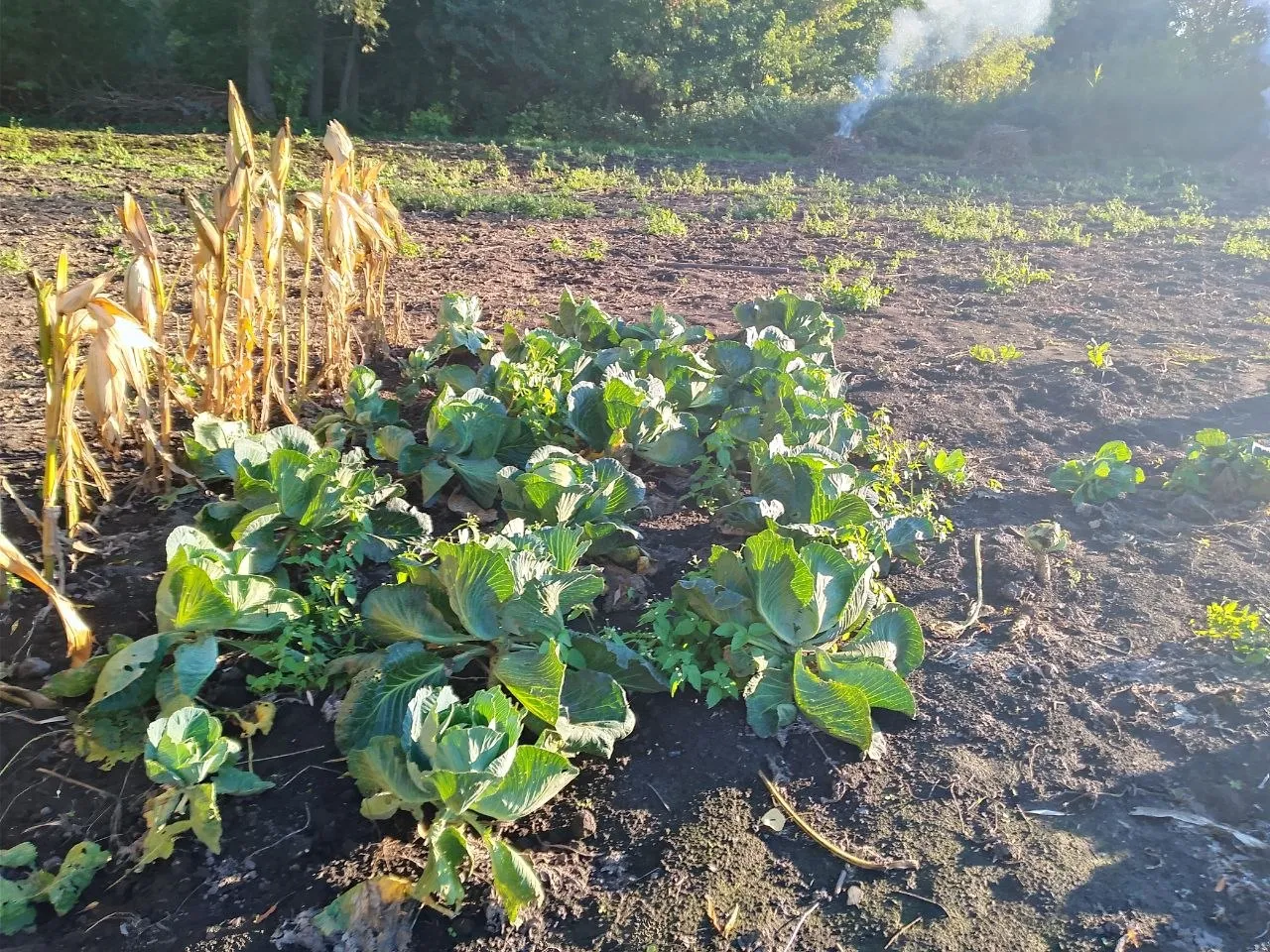
October is the final and one of the most crucial months of the gardening season, when the main focus should be on preparing the garden for winter dormancy. Although the main harvest is already behind us, this is the time to finish clearing away plant debris, tilling the soil, and storing vegetables for long-term preservation. Properly and timely completion of October tasks ensures the soil’s fertility and provides a solid foundation for next spring’s harvest.
Harvesting the Last Crops and Storing Produce
In early October, it is important to finally harvest the remaining late root vegetables, such as carrots, beets, celery, and parsnips, as the first frosts can damage the above-ground parts of the vegetables and reduce their shelf life. Late-maturing varieties of white and red cabbage are also harvested at this time; they tolerate brief drops in temperature well but require dry weather for cutting. All harvested vegetables are carefully sorted, dried in a shaded, well-ventilated room, and stored in cellars or basements under optimal humidity and temperature conditions.
Pre-winter sowing and planting of vegetable crops
The second half of October is considered the best time to plant winter garlic and onion sets, as the cloves and bulbs must take root before the ground freezes but without producing green shoots. In addition, at the end of the month, cold-hardy crops—including carrots, beets, parsley, dill, and spinach—are sown before winter. Seeds are sown in pre-prepared furrows when the topsoil begins to freeze, allowing the seeds to survive until spring and produce very early and robust seedlings with the first warm weather.
Fall Soil Cultivation and Enrichment
After the garden beds have been completely cleared of plant debris, the soil is deeply tilled or plowed without breaking up clods, which promotes better moisture retention and the freezing of pest larvae over the winter. During soil preparation, it is advisable to apply organic fertilizers, such as well-rotted manure or compost, as well as phosphorus-potassium mineral mixtures to restore the nutrient balance. If green manure crops were sown in the garden beds in the fall, they should be mowed and plowed into the soil to improve its structure and increase fertility.
Sanitation Measures and Preparing the Beds for Winter
The final stage of work in the garden is a thorough cleanup of the plot, removing plant debris, diseased plants, and weeds, which are then burned or removed from the garden to prevent the spread of infections. Beds with perennial vegetable crops, as well as fresh early-winter plantings, must be mulched with a layer of peat, compost, dry leaves, or sawdust to protect them from severe frosts. Greenhouses and hotbeds also require sanitization: they are cleaned of soil, and their interior surfaces and frames are disinfected with special solutions to destroy pathogenic microorganisms.




