
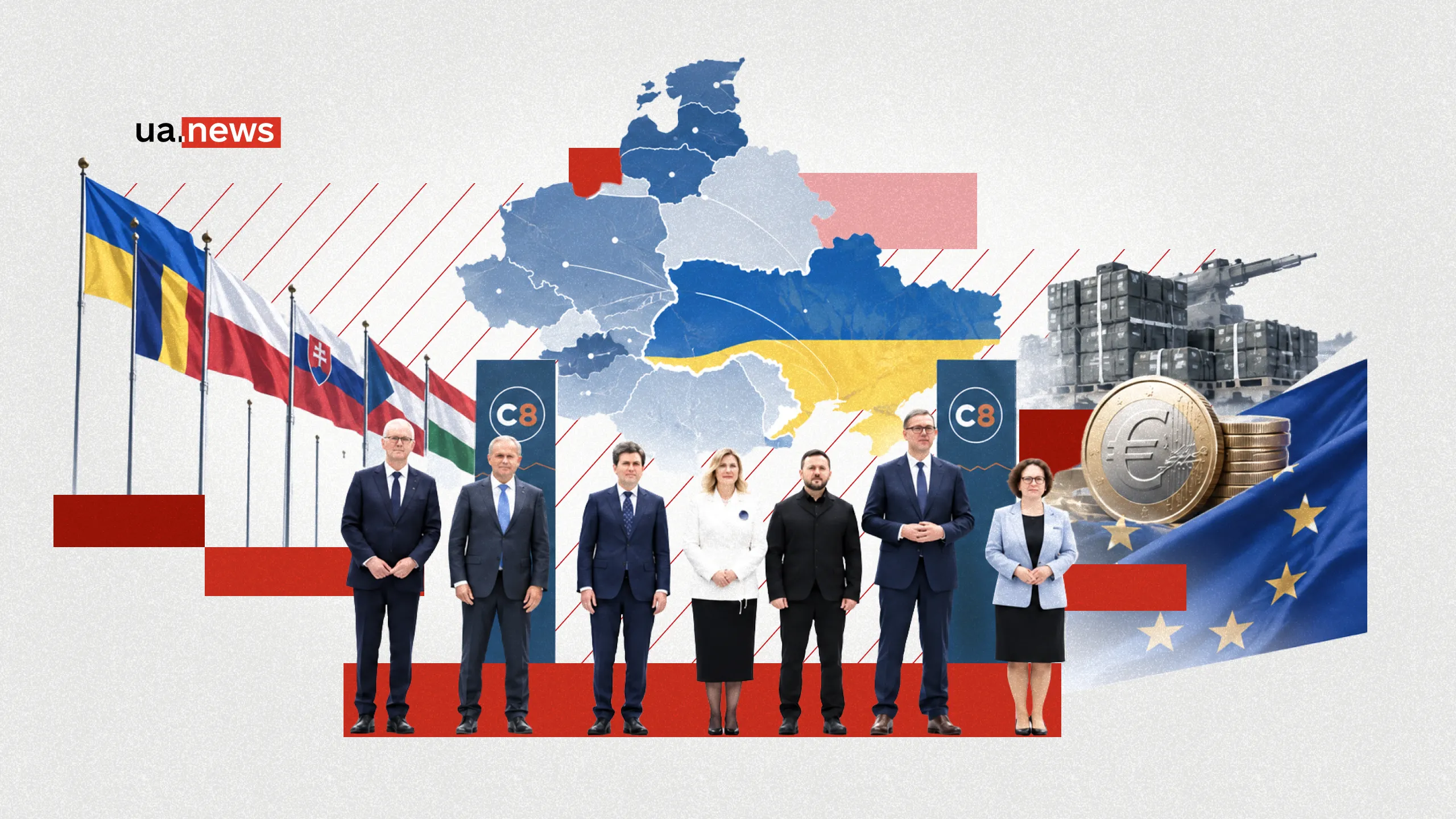
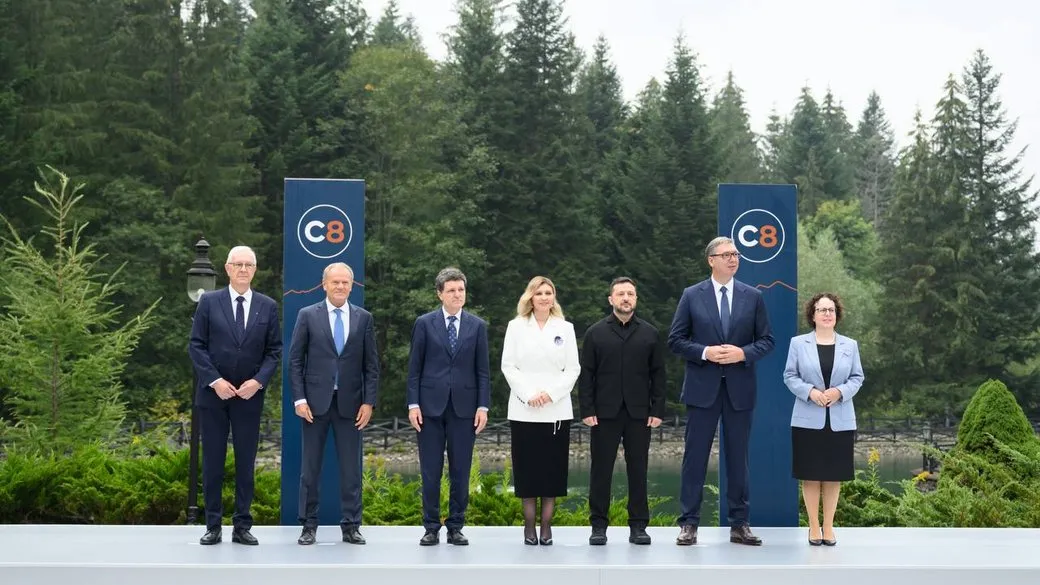
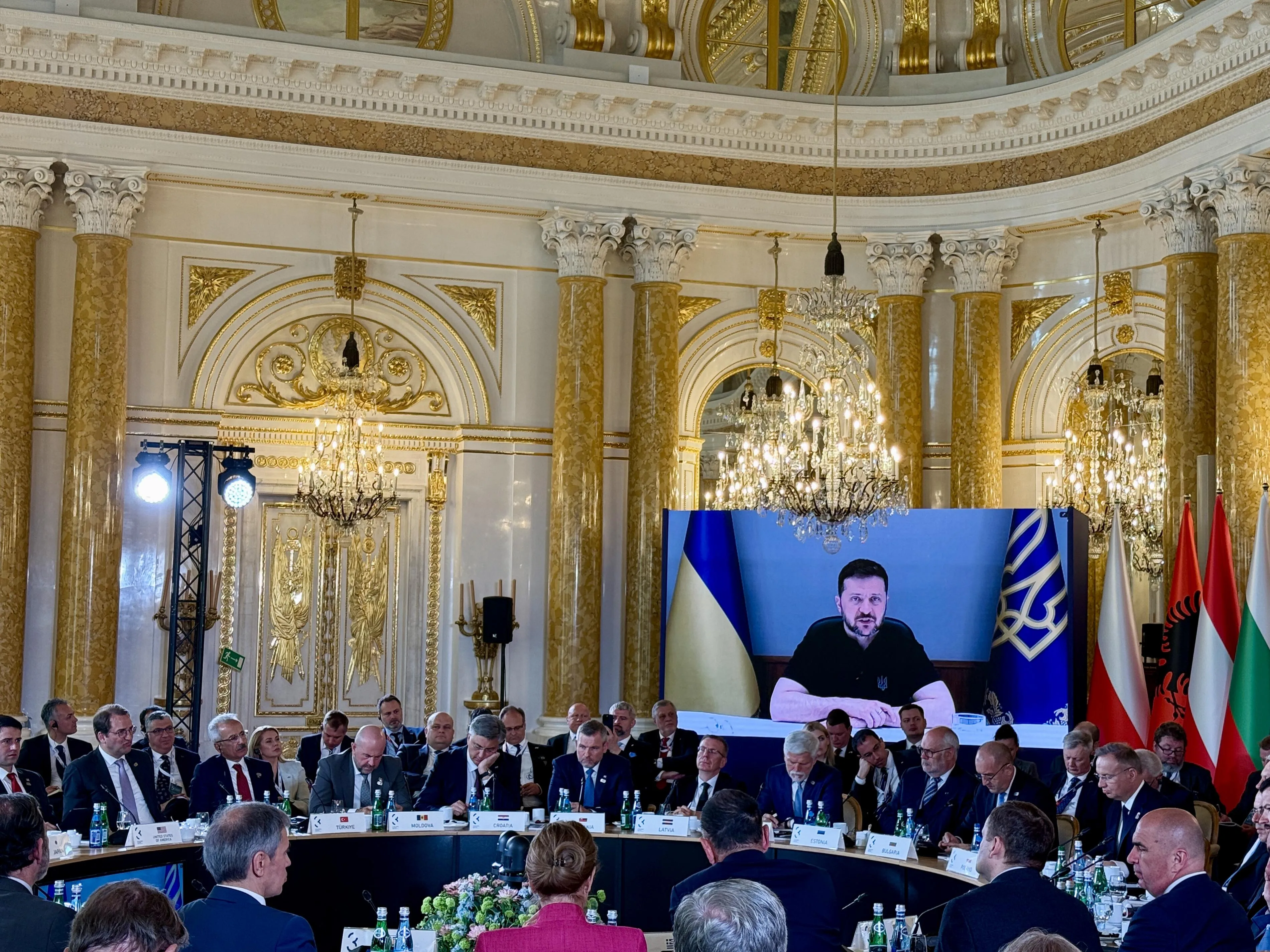
On September 18, President Volodymyr Zelenskyy announced the launch of the “Carpathian Eight” (C8) format, which includes Ukraine, Romania, Serbia, Poland, Slovakia, the Czech Republic, Austria, Hungary, and the European Union. The first summit of this group began that same day in Bukovel. And it wasn’t without controversy—nearly the entire government and a large number of members of parliament traveled to the city, which Ukrainians associate with an expensive resort, instead of voting on decisions critical to the state budget.
Be that as it may, President Zelenskyy stated that the C8 marks a significant first step toward bringing the countries of this new alliance closer together and creating “another strong element of cooperation” at the European Union level.
It is worth noting that official Kyiv is already represented in many regional coalitions: from the Lublin Triangle with Poland and Lithuania to the Three Seas Initiative, the Visegrad Group, and the EU’s Danube Strategy. Some of these alliances emerged even before the full-scale war as instruments of European integration and regional cooperation. Others—formed after 2022—have become platforms for rapid response to security threats.
How viable might the new “Carpathian Eight” format be? Can the numerous regional alliances and summits translate into concrete decisions? And what do Ukrainian experts in international relations think about this? Find out in this UA.News article.
The
First “Carpathian Eight”
Summit
During the “Carpathian Eight” summit, held September 18–20 in Bukovel, discussions centered on the economic potential of agreements worth billions of euros, Volodymyr Zelenskyy reported. He emphasized the promising future of the newly launched Carpathian Initiative. Under this new framework, the countries will collaborate in the areas of security and energy, as well as to significantly expand logistics and cross-border economic cooperation and provide substantial support to local communities.
It was expected that approximately 550 business representatives from the countries of the new alliance would attend the summit.
“May the EU’s Carpathian macroregion remain strong. And may this framework support us on our path to EU membership. I thank all the leaders of the C8 countries, business representatives, and our Carpathian communities for their strong presence, promising projects, and agreements. The potential is billions of euros and mutual growth,” the president said.
It was later reported that nearly 100 business projects from all eight participating countries would be presented at the summit.
“In total, the value of these projects is nearly 40 billion euros. This is something that can truly benefit our countries,” Zelenskyy assured.
Leaders from several countries participating in the “Carpathian Eight” arrived at the summit: Romanian President Nicușor Dan, Serbian President Aleksandar Vučić, Polish Prime Minister Donald Tusk, and Austrian Federal Council President Christine Schwarz-Fuchs. Slovak Prime Minister Robert Fico, who had announced his intention to attend, canceled his visit to Ukraine at the last minute.
Despite the prospects for a new alliance outlined by President Zelenskyy, some former Ukrainian diplomats have cast doubt on the effectiveness of such a regional initiative. The summit in Bukovel sparked a debate about the extent to which holding meetings, summits, and forums contributes to shaping an effective foreign and security policy for the state. And whether Ukraine should set priorities and avoid spreading its limited resources too thin, especially during wartime.
A Network of Other Regional Alliances
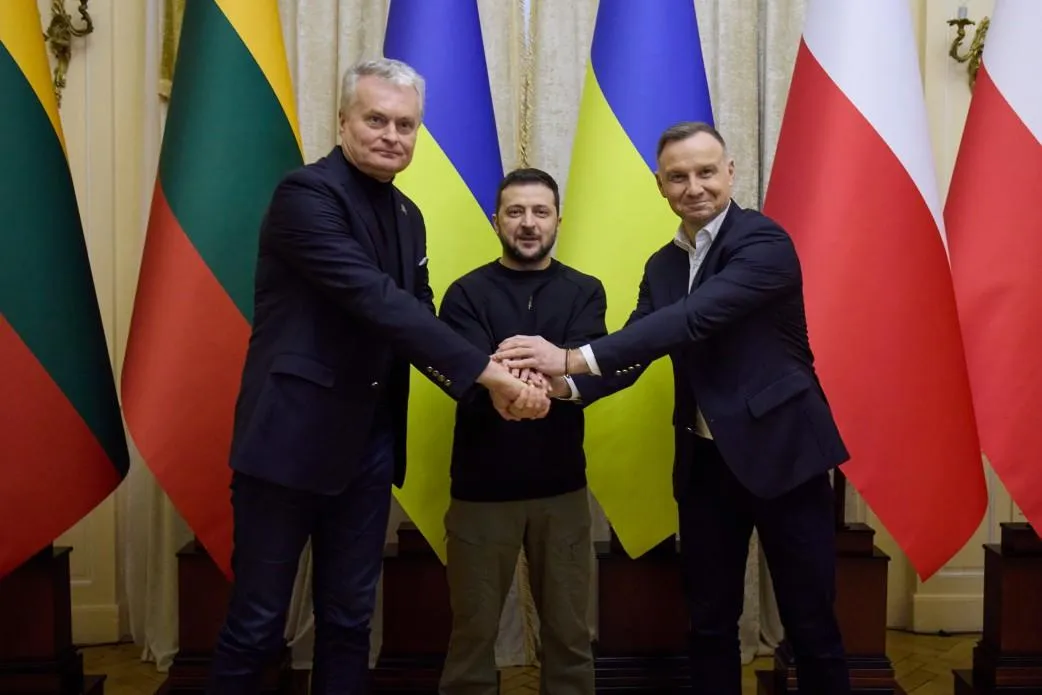
The Lublin Triangle. On July 28, 2020, in Lublin (Poland), Ukraine, Poland, and Lithuania joined the Lublin Triangle. The creation of this new format was announced by the then-Foreign Minister of Ukraine, Dmytro Kuleba. He called the Lublin Triangle “a step toward strengthening Ukraine as a full-fledged member of the European and Euro-Atlantic family.”
The new format built upon an existing system of relations. Poland and Lithuania already had experience working together with Ukraine—in particular through the Lithuanian-Polish-Ukrainian Brigade (LitPolUkrBrig), the Lublin Assembly, and other mechanisms. The Lublin Triangle became one of the platforms where Kyiv could align its positions with countries that support Ukraine’s faster integration with Western structures.
The format has proven its effectiveness since 2022. Topics discussed within it include: defense cooperation; countering Russian disinformation; sanctions policy; protecting NATO’s eastern flank; support for Ukraine’s accession to the EU and NATO; and energy and infrastructure security.
In July 2025, the foreign ministers of the three countries confirmed the further deepening of defense cooperation and supported the use of frozen Russian assets for Ukraine’s recovery and the strengthening of sanctions against Russia.
In September 2025, following the crash of Russian drones on Polish territory, the three countries issued a joint statement on coordinating air defense, calling on Western allies to strengthen Ukraine’s air defense and reinforce NATO’s eastern flank.
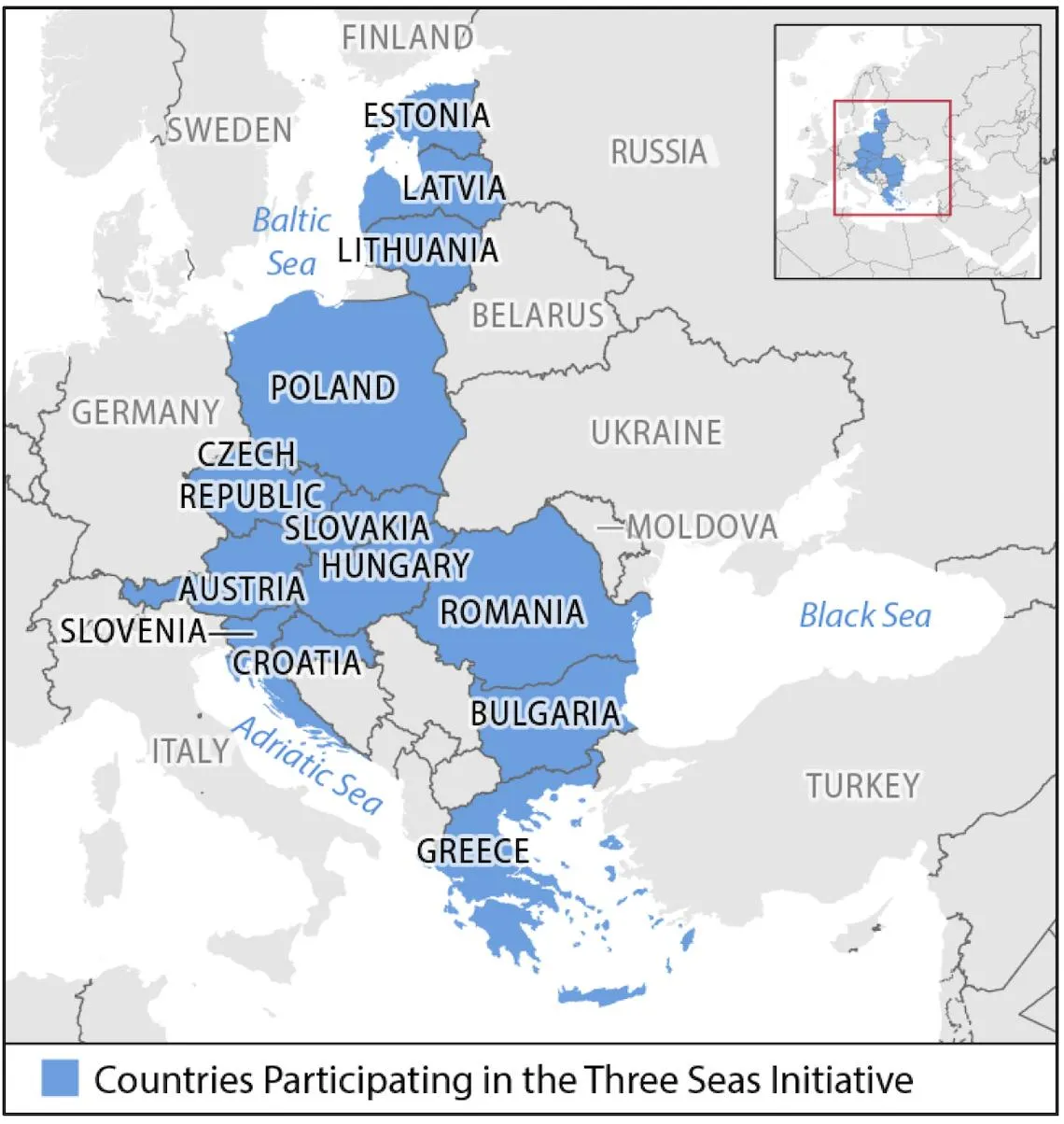
The Three Seas Initiative. The Three Seas Initiative, which brings together 12 European Union countries located near the Baltic, Black, and Adriatic Seas, was launched in 2015. On June 20, 2022, Ukraine was granted partner status in this alliance, and in 2025, the Ukrainian government announced its aspiration to become a full member.
The original rationale behind the Three Seas Initiative was primarily economic: for decades, the region had underdeveloped “north–south” connections, while transportation and energy networks were often oriented from east to west. Overall, the initiative covered three major areas: transportation, energy, and digital infrastructure.
After 2022, the Three Seas Initiative gained greater significance. The Russian invasion effectively demonstrated that logistics infrastructure is not just a matter of trade, but also of security. In 2025 and 2026, the Three Seas summits were held, where Ukraine emphasized the need to protect energy infrastructure, establish backup routes for power grids and pipelines, and develop logistics links.
The Three Seas format, in essence, remains a political and economic platform for coordinating projects and attracting funding. Thus, Ukraine must not only participate in the summits but also lobby for the inclusion of its own projects in specific European transportation, energy, and digital networks.
The Ukraine–Turkey
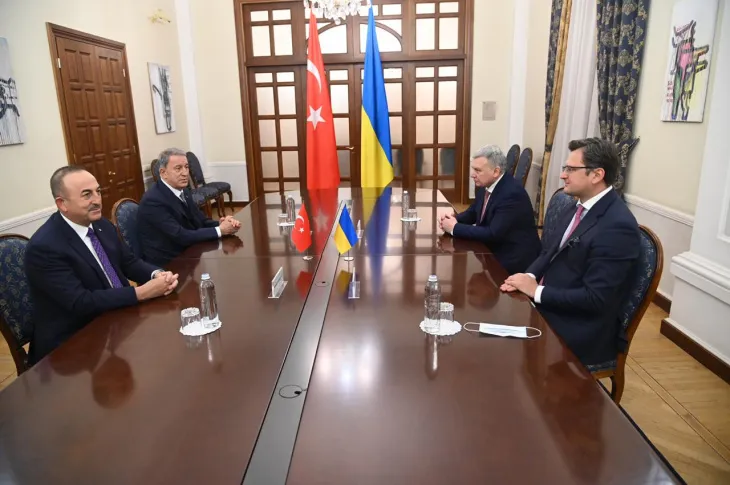
Quadriga. Unlike the Three Seas Initiative, the Ukraine–Turkey Quadriga is a bilateral format. Kyiv and Istanbul launched this format in December 2020 as a series of meetings between foreign ministers in response to the deteriorating security situation in the Black Sea region. In March 2021, consultations were held at the level of national coordinators. The parties separately discussed the defense industry and the situation in Crimea and the occupied territories.
Official diplomatic-level meetings specifically within the Quadriga format have not become a regular occurrence. Instead, Ukrainian-Turkish contacts continue through other channels.
Although Turkey is one of Ukraine’s partners in the field of defense technologies, it simultaneously maintains relations with Russia and does not support the sanctions policies of Western countries. Ankara is also attempting to negotiate the security of shipping in the Black Sea. In particular, in August 2026, the Turkish side conveyed to Russia a Ukrainian proposal for a moratorium on attacks on merchant ships. Turkey maintains a similar track of negotiations with Moscow.
“The
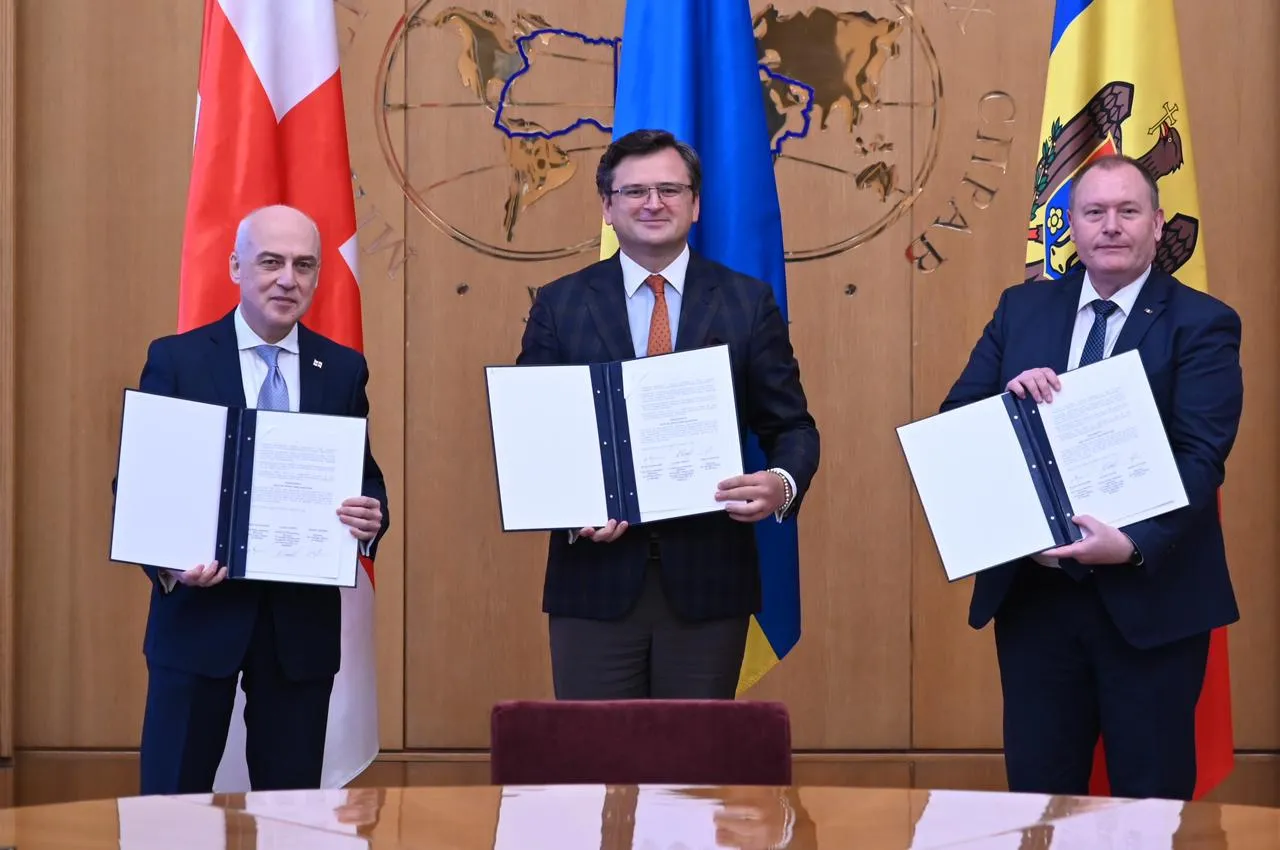
Associated Trio.” In May 2021, Ukraine, Georgia, and Moldova signed a trilateral memorandum on launching enhanced cooperation on European integration issues, known as “The Associated Trio.” All three countries already had Association Agreements with the EU and sought to coordinate their positions in negotiations with Brussels. The memorandum addressed the implementation of the Association Agreements, gradual integration into the EU’s internal market, and the prospect of membership. In July 2021, the presidents of the three countries held a joint meeting with the then-President of the European Council, Charles Michel.
However, after 2022, the geopolitical situation changed so much that each country followed its own path. Ukraine and Moldova became candidates for EU membership in 2022, and accession negotiations with them began in 2024. At the same time, Georgia has taken a different political path. Its relations with the EU have deteriorated significantly, and the shared trajectory of the three countries has effectively diverged. Thus, the “Associated Trio” format has lost part of its original function and no longer carries the same weight it did in 2021.
The
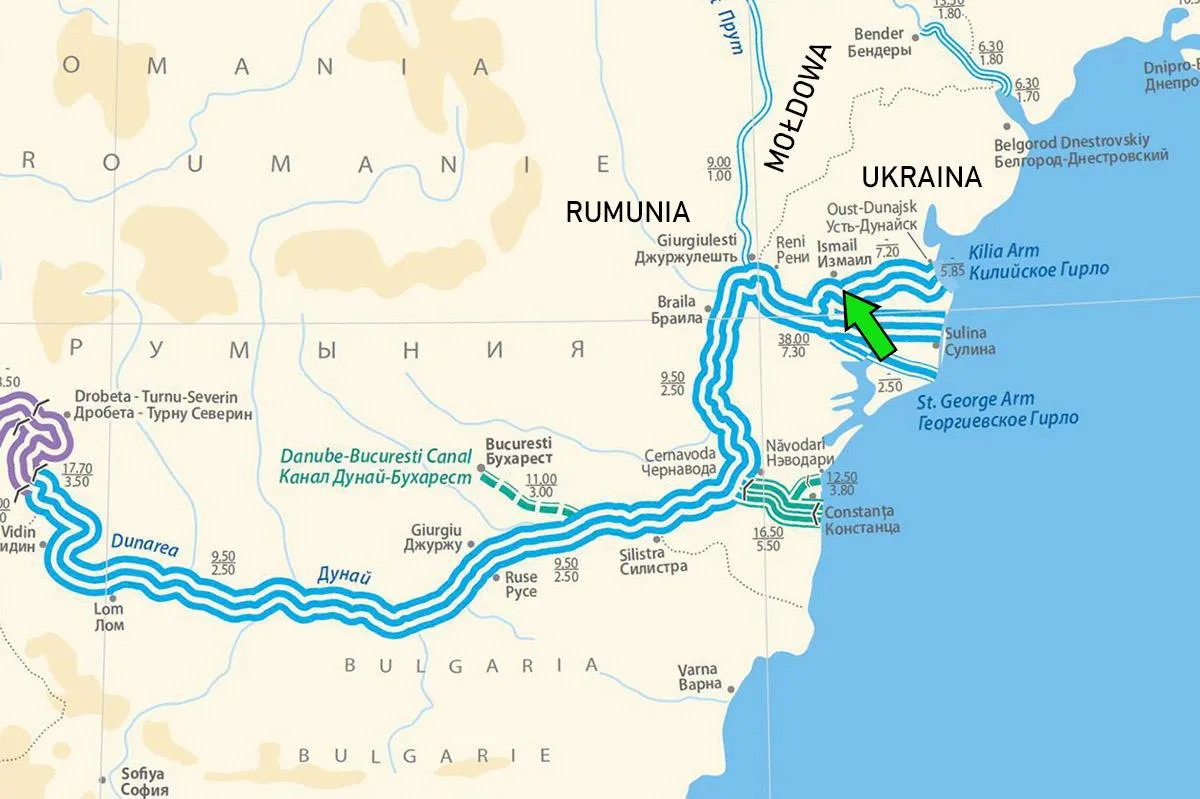
Danube Strategy. The EU Strategy for the Danube Region (EUSDR) is a macro-regional strategy that brings together 14 countries to cooperate in transportation, the environment, energy, the economy, tourism, and other areas.
The strategy includes four Ukrainian regions: Odesa, Mykolaiv, Kherson, and Zakarpattia. In 2021, Ukraine became the first non-EU country to assume the presidency of the Danube Strategy. Ukraine’s presidency lasted from November 2021 to November 2022.
The relevance of this framework has increased since 2022—due to the Russian blockade of Ukrainian seaports, the Danube has become one of Ukraine’s key export routes. It has evolved from a local infrastructure issue into a component of European food and logistics security.
The Danube Strategy also helps integrate the Ukrainian section of the Danube into the European transport system. This involves integrating the Danube transport network into the European TEN-T network and developing ports and logistics routes. In the future, this will help streamline logistics operations, attract European investment to modernize transportation infrastructure, reduce costs, and improve the quality of services for the transport of goods.
The Visegrad Group. This alliance of Central European countries—Poland, the Czech Republic, Hungary, and Slovakia—was formed in 1991 to strengthen the Euro-Atlantic integration of Central European nations. Ukraine has never been a member of this group but participates in political dialogue within the “V4 + Ukraine” format.
The Ukrainian government has made particularly active use of this format since 2014. For example, in February 2024, a delegation from the Verkhovna Rada participated in the “V4+Ukraine” parliamentary summit in Prague, where Russian aggression was the main topic of discussion. In 2025, the foundation expanded the V4 Gen Mini-Grants program, allowing Ukrainian organizations to apply for funding alongside partners from the V4 countries.
However, within the Visegrád Four framework, a clear conflict between the participants’ national interests emerged. After 2022, Poland and the Czech Republic adopted a significantly tougher stance toward Russia and in support of Ukraine, while Hungary, and—with Robert Fico’s return to power—Slovakia as well, became opponents of military and financial aid to Ukraine and also attempted to block its European integration. The war led to serious disagreements among the group’s members, including the cancellation of some meetings of defense ministers.
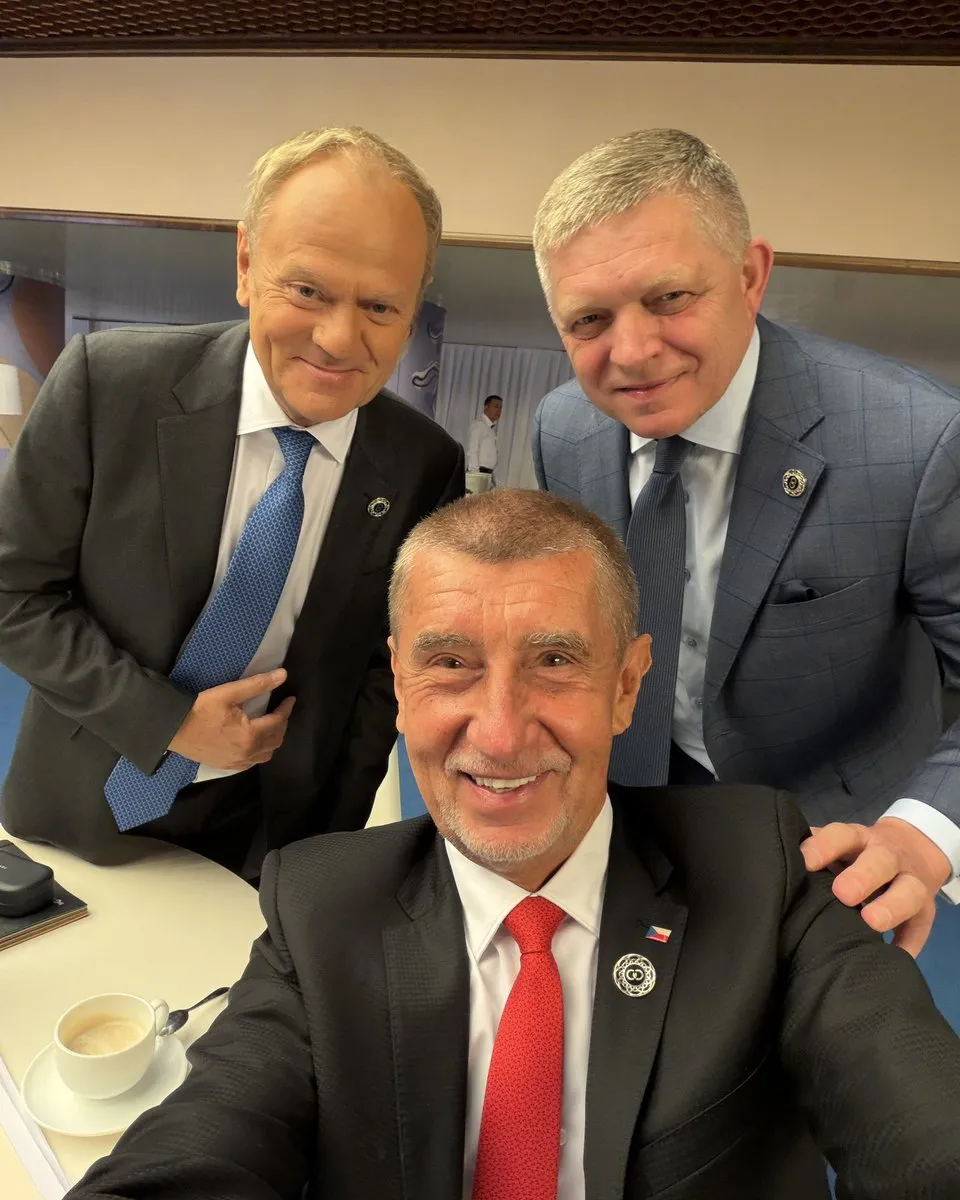
A certain shift occurred in May 2026, after Péter Magyar came to power in Hungary. Slovak Prime Minister Robert Fico posted a joint selfie on his social media page with Polish PrimeDonald Tusk and Czech Prime Minister Andrej Babiš, who were together on the sidelines of the European Political Community summit in Yerevan. Fico captioned the photo: “The Three Musketeers are waiting for the fourth and the revival of the V4,” alluding to a reset of the alliance.
The
experience of the Visegrád Group has shown that even a 30-year-old alliance can lose its political unity if its members begin to view Russia, Ukraine, and the future of the EU differently. These very differences among the alliance’s member states became one of the factors contributing to the group’s weakening after 2022.
Expert
Opinions
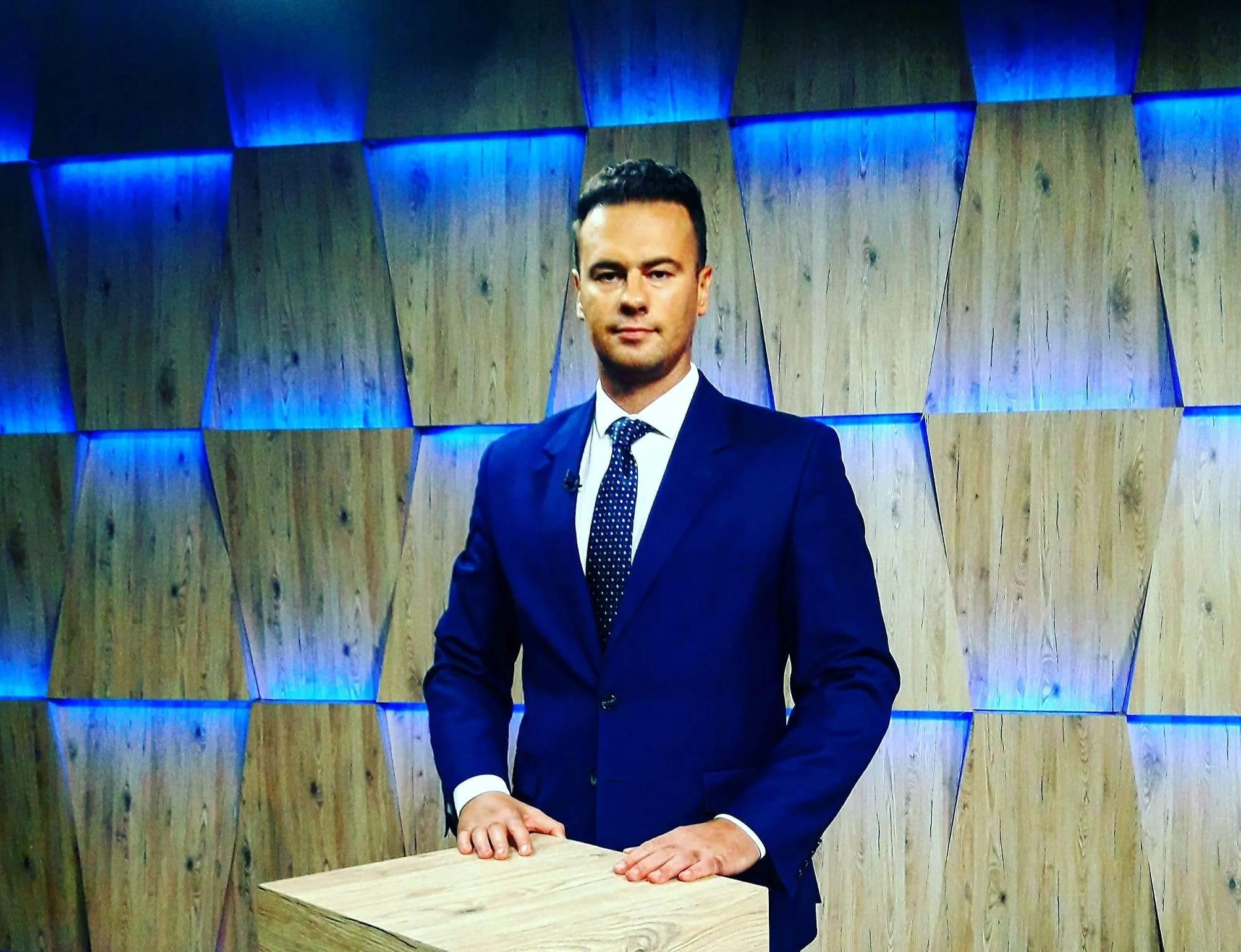
Maksym Yali: In any case, these are our neighbors with whom bilateral cooperation is important
In theory, any new alliances or frameworks that could strengthen Ukraine’s cooperation are beneficial for our country. But the reality is that these plans and goals are far from always being realized, says political scientist and international relations expert Maksym Yali.
“We remember the military alliances signed in the past—Ukraine, Poland, the United Kingdom, the Carpathian Alliance. There are a number of such initiatives, and not all of them are working today as planned. At the same time, we see that important countries, particularly Romania, are present in this new framework.
But, as we saw at the very first meeting, Hungary and Slovakia were represented at a fairly low diplomatic level—their leaders did not attend. This already indicates a lack of consensus on common strategic interests. Views diverge, particularly between Slovakia and Hungary. We remember all too well the episode involving the blocking of sanctions against Russia. Now even Hungary is blocking the opening of new chapters in Ukraine’s European integration process.
So, in principle, the very idea of gathering in such formats and involving partners with whom there are differences is important. The more such meetings and contacts there are, the greater the results that can be achieved. But to do this, it is also necessary to smooth out rough edges at the bilateral level and reach consensus on contentious issues.
Let’s hope that this new format will help, to some extent, to smooth out differences with Hungary and Slovakia. I won’t even mention Austria—an important country that also maintained a fairly neutral stance toward Russia for a long time, at least until 2022.
Austria was one of the largest buyers of Russian gas. So in any case, these are our neighbors, with whom bilateral cooperation and development—as well as our European integration—are important. After all, in order for us to qualify for membership, we’ll need to resolve all disputes with every party during the final stage.”

Yevhen Magda: The summit has fallen short of
expectations
There are many questions surrounding the Carpathian Initiative summit, according to Yevhen Magda, director of the Institute of World Politics.
“And the main one is: was it really necessary to so blatantly thumb one’s nose at Ukrainian parliamentary democracy by canceling the Verkhovna Rada’s plenary session and Government Day at the last minute just so that the summit participants—government officials and lawmakers—could travel to Bukovel? The issue here is that many Ukrainians—and not just Ukrainians—associate Bukovel with a resort. The idea of creating the Carpathian Eight is, in principle, logical, because we now live in a turbulent world and need to create new projects, including integration initiatives.
But let’s recall: there is the Lublin Triangle, which includes Ukraine. What does it actually entail right now?
There’s the Odessa Triangle—Ukraine, Romania, and Moldova. Where is Moldova’s president? Why wasn’t she in Bukovel? Only the president of Romania was there. Was it appropriate to invite Aleksandar Vučić, the president of Serbia?
Yes, the Carpathians extend into Serbia. But after Ratko Mladić—the man responsible for the murder of thousands of Bosnian Muslims—was buried there, we once again embraced Vučić and effectively demonstrated that we have different approaches from the European Union in this regard.
Yes, several agreements have been signed. But, you know, as of today, the scale of Ukraine’s losses and the damage inflicted is such that even a sum of several billion dollars or euros—as paradoxical as it may sound—will not be decisive for Ukraine. This, too, must be understood and acknowledged.
Therefore, I believe this summit has not lived up to the expectations placed on it. And, in my view, it was not very well prepared.
Take note of how we phrase it: seven countries and the European Union. How do we plan to make these decisions going forward? Will we be able to coordinate every position with the European Union?
I have many questions about this today. Especially since Hungary sent a deputy ambassador, and Slovakia was also represented at a very low level. Well, for us today, these are problematic countries. And the Carpathian Summit failed to resolve the issue of relations with them or the normalization of those relations.
Therefore, I understand the desire of Volodymyr Zelenskyy and his team to forge their own path rather than seek results in areas where they do not currently call the shots.
But it seems to me that it would be more promising for Ukraine to work with the Trimoor, seek ways to engage with the Visegrad Four, and interact with the Bucharest Nine. These are also formats that have existed for a long time. In other words, to use business terminology, they have a longer track record. And we’re trying to do something on our own. That won’t always be effective, especially in today’s rather turbulent world.”
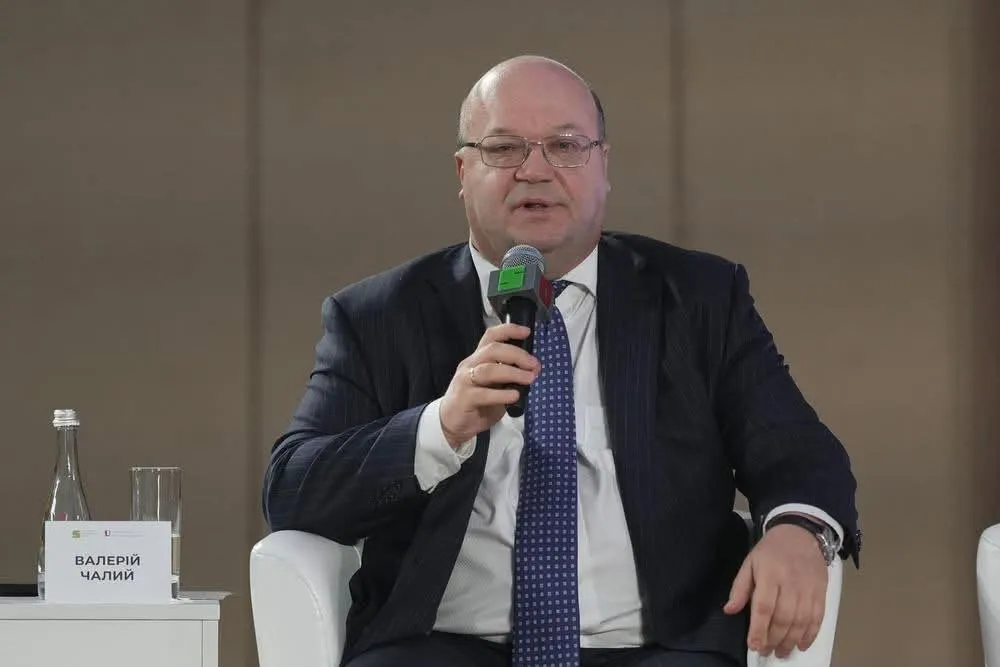
Valery Chaly: We’ve already heard
plenty about investments in the tens of billions
“The Carpathian Initiative” is a thing of the past and appears to be an attempt to “politically reorganize something that has already ‘shown the limits of its formats,’” says Valeriy Chaly, chairman of the board of the Ukrainian Crisis Media Center and former Ukrainian ambassador to the U.S.
“The main thing is for this format to truly go beyond the scope of the ‘Carpathian Initiative’—which was also initiated by Ukraine and has existed for over 20 years (it came into effect on January 4, 2006). You’ll be surprised, but it includes… the very same countries. Only Austria, which did join the Carpathian Eight, is an active participant in another format — the Alpine Convention — a similar international treaty for the Alpine region (the explanation is simple: almost all of Austria’s mountainous territory belongs to the Alps, and less than 1% belongs to the Carpathians),” Chalyi commented on the event.
He recalled that since 1996, Ukraine has been a member of the Central European Initiative, which includes the same group of eight “Carpathian” countries, but whose successes have long since gone unheard of.
“We also mustn’t forget about the existence of the Bucharest Nine (C9) on NATO’s eastern flank, comprising Poland, Romania, Bulgaria, Estonia, Latvia, Lithuania, Slovakia, the Czech Republic, and Hungary (the same five member countries, excluding Serbia and Austria). From the perspective of security priorities, joining this particular group of countries is currently a more urgent task for Ukraine than attempting to politically reorganize something that has already shown the limits of its format,” the former ambassador believes.
“The meetings in Bukovel, in the beautiful Ukrainian Carpathians—the summit and the ‘side events’—are so wonderful for all participants. It’s no surprise that not only the Cabinet of Ministers—almost in its entirety—but also a large portion of the members of parliament suddenly chose to attend this summit rather than work on finding real mechanisms to fill the state budget, the shortfall in which is unlikely to be covered by statements about potential inflows of specific funds within the framework of the Carpathian Eight. The presence of a delegation led by the President of Ukraine, along with representatives of local authorities, regional communities, and the business sector, would be more than enough, Valerii Chalyi is convinced. “The main thing is that the beautiful echoes of the Carpathian trembitas do not fade away after the very first summit, but that results truly significant for the country (and, preferably, in the very near future) are achieved, rather than just high-profile announcements of theoretical possibilities. We’ve heard enough about tens of billions in investments already…”




