
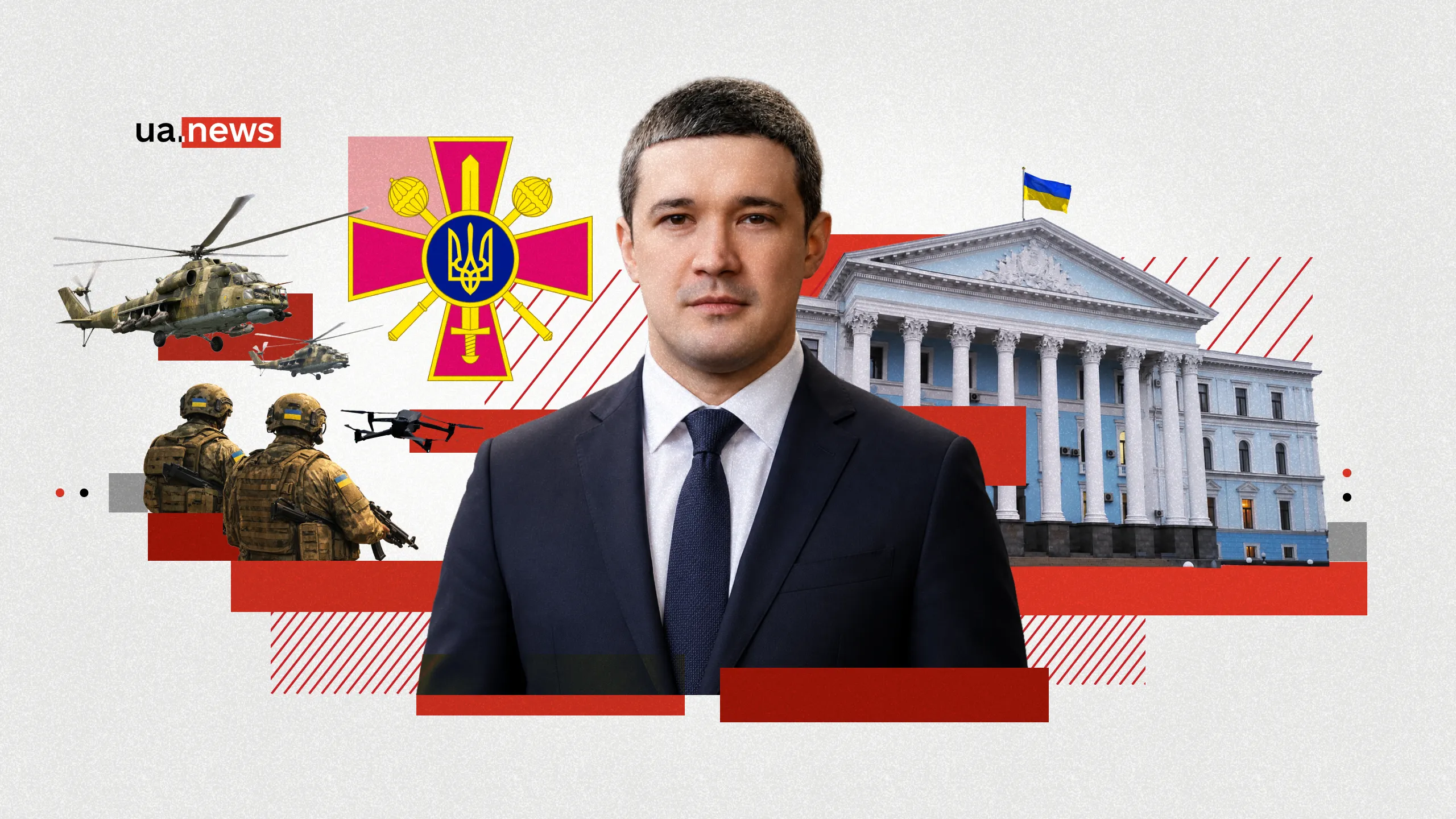
It appears that Mykhailo Fedorov, who was appointed Minister of Defense only in January 2026, will nevertheless be leaving the Ministry of Defense. The Verkhovna Rada has already voted on the new composition of the Cabinet of Ministers, and, according to available information, there is no place for Fedorov in it. The minister himself has effectively confirmed his upcoming resignation, which has only fueled public debate.
It is important to note right away: this situation is still evolving; there is no final decree as of this writing, active debates are ongoing, and the political process is unfolding. Fedorov, for his part, appears to remain in an acting capacity (according to other reports, he has already been definitively dismissed). Thus, the overall trend is clear: the head of state seems to be firmly opposed to Fedorov.
The reaction to this personnel decision has been extremely mixed. Today, July 16, thousands of people took to the central streets of many Ukrainian cities, demanding that Fedorov not be dismissed, as they view this as undermining the country’s defense capabilities. Western partners have also publicly expressed their outrage.
Just how effective was Mykhailo Fedorov at the helm of the defense ministry, and why was the decision made to remove him from office despite public and diplomatic support? UA.News, together with experts, examined the issue.
“An Effective War Manager”: Strategy, Successes, and Failures
Objectively assessing the effectiveness of any defense minister who has served for about seven months is by no means a trivial task. In such a short period of time, it is impossible to carry out deep structural reforms that would radically change the state of the army. War imposes its own harsh conditions, and the minister often acts as a crisis manager rather than the architect of a new system. However, even during this brief period, a consensus has emerged among experts—with rare exceptions—that Fedorov was a quite effective government official. A significant portion of the public shares this view, as demonstrated by today’s protests.
Upon joining the Ministry of Defense from the Ministry of Digital Transformation, Fedorov immediately set a course toward digitization and modernization of processes. He launched a series of reforms focused primarily on the digitalization of the military, the automation of logistics, and financial oversight. His vision was based on the idea that the army should fight not with numbers, but with technology. In particular, his name is associated with a significant expansion of capabilities in the area of long-range strikes and so-called “middle strikes” deep inside Russian territory. Attacks on military and energy facilities in Russia have become an almost daily reality.
However, an important point should be made here. The Ministry of Defense’s functions are, by their very nature, primarily logistical: supplying the troops, budgeting, procurement, logistical expenses, and so on. The planning and direct execution of combat operations are handled by the General Staff of the Armed Forces of Ukraine, the Main Intelligence Directorate, and the Security Service of Ukraine. Therefore, attributing all successes on the battlefield exclusively to the defense minister would be, to put it mildly, incorrect. Fedorov’s task is rather to create the political and financial conditions that make these strikes possible.
The main problem Fedorov faced was a catastrophic lack of time. It is physically impossible to radically transform a cumbersome, highly corrupt military procurement system in just six months. He managed to set certain processes in motion, but was unable to see them through to completion. Another critical factor that negatively affected his work was a lack of flexibility in communicating with key players in the security sector (though it is possible that the opposite was actually true). Sources indicate that Fedorov’s relationship with the General Staff—and personally with the Commander-in-Chief of the Armed Forces of Ukraine, Oleksandr Syrskyi—was openly strained. In wartime, a conflict between the political head of the military department and the military command is a disaster that hinders decision-making.
Thus, when discussing Fedorov’s effectiveness, a contradictory and ambivalent picture emerges. As an ideologue of asymmetric warfare and technological leapfrogging, he appears to have been genuinely effective. However, as a classic administrator forced to “sort out” daily problems with food, logistical support, billion-hryvnia tenders, and multi-layered communication across various agencies, he objectively did not have time to achieve any outstanding results. Fedorov was not a “magician” or a “savior,” but he was a manager whose ideas often outpaced the capabilities of the typical post-Soviet bureaucratic machine.
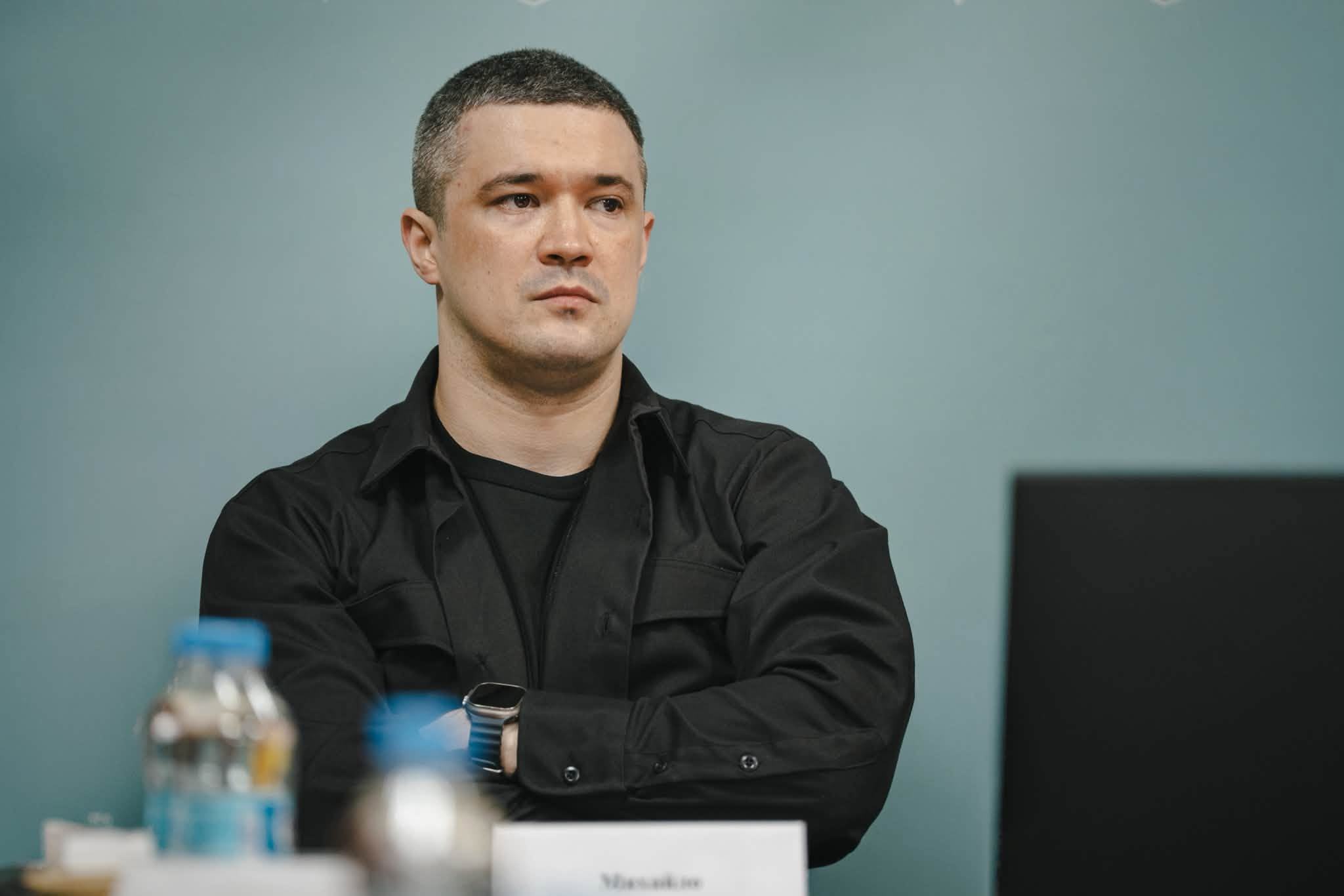
The Political Background of the Resignation: Professionalism Is Not a Lifeline
From the standpoint of professional competence, there may have been some questions about Fedorov, but the overall balance clearly tipped in his favor. Yet the real reasons for his dismissal lie in an entirely different realm. This is a classic story of political competition, infighting within the bureaucracy, and control over financial flows. Analyzing the situation, it becomes clear: Fedorov was removed not because he performed poorly, but because he had become too independent and influential a figure.
Throughout his years in power, Mykhailo Fedorov successfully built a brand as an “effective technocrat” who advocates for all things progressive and opposes the archaic past. Digitalization, drones, robots, artificial intelligence on the battlefield, and so on—this agenda made him a favorite among Western partners and opinion leaders. To what extent this image reflected reality is a matter of debate: in some respects it was 100% accurate, while in others it was clearly exaggerated. But the main point is that this reputation as a modern, strategic manager transformed him into an independent political player with his own channels of communication, independent of the Office of the President.
Fedorov is considered to have close ties to grant-funding circles and European elites. This is clearly confirmed by Brussels’ reaction to the news of his resignation. It came as a “big surprise” to the EU and “raises questions,” said European Commissioner for Defense Andrius Kubilius, among others. Similar articles are now appearing in the Western press. Such statements are an indication that Fedorov had his own contacts, independent of the president, which were causing increasing irritation at Bankova Street.
The second, no less important reason is financial. The Ministry of Defense involves massive budgets for military procurement and colossal financial flows, which have long been firmly controlled by “insiders.” According to sources, Fedorov came into conflict with these influential groups, and his attempts to bring order to their affairs provoked predictable resistance. Thus, the financial underpinning of his resignation was most likely far from the last on the list of reasons.
The third, and perhaps most crucial, front in this struggle was the conflict with Commander-in-Chief Syrsky and his team. The disagreements centered on methods of waging war, the allocation of funding, and operational priorities. The situation came to a head when Fedorov began demanding Syrskyi’s resignation. This was a direct challenge to the president, since it was Zelenskyy who had placed—and continues to place—his trust in the current commander-in-chief. Faced with a choice, the president—quite logically and as expected within the system—chose the general. Sacrificing Syrskyi was too risky, so Fedorov was made the scapegoat.
Finally, the last nail in the coffin of his ministerial career was a task that was doomed to fail from the start. Fedorov was tasked with reforming the mobilization system and the Territorial Defense Forces, as public discontent over the forced “busification” is growing exponentially and has already led to riots in some places. The problem is that this task is physically impossible to carry out.
First, Fedorov never presented a clear concept for the reform. The deadlines for its presentation were constantly postponed, since reforming something you do not control is, to put it mildly, difficult. Mobilization and the work of the Territorial Defense Forces are handled by the Ground Forces, which report directly to Syrsky and to the president as Supreme Commander-in-Chief. The defense minister has no direct operational influence over this chain of command.
Second, everyone understands perfectly well that there is simply no alternative to strict mobilization (as defined by the authorities) at this time, so no one will agree to stop it. On the contrary: given the situation on the front lines and the potential announcement of a draft in Russia following the parliamentary elections, we should expect mobilization measures in Ukraine to intensify rather than ease.
Third—and this is the most important point—this very form of mobilization is clearly a direct order from the very top. It cannot be that the country’s top leadership is unaware of it—they know. And it is even less likely that the president or the chief of the General Staff understand the problem but are powerless to act: they, in fact, are the only ones who can. If they had decided to stop this forced “busification,” they could have done so in a single day simply by ordering a “slowdown.” Instead, Fedorov was given a task that was knowingly impossible to accomplish, placing him in a position where the task was bound to fail. When that happened, he was predictably accused of inefficiency, and this was used as yet another pretext for his dismissal.
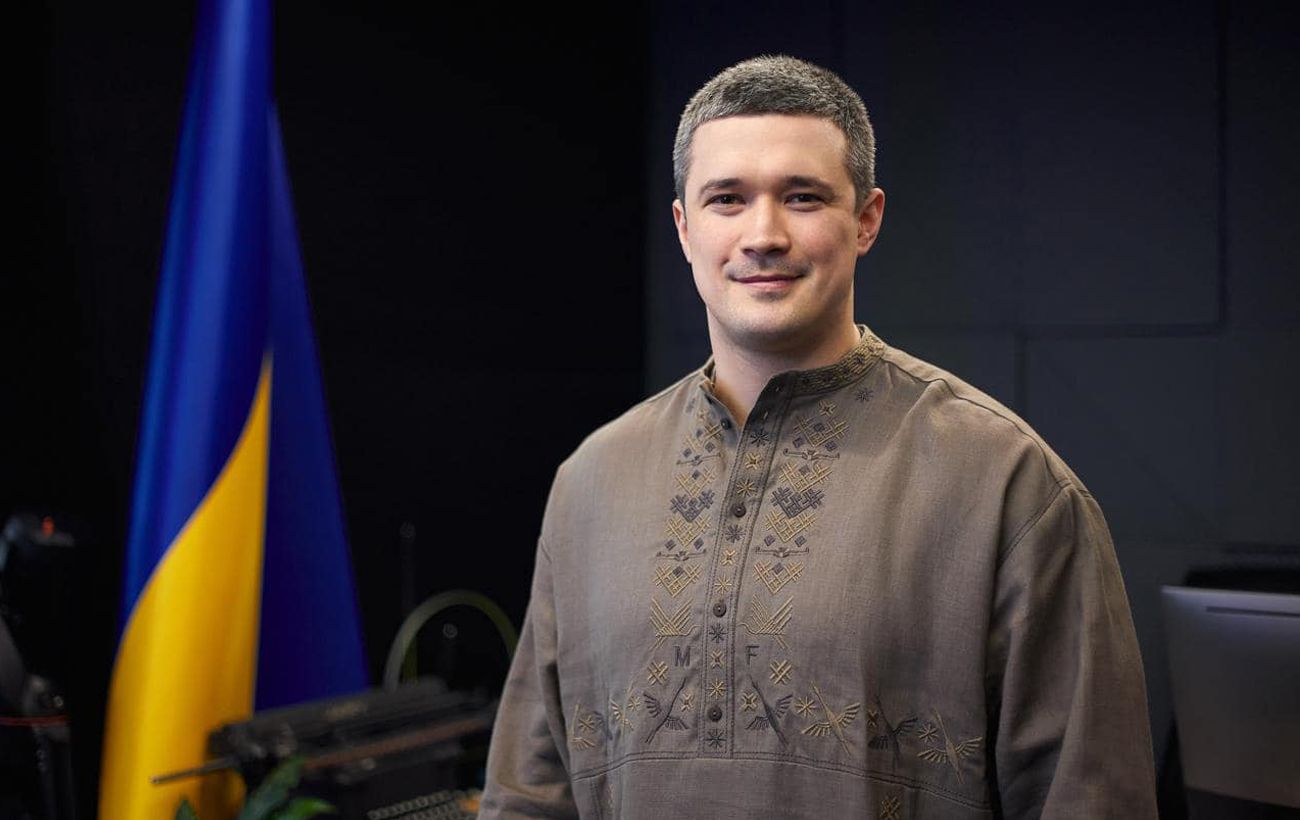
Expert Opinions
Political scientist and director of the Ukrainian Institute of Politics Ruslan Bortnik is certain: Fedorov’s fate has not yet been decided. The situation is still evolving.
“We are seeing protests begin to emerge in connection with Fedorov’s possible resignation. We recall that the recent protests—the so-called ‘cardboard Maidan’—forced the authorities to reverse their decisions to subordinate NABU and the SAPO to the Prosecutor General’s Office. I do not rule out that the authorities will now seek some other solution, or some other position for Fedorov, because these protests are hurting both the government’s approval ratings and its reputation abroad. It also cannot be completely ruled out that Fedorov will remain at the Ministry of Defense or take on the position of Deputy Prime Minister with responsibility for the Ministry of Defense and military technologies. A solution will be sought.
The key reasons for Fedorov’s dismissal are his conflict with the general staff and with Syrsky personally; the fact that he became too close to Western partners and the anti-corruption hierarchy, which conflicts with the presidential hierarchy in our political system; and, of course, the attempt to pin the failure of the mobilization reform on Fedorov. These three factors determined the desire to dismiss Fedorov. At the root of this, of course, is also the fact that Fedorov is gaining political clout, gradually transforming into a figure in the mold of Budanov or Zaluzhny, and may one day pose a challenge to the current government. Therefore, political competition and the struggle for power are at the root of this decision. Fedorov was one of Ukraine’s most effective defense ministers, and from the standpoint of management and professionalism, there are very few complaints about him. “So this is not a professional issue, but first and foremost a political one,” Ruslan Bortnik asserts.
Political analyst and director of the “Third Sector” Center, Andriy Zolotaryov, commenting on the situation surrounding Fedorov, recalled an old joke: How is a guinea pig different from a rat? The fact that the guinea pig has better PR. The same goes for Mykhailo Fedorov.
“Indeed, Defense Minister Fedorov’s PR was much better than that of Umerov or Reznikov. It has long been clear to all experts that highly professional political consultants and strategists have been working with the minister all along, gradually building his image in the media. But that’s not the main point. The main thing is what everyone saw: Fedorov has political ambitions and certain political prospects. And when you develop ambitions, the country’s top leader begins to harbor suspicions. And this became one of the main factors that led to the situation surrounding Mykhailo Fedorov: he began working too independently, too confidently. And I think this didn’t sit well with Volodymyr Zelenskyy. I’ll also add that certain circles emerged among those who were cut out of the Defense Ministry’s billion-hryvnia contracts. And the final straw was the conflict with the commander-in-chief, since Syrskyi is far more important to Zelenskyy than Fedorov. The “Babel” publication helped blow the “Skelya” scandal out of proportion—perhaps Fedorov was behind that as well. But it didn’t help. In the power struggle, Fedorov lost to Syrskyi.
If we take stock of the situation, Fedorov did indeed have certain achievements. Take, for example, cutting off Starlink access to the Russians—that’s a painful blow for them, and they’ve felt it. Then there’s the shooting down of drones and mid-air strikes; all of this has become a major problem for Russia. The digitization of the Ministry of Defense—that was a 50-50 success. But the main thing that failed was the mobilization reform. And it must be said that this immediately looked like an impossible mission. To blame all of this on Fedorov… Even with the best will in the world, Fedorov could not have radically changed what is happening on the streets of Ukrainian cities—the lawlessness and crime that follow in the wake of the TCC. And now we’re seeing attempts to repeat the “cardboard Maidan.” First and foremost, this will lead to an escalation of the conflict between Fedorov and Zelenskyy. It will also undermine the defense minister’s political prospects, because it became clear too early that Fedorov is a potential candidate for the presidency. Zelenskyy will not forgive this,” Andriy Zolotaryov is convinced.
The expert emphasizes that, most likely, criminal cases will eventually be filed regarding corruption in the Ministry of Defense during Fedorov’s tenure, as well as cases against potential sponsors, and so on. So “it’s not over yet.” Fedorov may remain acting minister for some time—until things settle down and the protests subside.
“But given the president’s psychological makeup, Zelenskyy will not forgive Fedorov for any of this. One hundred percent,” Andriy Zolotaryov concluded.
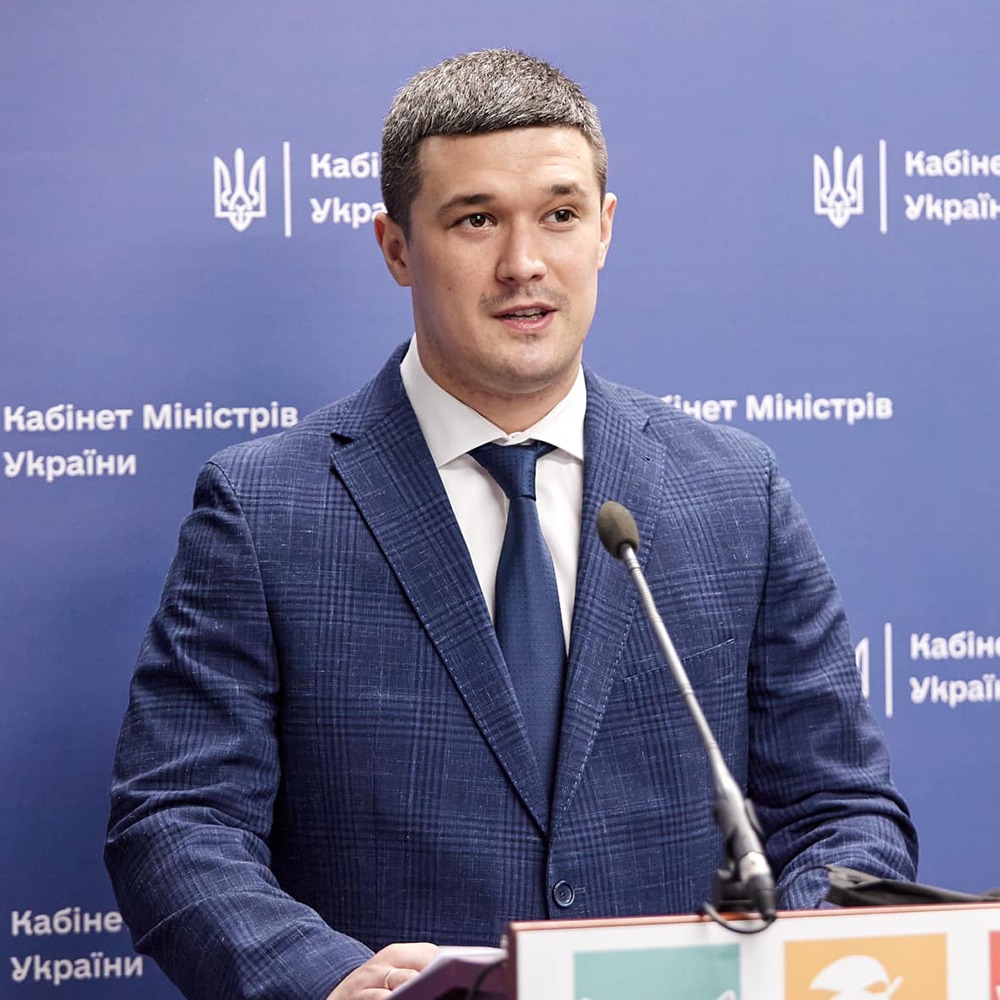
In summary, Mykhailo Fedorov lost this particular battle not as an administrator, but as a politician. In a fierce behind-the-scenes struggle, where bureaucratic clout and control over resources carry more weight than initiative and reputation, he proved to be the weaker player. Yes, he was a relatively effective manager: most likely not as brilliant as people say on social media, but certainly more effective than many of his predecessors. He had a strategy, he had drive, and he had a vision for the future of the military.
However, in the current Ukrainian political reality, the criteria for success are entirely different. What matters most right now is not vision or effectiveness, but functionality, predictability, and the absence of political ambitions. Such is the logic of the system itself, and it is utterly unclear how Fedorov intended to change this while simultaneously being inside the system and remaining an integral part of it. It’s like the wheels on a car: they’re controlled by a single steering mechanism, and it’s physically impossible for three wheels to turn right while the fourth suddenly turns left.
However, this story is far from over. Today’s street protests, public discontent, and direct questions from European partners indicate that the situation remains in flux. The political capital that Fedorov has managed to accumulate during this time has proven substantial enough not to simply fade into oblivion. So it is undoubtedly too early to write him off.




