
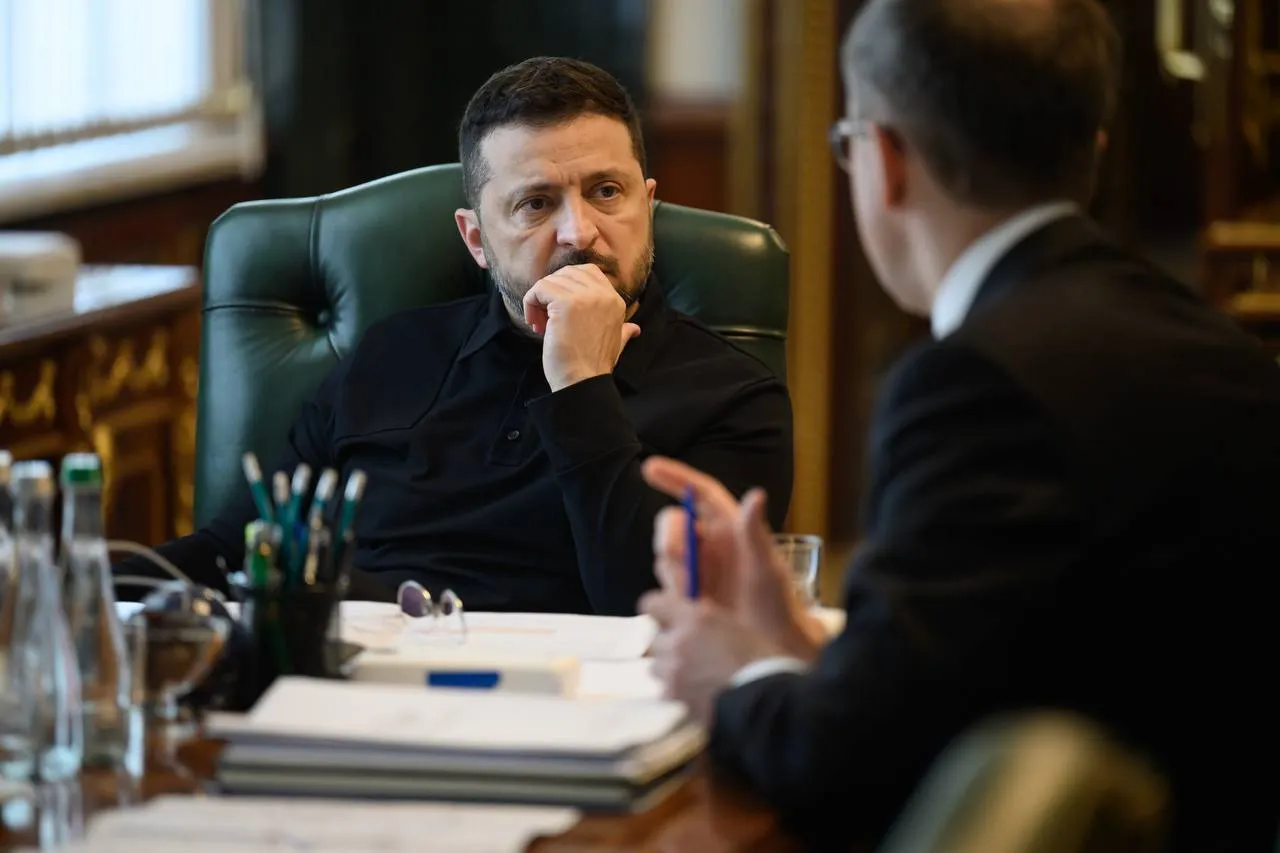
The Presidential Office announced a new phase in the fight against fraudulent call centers. On September 2, President Volodymyr Zelenskyy submitted a bill to the Verkhovna Rada that establishes separate criminal liability for organizing fraudulent call centers, financing them, ensuring their operation, and recruiting employees for them. Zelenskyy urged lawmakers to pass it without delay.
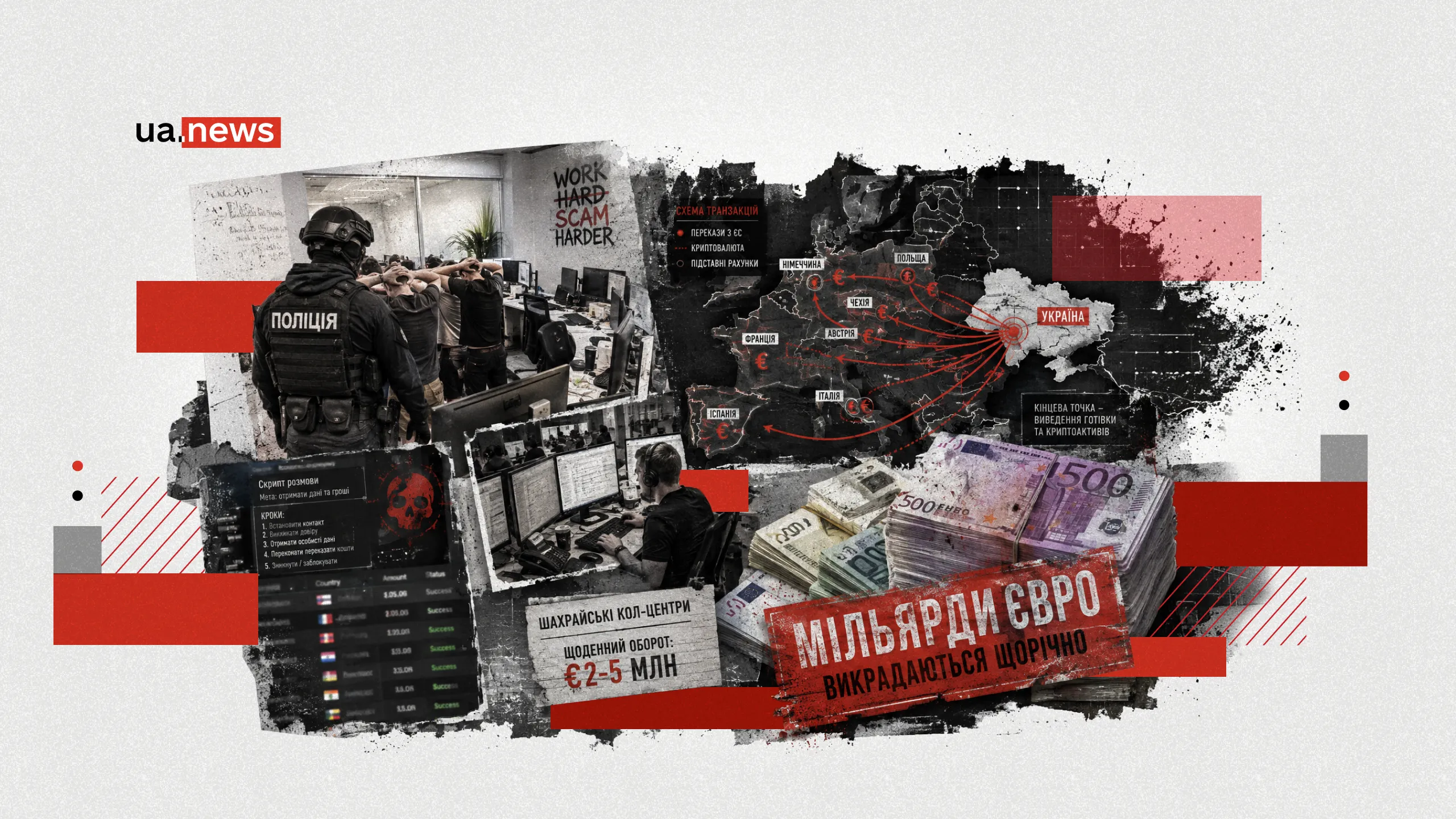
At first glance, this appears to be a logical response by the state to the scale of the problem. In August alone, Ukrainian law enforcement conducted 411 raids and shut down 94 fraudulent call centers. But these very figures highlight a paradox: if nearly a hundred “offices” can be found in a single week, just how big is the industry in reality?
And judging by the scale reported by international organizations, it has long since ceased to be a problem limited to a few dozen telephone operators. It is a transnational criminal enterprise that is turning Ukraine into one of the central hubs of the global fraud market.
Read the UA.News article about the billions of dollars circulating in this criminal industry, the reopening of “offices” after law enforcement raids, and the elusiveness of call center beneficiaries to the law.
What Zelenskyy
Is Proposing
Crimes committed by “office workers” are primarily classified under general fraud statutes. This complicates the fight against organized structures where the operator, administrator, property owner, IT specialist, and organizer each perform different functions. Zelenskyy’s bill aims not so much to increase criminal liability for this crime as to change the legal framework itself.
While investigators currently often have to prove a specific instance of fraud and identify the victim, a special provision would allow them to focus on the criminal organization itself. This potentially makes it possible to trace the chain from the operator to the recruiter, the financier, and the organizer of the scheme. Punishment not only for participation but also for facilitating the operation of such a structure—providing premises, services, and recruiting people—could become particularly important. In his bill, the president proposes the following penalties:
- 7–12 years of imprisonment with confiscation of property—for establishing a fraudulent organization or leading it or a structural unit thereof;
- 5–10 years—for working at such a call center if the person was aware of the illegality of its activities;
- 5–10 years—for providing premises or services for the activities of a fraudulent organization;
- 3–5 years—for intentionally recruiting a person to participate in such activities;
- 5–10 years — for repeated recruitment.
At the same time, the bill provides a mechanism for exposing the organizers: a person who reports the creation or activities of a fraudulent organization to law enforcement may be exempt from punishment. The exception is a person who created such an organization themselves.
Shut-Down “Offices”
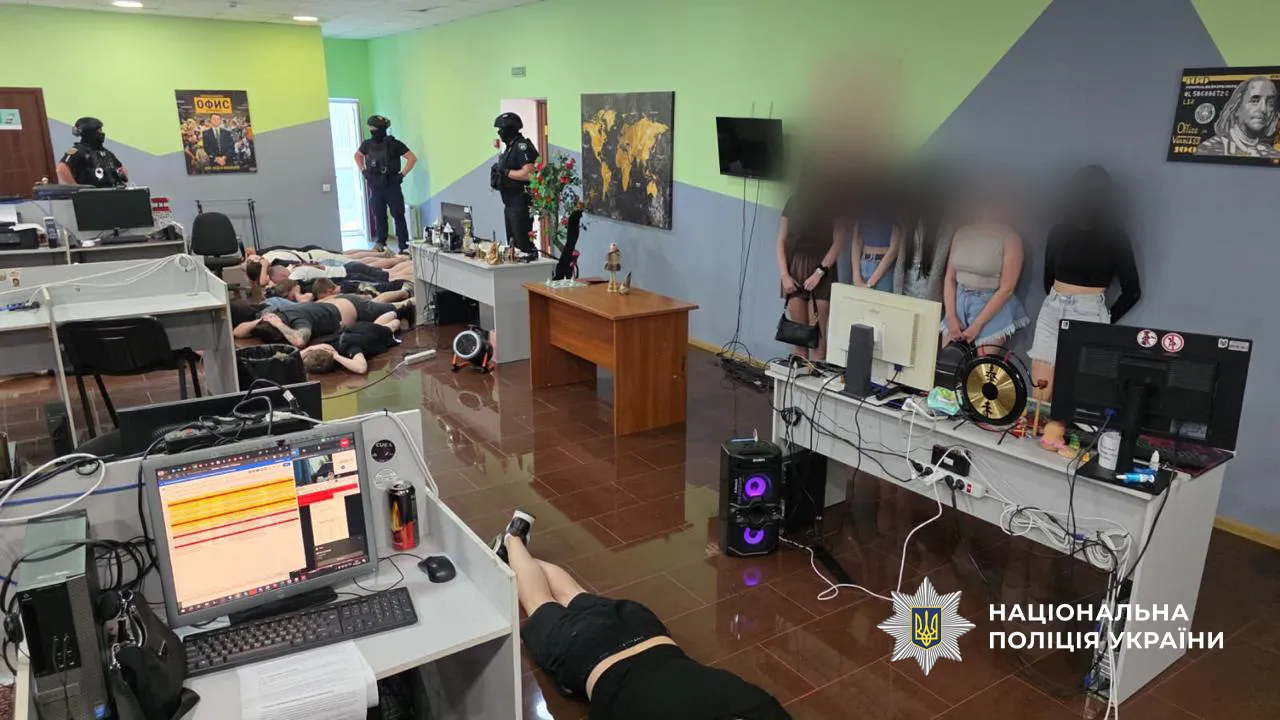
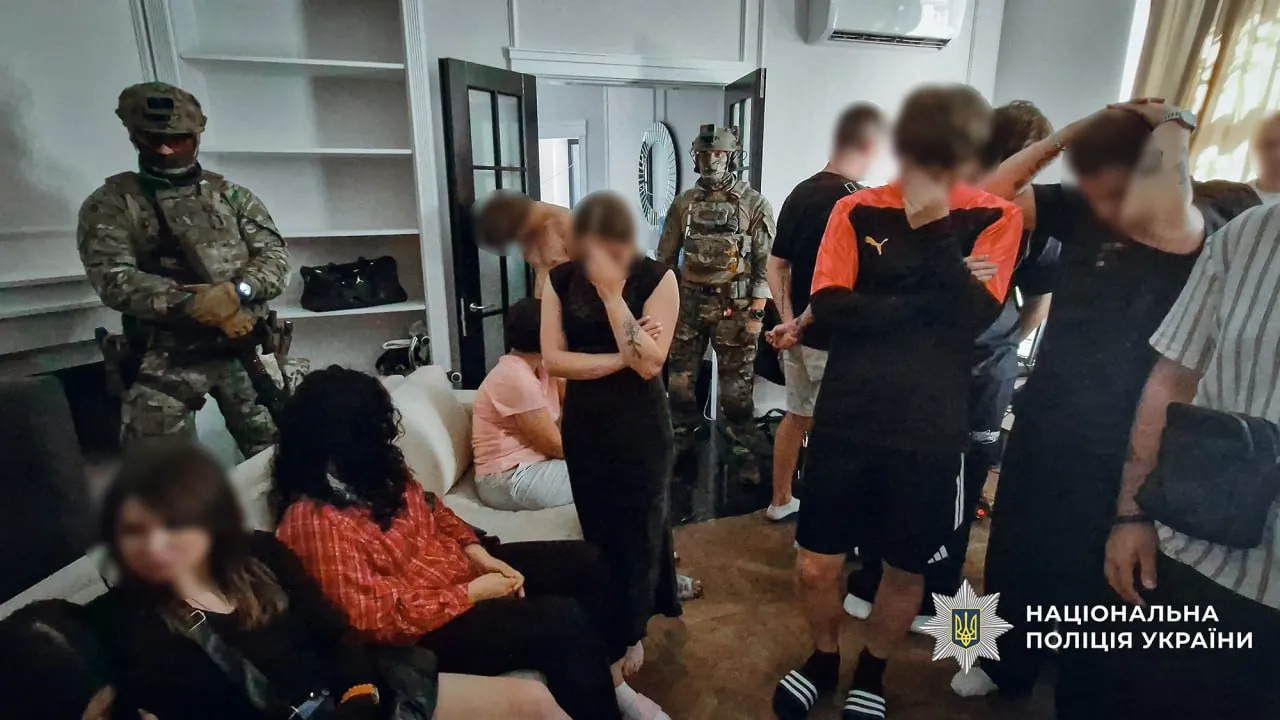
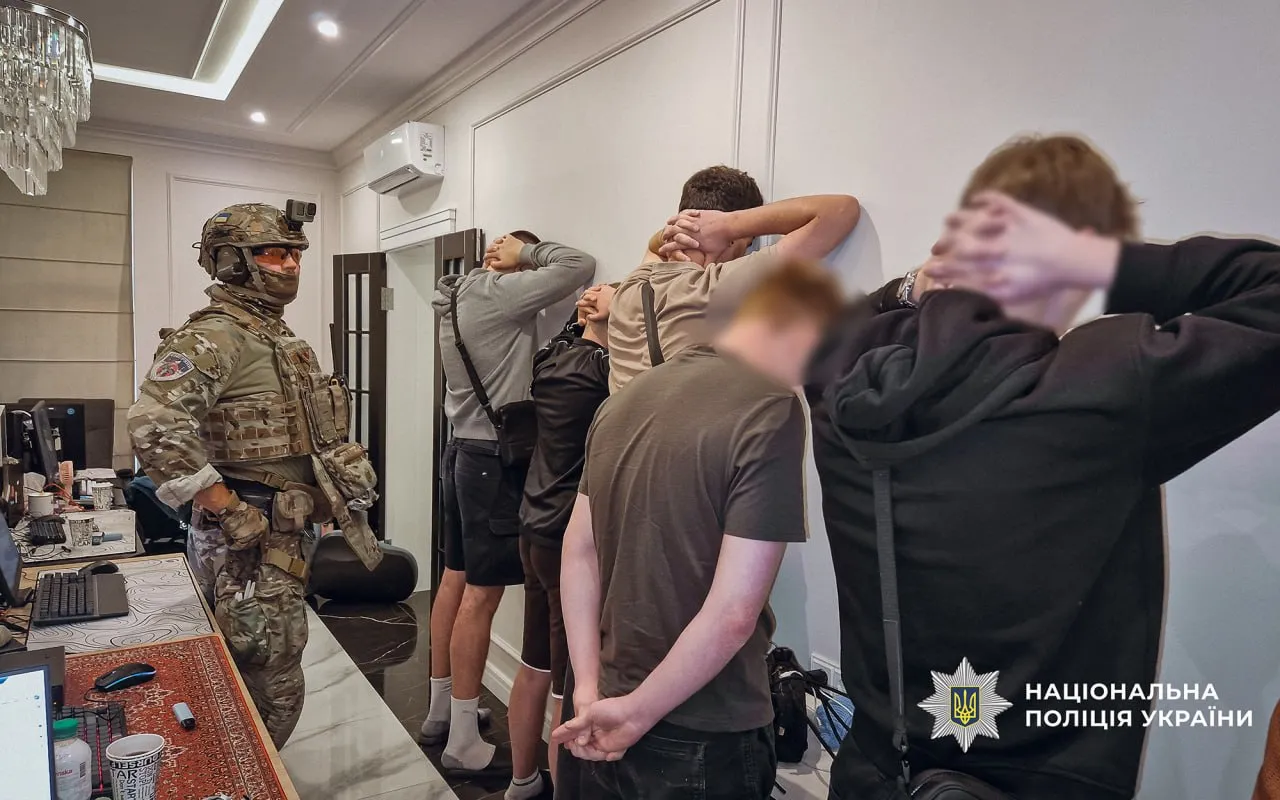
In August 2026, Prosecutor General Ruslan Kravchenko reported on a large-scale operation against fraudulent call centers. Officers from the National Police, the Security Service of Ukraine (SBU), and the Office of the Prosecutor General conducted over 400 searches, shut down 94 call centers, and uncovered 1,794 workspaces set up for fraudsters.
During the operation, law enforcement officers seized more than 3,330 pieces of computer equipment, 1,346 phones, more than 5,200 SIM cards, and 90 bank cards, and also gained access to 20 crypto wallets and 22 vehicles.

In addition, approximately $2 million, €64,000, cash in hryvnias, bank-held gold, jewelry, and luxury watches from Rolex, Cartier, Rado, and Certina were seized.
Law enforcement officials also inspected 867 addresses where fraudulent call centers may have been operating and identified 67 financial instruments linked to criminal activity, including bank accounts, crypto wallets, and drop boxes. At that time, 26 suspects had been notified of the charges against them.
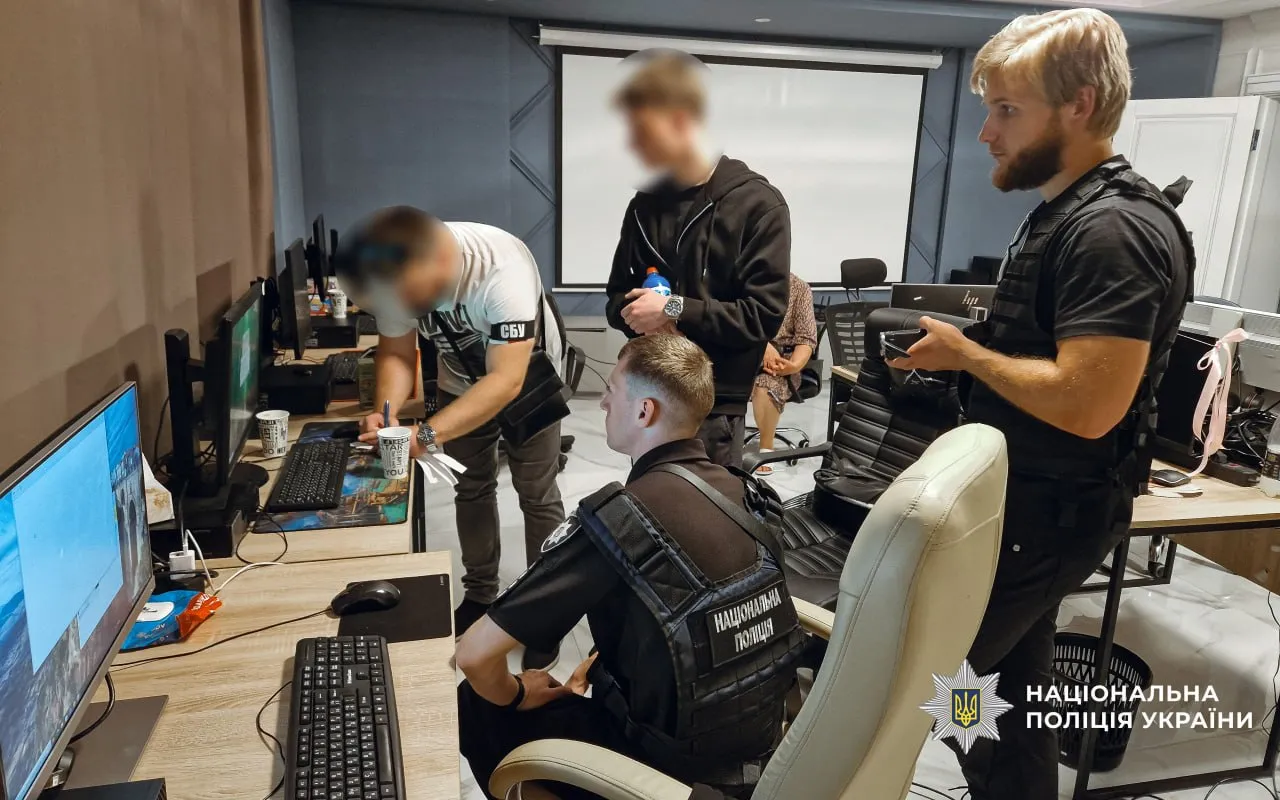
Just a few weeks later, on September 1, the National Police reported the dismantling of a network of fake cryptocurrency platforms that had defrauded citizens in more than 20 countries. The investigation identified 62 victims, and the organizer recruited more than 46 Ukrainians into the scheme and set up several fraudulent offices in Kyiv and the surrounding region.
The scammers created websites that mimicked legitimate investment platforms. The victim’s account dashboard allegedly showed an increase in their capital. When a person tried to withdraw money, they were forced to connect their main crypto wallet and perform a “test” transaction. After that, a special malicious mechanism—a so-called “drainer”—was able to drain the crypto assets.
Law enforcement officials found data on the victims, crypto wallet addresses, the amounts of stolen assets, and internal correspondence in the criminals’ databases. The victims included citizens of Germany, Poland, Lithuania, Latvia, Spain, France, the United Kingdom, Canada, Israel, and other countries.
A Multi-Billion-Dollar
Criminal Industry
Telephone fraud has long since become a cross-border criminal industry that combines social engineering, IT, cryptocurrencies, psychological manipulation, and money laundering. And it is in Ukraine that an entire ecosystem of fraudulent call centers has formed and grown strong, targeting citizens of dozens of countries around the world.
The reasons behind the growth of this criminal phenomenon in Ukraine were studied by the international non-governmental organization Global Initiative Against Transnational Organized Crime (GI-TOC), which investigates global organized crime, its networks, and its impact on the security, governance, and development of countries.
According to GI-TOC, by 2026, the Ukrainian fraud industry could comprise approximately 1,000 call centers and up to 60,000 employees. In other words, even the largest special operation to shut down 94 “offices”—as announced by the Office of the Prosecutor General—is merely a drop in the bucket.
GI-TOC estimates the monthly revenue of such call centers in Ukraine at approximately $1 billion. And in terms of profits, this type of fraud sometimes surpasses the drug trade.
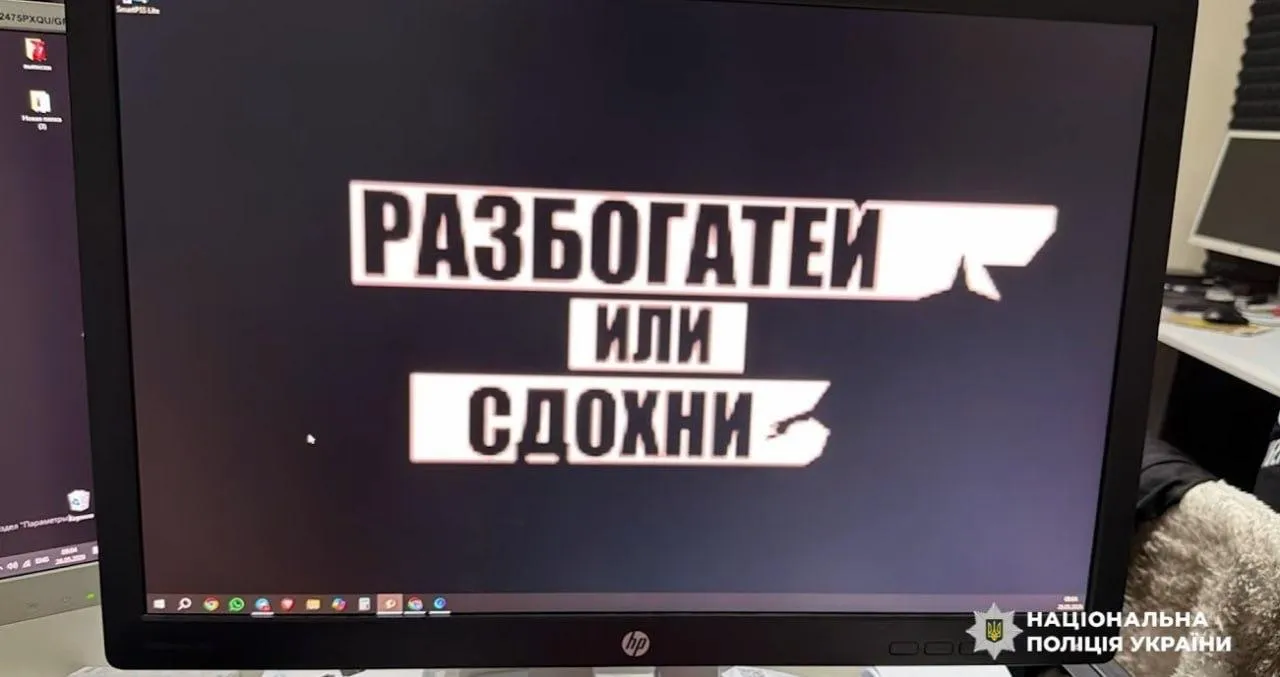
The organization also considers it telling that fraudulent call centers in Ukraine do not particularly hide their operations—they openly advertise job openings, operate in central city districts, and their buildings are well-guarded. This entire criminal industry is highly networked and has strong criminal ties. GI-TOC points out that these criminal structures apparently operate under the protection of corrupt elements within law enforcement agencies.
Scammers and Criminals
These “offices” are equipped with state-of-the-art technology and quickly change their schemes to stay “afloat.” For example, they use lie detectors to identify law enforcement officers, journalists, or other undesirable individuals among their employees. Such groups have a stable structure and a hierarchy with criminal tendencies. According to GI-TOC, most Ukrainian fraud call centers are run by various criminal groups, including the notorious Dnipro-based “Nines.”
Call centers in Dnipro have frequently been mentioned in high-profile criminal cases in recent months. They have been linked to the attempted murder of sanctioned businessman Vadym Yermolayev in Monaco, during which his son and common-law wife were wounded.
They are also linked to the case of the “Dnipro office worker”—28-year-old Dnipro native Igor Komarov, who was murdered and dismembered in Bali.

We
previously reported in detail on the actual methods of operation and recruitment used by such “offices,” based on insider information from the Telegram channel “Buddha.” This channel specializes in covering controversial topics that are often overlooked by the mainstream media.
Interestingly, even after law enforcement announced “crackdowns” against these “office workers,” the activity of this criminal business has not significantly declined. And “Buddha” continues to expose the inner workings of semi-criminal networks, drawing attention to specific locations and individuals. One of the latest stories states: “Yet another fraudulent call center in Dnipro—this time operating under the umbrella of OZU 0900. It is located at 1 Barikadna Street, on the second floor…
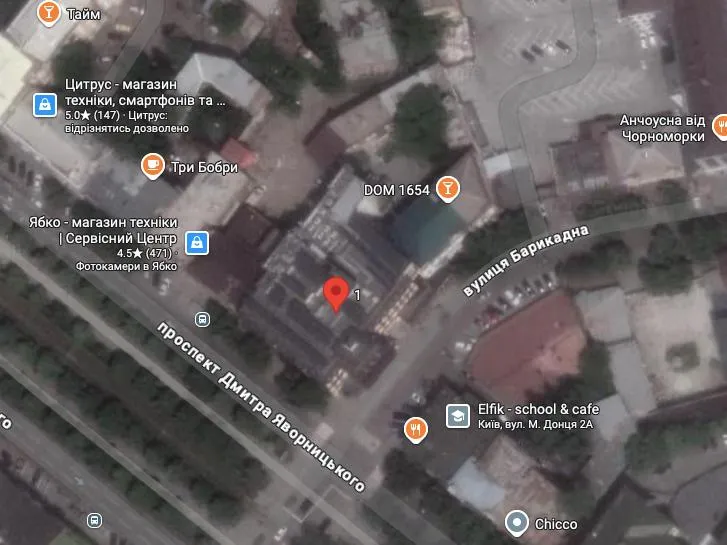
The office
manager is Yan Dzekh, a native of Dnipro… On his Facebook page, Yan states that in 2019 he graduated from Saint Petersburg State University, where he allegedly studied culinary arts. I doubt such a major exists there. Maybe he graduated from some culinary vocational school or something like that. Or maybe he just mentioned a Russian university for “status.”
He listed his place of employment from 2016 to 2019 as the “Villa Alina” hotel in occupied Alushta. Yan writes that he worked there as a head chef. And it was precisely in 2019 that Dzekh published the only video ever on his YouTube channel, titled “Cooking in Crimea.” In the video, Yan—as an employee of “Villa Alina,” which operates in Russian-occupied Crimea—teaches viewers how to make a salad. However, he refers to himself not as a head chef, but as a “crazy cook.”
It should be noted that the authors of the Telegram channel are calling on the National Police and the SBU to verify the published insider information in order to prevent the further spread of this type of crime, which is affecting an increasing number of Ukrainians.
After raids, the “offices” reopen
Call centers are structured in such a way that managers are often as far removed as possible from the operators’ day-to-day work. Therefore, the seizure of equipment and the detention of some staff do not destroy the entire network.
After raids, the “offices” often resume operations, as they typically have the protection of high-ranking officials in government and law enforcement agencies. The GI-TOC report notes that in some cases, the cost of such protection can amount to $10,000–15,000 per month.
Perhaps one of the most scandalous incidents involving an attempt to provide “protection” for fraudulent call centers involved Member of Parliament Mykola Tyshchenko. The National Anti-Corruption Bureau stated that in August 2023, the MP—under the guise of combating the activities of so-called “offices”—demanded over one million dollars in illicit benefits.
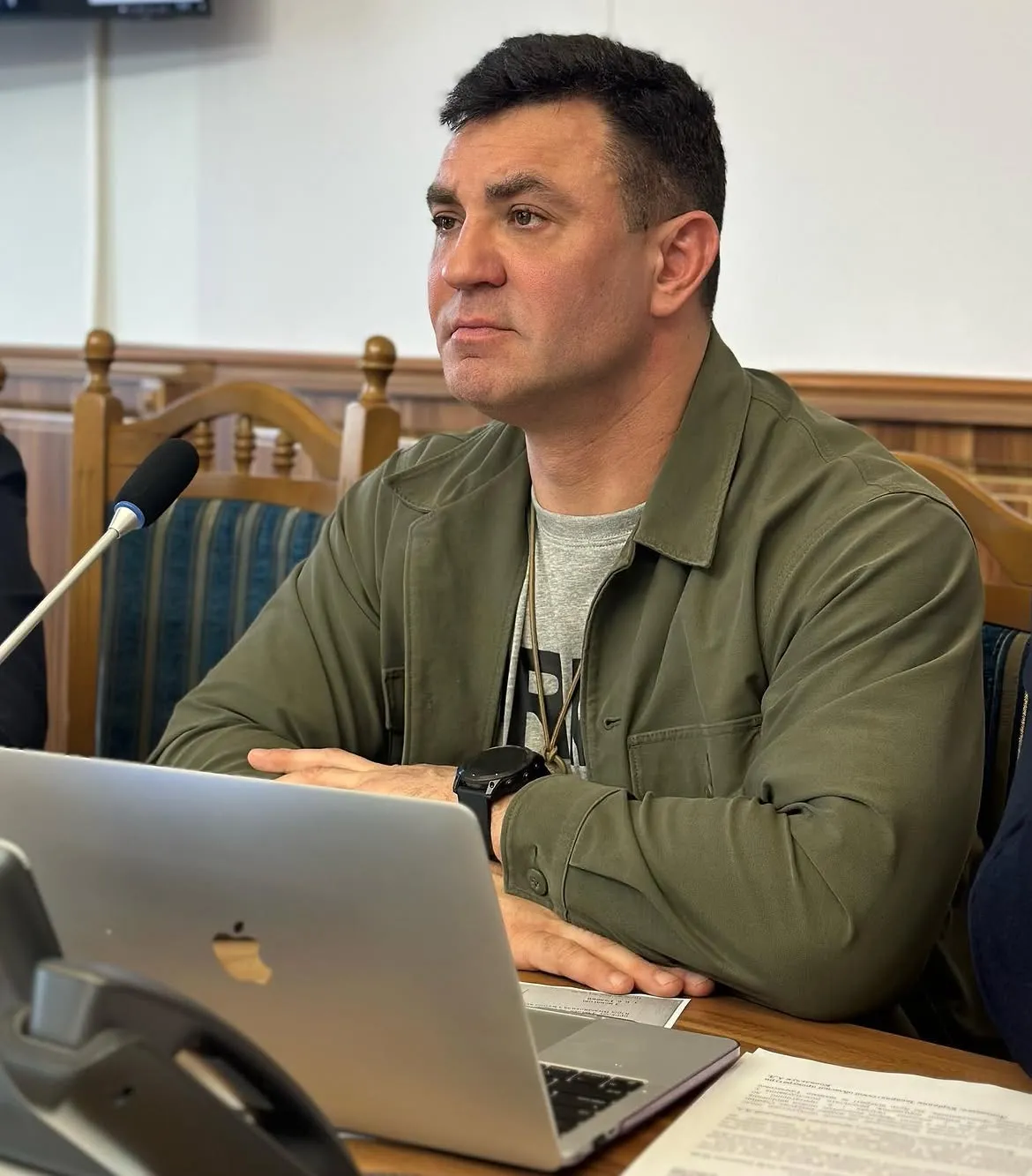
“In exchange, he promised to use his authority to interfere with the operations of certain ‘call centers’ in the interests of this individual and not to obstruct the work of others. However, he did not receive the illicit benefit,” the NABU statement said.
There is another factor that is making traditional raids increasingly less effective. Call centers are gradually changing their very business model. GI-TOC has observed a trend toward shifting from large offices in business centers to a more decentralized structure. Some operators may work from industrial or warehouse facilities, where employees are transported centrally to their shifts. In other cases, operators work from home.
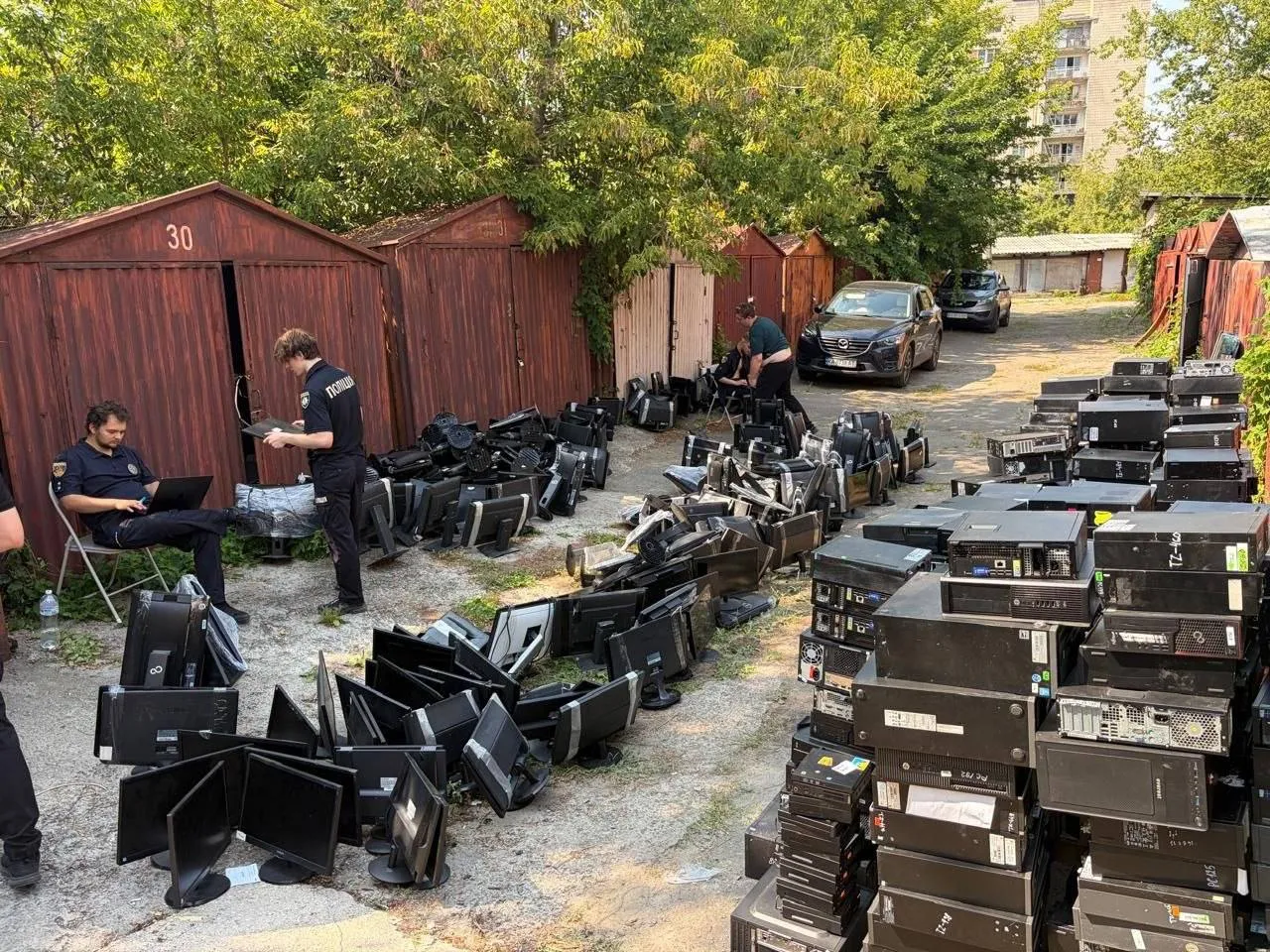
The study also mentions remote work and the use of AI tools. This poses a fundamental challenge for law enforcement. Previously, to shut down a fraudulent operation, it was enough to find the address, conduct a search, and seize hundreds of computers. But what if, tomorrow, 200 operators are working from 200 different apartments?
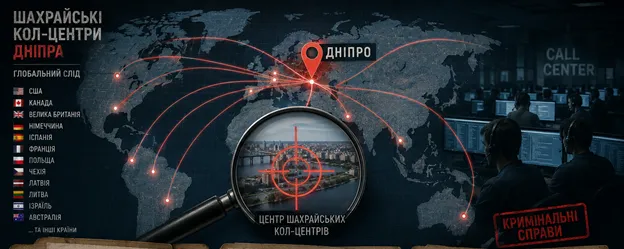
Another reason for the resilience of the fraud industry is globalization. Ukrainian call centers and their associated networks target citizens of more affluent countries, including the Czech Republic, Latvia, Poland, Romania, Canada, and the United States. At the same time, the international nature of the crime serves as an additional layer of protection for the organizers. The victim may be in one country, the operator in another, the server in a third, and the money may pass through cryptocurrency wallets and accounts in several other jurisdictions.
In such a scheme, even the arrest of a Ukrainian operator does not necessarily lead to the organizer. Cross-border investigations can last for years, and the arrest of suspects does not always result in a conviction.
What the New Law Could Change
The effectiveness of the bill submitted by the president will be determined by how many organizers and financial beneficiaries are actually identified, convicted, and stripped of their assets.
However, given the billions of dollars that call centers “generate” and the corrupt patronage that may extend all the way to the highest-ranking officials, some members of parliament remain skeptical about this possibility for now.
“These call centers are well known. They operate more or less openly, and they ‘pay off’ Ukrainian law enforcement officials for ‘protection.’ Sometimes it reaches the point of absurdity. Raids are conducted just for show. And the next day, this ‘office’ is back in business,” notes MP Yaroslav Zheleznyak.
The lawmaker emphasizes that international investigations have already shown that such a large-scale criminal industry can only operate “under the protection” of some law enforcement agency. And if we do not see a real fight against these crimes moving forward, then mere rhetoric and “raids for show” will signal a new phase in the redistribution of this “market.”


