
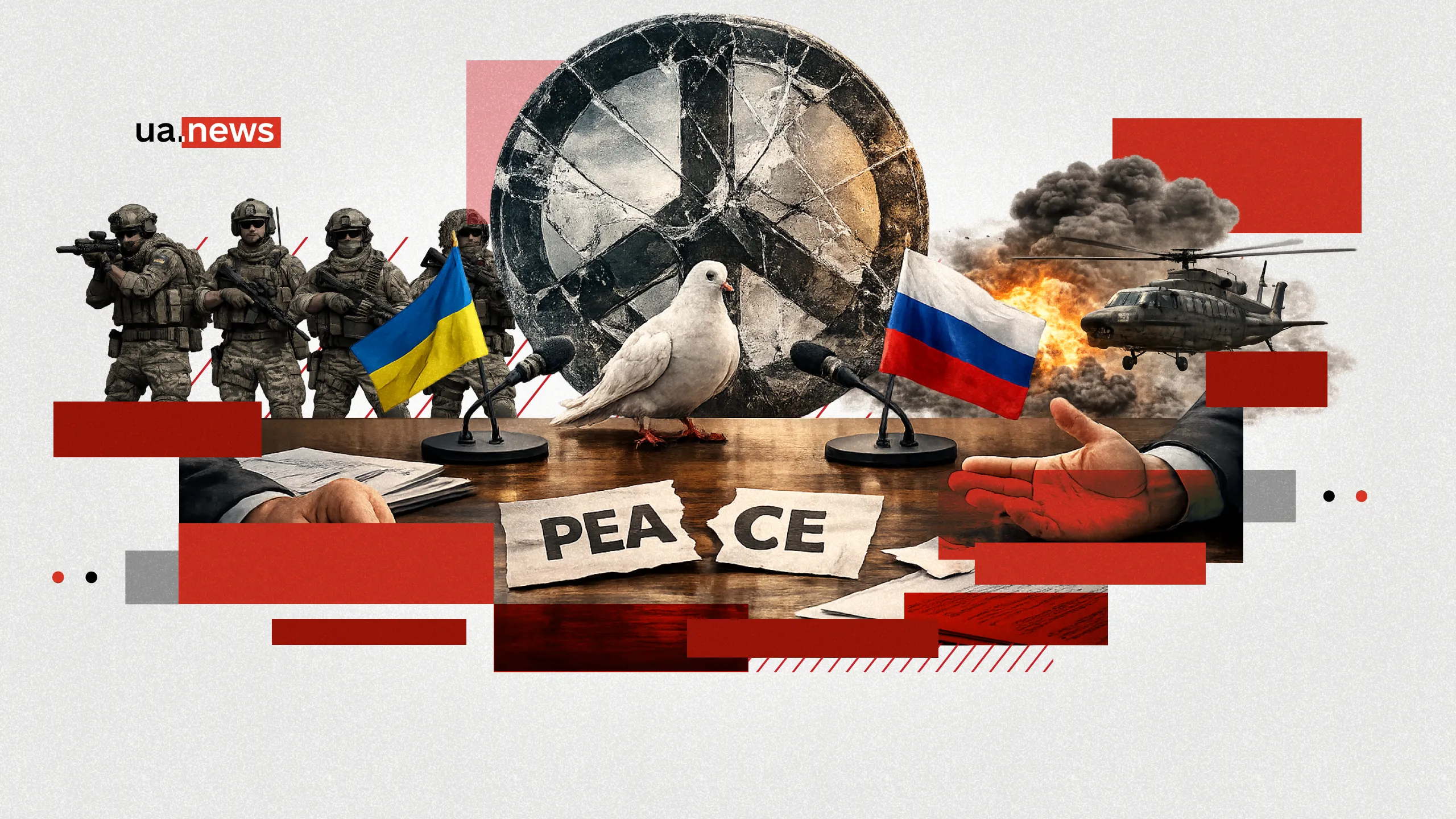
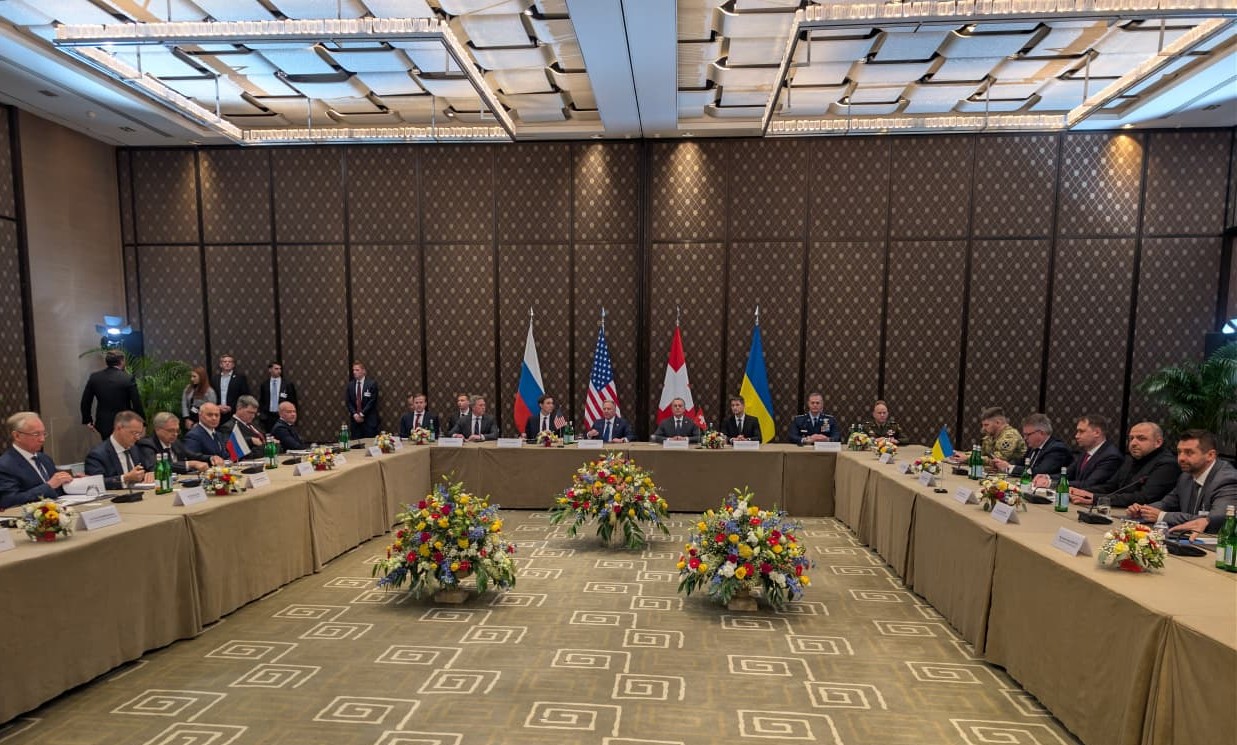
Today, Wednesday, March 18, marks exactly one month since the last round of peace talks between the Ukrainian and Russian delegations concluded in Geneva. Since then, the diplomatic process has effectively stalled. No new dates have been set, weekly meetings have been postponed indefinitely, and public statements from the parties indicate that the prospects for a peaceful settlement are becoming increasingly remote.
Over the past month, several significant events have taken place that have radically altered the context of potential negotiations. A new large-scale war in the Middle East, another sharp shift in Washington’s rhetoric, Moscow’s massive economic gains from the oil crisis, and the dispersion of international attention—all of this adds up to a broader picture of an emerging world order where Ukraine finds itself, to put it mildly, in a less-than-ideal position.
What is currently happening with the peace process, why has it come to a complete standstill, and what does the future hold for it? UA.News political analyst Mykyta Trachuk, together with experts, examined the issue.
The Geneva Stalemate
On February 18, a meeting took place in Geneva—one for which high hopes weren’t exactly pinned, yet it was still important and necessary. The trilateral format, with the participation of the U.S., lasted two days. The parties traditionally gave a positive assessment of the progress and hinted that, eventually, diplomacy might finally work and offer Ukrainians at least some hope for the long-awaited peace. But a month has passed—and since then, not a single step forward.
Why has this process stalled? The answer is obvious: the war in Iran. The entire foreign policy apparatus of the United States, the full attention of the White House, Congress, and the Pentagon has shifted to the Middle East. Ukraine, which just a month ago was the main topic in the global media, has receded to the background—if not to third place.
The talks in Abu Dhabi scheduled for early March were first postponed under the pretext of “coordinating schedules,” and then rescheduled indefinitely due to the objective situation: The UAE is facing regular attacks from Iran, and talking about peace in Ukraine under such conditions would be outright surrealism even for our not-so-sane world. Eventually, new rounds of talks were simply no longer mentioned. As of today, neither side has even suggested a potential date for a new meeting.
The situation is complicated by the fact that the U.S. had previously offered to host the next peace talks on its territory. Ukraine agreed immediately. The Russian side refused, citing security concerns. For diplomacy, this is a classic dead end: when the parties cannot even agree on such minor details as the venue, there is no point in talking about substantive negotiations.
Kyiv’s “Bad Premonitions”
In a recent interview, President Zelenskyy outlined Ukraine’s perspective on the situation. His assessment is quite bleak and alarming.
“I have very bad premonitions regarding the impact of this war on the situation in Ukraine. America’s focus is more on the Middle East than on Ukraine, unfortunately. That is why you see that our diplomatic meetings, trilateral meetings, are constantly being postponed. And there is only one reason—the war in Iran,” he stated.
It is worth noting that earlier, just a few days before the start of the U.S.-Israeli airstrikes on Iran, the Ukrainian president stated that he fully supported the operation against the Ayatollah regime. However, his position has now changed. Zelenskyy also reported that despite the absence of official rounds, some contacts at the negotiators’ level are continuing. But they concern mainly technical issues, rather than a political settlement.
It is important to note: the Ukrainian side is publicly demonstrating its full readiness for dialogue. Kyiv has agreed to any date and any venue for negotiations—except, of course, the territory of Russia or Belarus. But this readiness is met with Moscow’s unwillingness to compromise even on procedural matters.
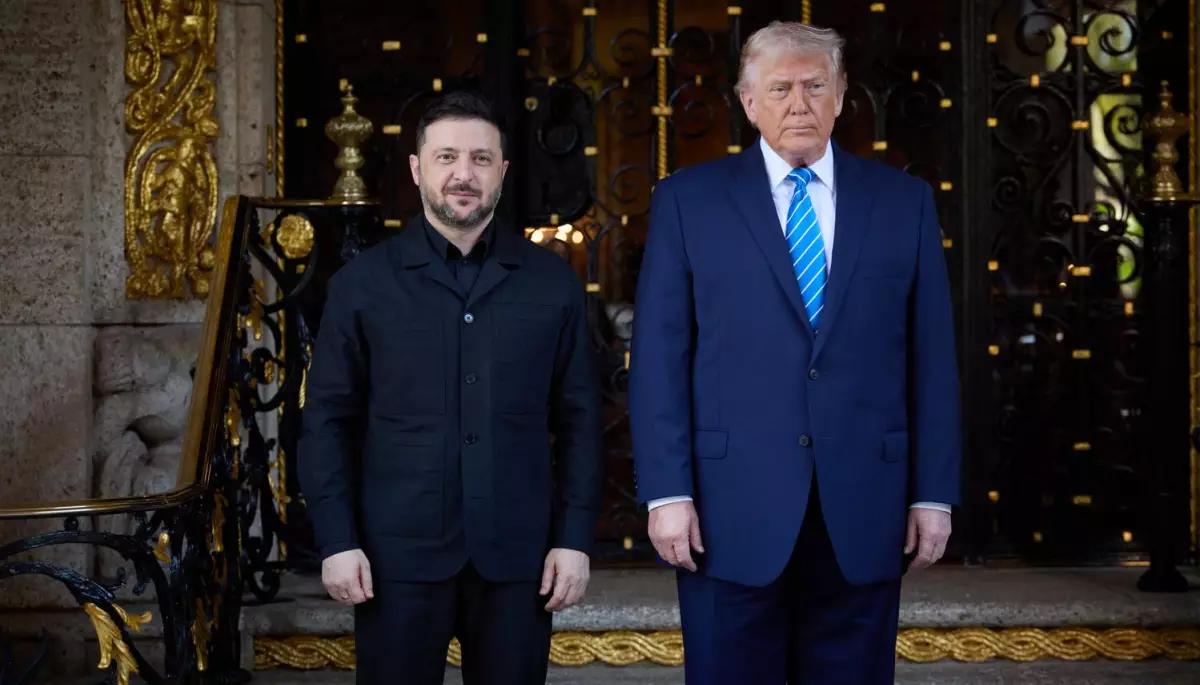
A separate factor that significantly influences the prospects for negotiations is the position of the U.S. president. While Trump previously acted as an initiator of the peace process, his rhetoric has recently shifted.
First, Trump is increasingly repeating the claim that Ukraine itself is the obstacle to achieving peace. Recently, he has stated at least twice, directly and publicly, that “Zelenskyy does not want to sign an agreement.”
Second, Trump recently made another statement regarding previously allocated U.S. aid to Kyiv. He insists on an audit of all funds sent to Ukraine. The U.S. president also reiterated that America should not assist the Ukrainian state in any way.
Third, the American leader firmly rejects any attempts by Zelenskyy to “befriend” the U.S. and be a useful partner. For instance, Kyiv offered Washington assistance and cooperation on drone technologies (countering “suicide drones,” manufacturing interceptor drones, etc.). Trump sharply rejected this, stating that “Zelenskyy is the last person from whom we need help.” Instead, the Republican once again urged the Ukrainian president to “strike a deal.”
“We don’t need help. Zelenskyy is the last person from whom we need help... I’m surprised that Zelenskyy doesn’t want to make a deal. Tell Zelenskyy to make a deal, because Putin wants to make a deal,” Trump recently stated.
As they say, there’s nothing more to add.
Russia as the Key Beneficiary of the Crisis
While Ukraine faces increasingly severe difficulties, Russia finds itself in the role of the main beneficiary of the events currently unfolding. The war in Iran has created a unique situation for Moscow, allowing it to strengthen its position in several areas at once.
Due to the escalation in the Middle East, oil prices have skyrocketed. It is worth noting that the Russian budget depends on energy exports for 30–40%. This provides the Kremlin with additional billions that can be directed toward waging war against Ukraine. Furthermore, the U.S. recently partially lifted sanctions on Russian oil that had already been shipped, which in itself is a significant and dangerous precedent.
Vladimir Putin may well offer—and is already offering—himself as an active mediator in resolving the Iranian crisis. The Kremlin is one of the closest partners and allies of the Ayatollah regime, and in this way, it is attempting to regain its status as a global player that determines the “fate of the world.”
Finally, Russian propaganda actively highlights the West’s objective double standards. The U.S. and Israel began bombing a sovereign state that had not attacked them, without UN authorization, targeting its top leadership on the very first day. The fact that this state is autocratic, frankly unpleasant, radical, and aggressive is a matter of moral and ethical judgment, not a legal issue under international law.
Clinging to this fact, propagandists ask: “If the Americans can bomb Iran, why can’t we bomb Ukraine?” This narrative resonates both among Russians and in the Global South, gradually eroding the moral advantage Ukraine held at the start of the war.

Exchanges Instead of Peace
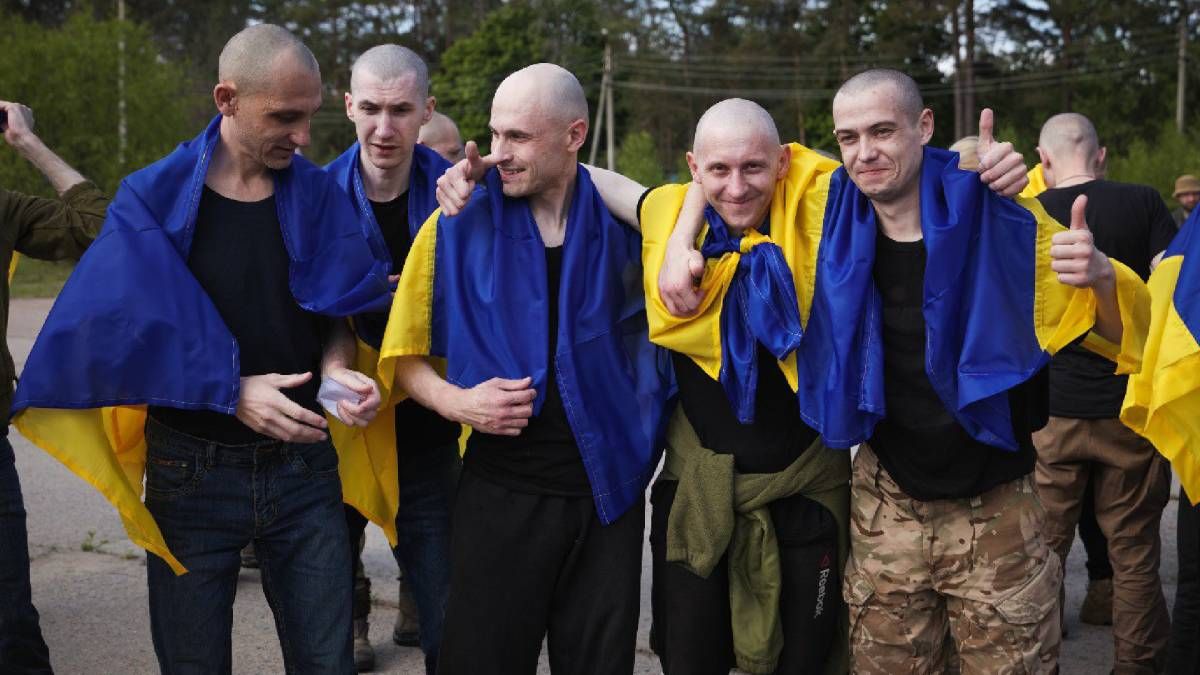
The only thing that continues to happen between Ukraine and Russia on a regular basis is prisoner exchanges. Over the past month, several exchanges have taken place, and hundreds of defenders have returned home. This is very positive and important for those waiting at home for their loved ones. But we shouldn’t delude ourselves and must understand the nature of these exchanges: they take place outside the political negotiation process. This is purely technical work by non-public humanitarian subgroups, which has continued throughout the war, even during its most intense phases. Exchanges in and of themselves are a very good thing, but they are by no means an indicator of progress toward a peaceful settlement.
Moreover, the very fact that the parties can agree on the return of people but cannot sit down at the negotiating table to end the war indicates a deep crisis in diplomacy. Technical issues are being resolved, while political ones remain frozen.
Why has the issue of peace disappeared from the agenda altogether? The answers are obvious. First, global attention has shifted to the Middle East. The global energy crisis poses a far greater threat to the international community than the war in Ukraine, which has been going on for five years now and to which everyone has grown accustomed. Second, the United States has been and remains the main driver of the negotiations, and it simply has no time for this right now. Neither Russia nor Ukraine wants to engage in direct bilateral talks, and Europe lacks both the political clout and the desire to replace America in this process.
Third, Russia sees no reason to compromise. Moscow benefits from high oil prices, sees waning attention on Ukraine, and believes time is on its side. Why should it make concessions in such a situation? The question is rhetorical. Finally, fourth—this works both ways. The parties’ positions remain irreconcilable, and Ukraine is also unwilling to make territorial compromises. Given all this, even the pretense of negotiations literally loses its meaning.
Expert Opinions
Political scientist and director of the Institute of World Policy, Yevhen Magda, is certain: at this point, there is no way to talk about a rapid negotiation process.
“We find ourselves in a situation where Ukraine depends on the position of the United States, and the United States is bogged down in the war in Iran. This indicates that the Trump team, unfortunately, does not even have the technical capacity to play on multiple fronts simultaneously. And so it will try to first wrap up its affairs in Iran and only then move forward. It is difficult to say at this point how successful or effective this will be, but for Ukraine, this will be a serious challenge and yet another reason to realize that we must rely first and foremost on ourselves. Because if we do not do this, we will be critically dependent on our foreign partners and their influence,” the expert noted.
Political scientist and head of the Penta Center for Applied Political Studies, Volodymyr Fesenko, believes that only one thing is happening around the negotiations: a pause. It can also be interpreted as a “stagnation” or a “crisis.”
“Zelenskyy attributes everything to the war in Iran, and that’s a very convenient explanation. But the reason lies not only in the war in the Middle East, but also in the fact that the parties are taking diametrically opposed approaches to the conditions for ending the war. There is nothing new here, but there were some hopes, primarily among the Americans, regarding the withdrawal of the Ukrainian Armed Forces from Donbas. But all rounds of talks have shown that this isn’t working. That is why this lull has arisen. The Americans don’t yet know what to do or how to proceed, while Russia is standing its ground. The U.S. is putting pressure not on Russia, but on Kyiv. As soon as this became clear, Zelenskyy changed his approach, and his position became tougher: troops will not be withdrawn from Donbas, period. Once this position became clear and unambiguous—that was it—the crisis began. The fact that the war in Iran began almost simultaneously is more of a coincidence. The main reason is the absolute opposition of the parties’ positions. However, negotiations will most likely resume. It is only a matter of time. But I do not see any prospects for agreements in the coming months. Perhaps a window of opportunity will open closer to the fall of 2026,” said Volodymyr Fesenko.
In summary, the situation Ukraine finds itself in as of March 2026 is extremely complex. The peace process has stalled, and there are no signs of its resumption in the near future. The world’s attention is focused on another conflict, the U.S. is embroiled in its own war, and Russia is growing increasingly confident.
So when President Zelenskyy speaks of “bad omens,” he is right. These very “bad omens” have been haunting the country for many years. However, omens reflect emotion. The facts, however, show that diplomacy has indeed reached a complete dead end. And until new factors emerge that can change this situation, unfortunately, there is no point in talking about peace.


