
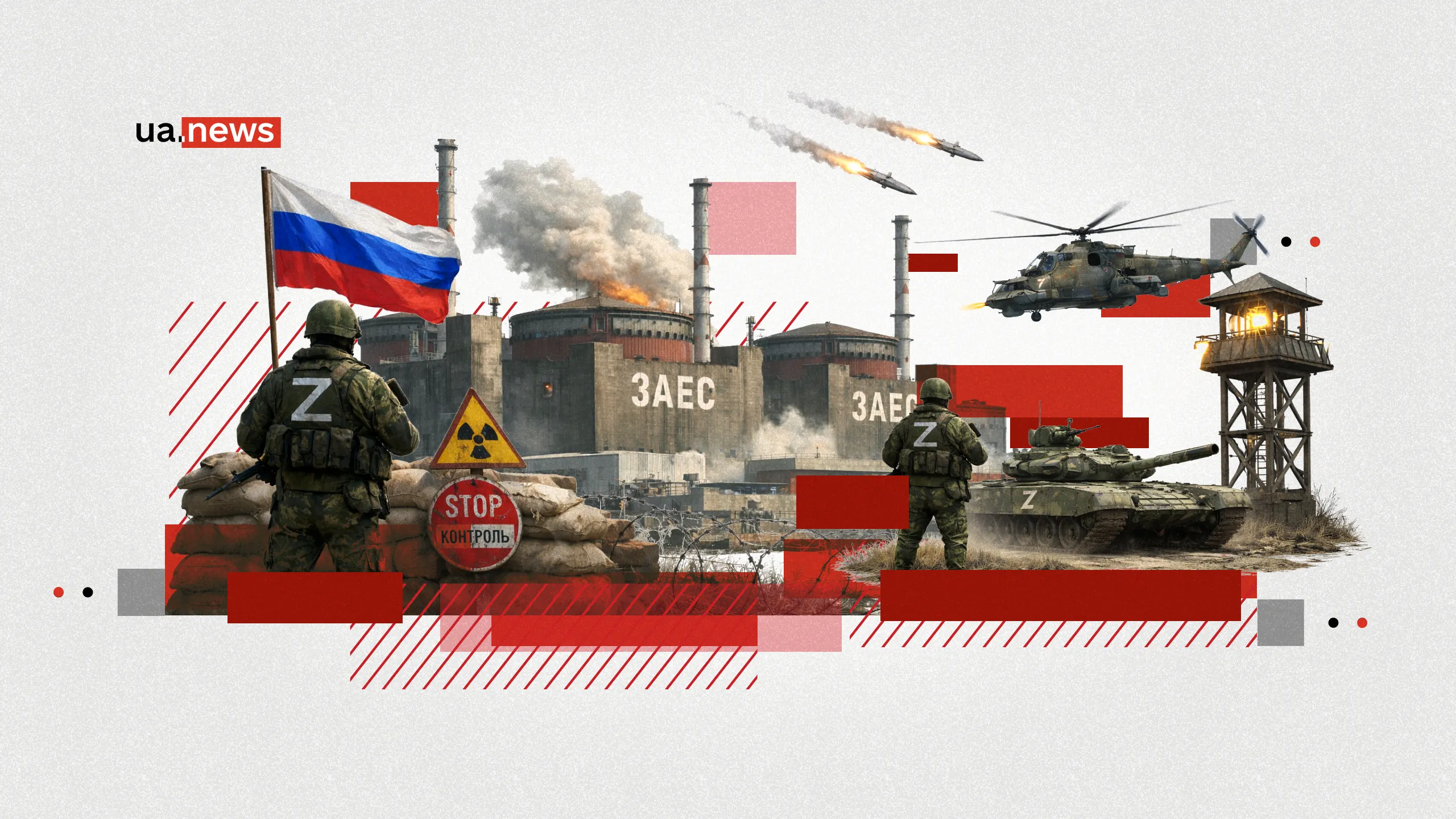
The Zaporizhzhia Nuclear Power Plant — incidentally, the most powerful in Europe — has long transformed from an energy giant and a symbol of peaceful nuclear power into the epicentre of an unprecedented military-technological crisis. Since March 2022, it has been under Russian occupation, and questions about its fate, as well as attempts by the occupiers to integrate the facility into their own energy system, have caused serious concern in both Ukraine and Europe.
Regular statements by Russian representatives continue to appear, claiming intentions to “connect the plant to the Russian grid.” Recently, these statements have been accompanied by unusual activity on the ZNPP site, as reported, among others, by analysts at the Institute for the Study of War (ISW) in their latest reports.
However, reality is far from the propagandistic statements and whims of the Russians. The plant is currently in a critical state, and its technical restoration is an extraordinarily complex — and under current conditions, almost impossible — task. Energy experts often emphasise that even if ZNPP were immediately returned under Ukrainian control, it would not be possible to simply “switch it on,” and in peacetime conditions, the preparatory work alone would take at least one to two years.
So, what is the current condition of the Zaporizhzhia NPP, and can the Russians connect it to their own grid? Details are provided below from UA.News.
“Cold Shutdown” and infrastructure damage
At present, ZNPP is in a state referred to by specialists as a “cold shutdown.” This means that all six power units have been taken offline, but to maintain safety and prevent the melting of nuclear fuel, it is necessary to continuously cool the spent fuel pools and reactor cores. This task primarily falls to emergency diesel generators and the remaining external electricity supply, which is constantly interrupted due to shelling.
Each such power outage represents a step toward a potential nuclear disaster. That is why ceasefire regimes around ZNPP are regularly announced with the involvement of the IAEA, and “quiet days” are used to repair power lines.
The physical condition of the plant’s infrastructure has deteriorated catastrophically over the past four years. Reports indicate damaged auxiliary buildings, transformer substations, and communication systems. Some critically important equipment, including elements of control and safety systems, has been either dismantled by the occupiers or completely destroyed.
Another crucial factor is the loss of qualified personnel. Ukrainian specialists who remain at the facility are working under pressure from Russian military personnel. Many were arrested or forced to leave their posts. These positions have been filled by inexperienced Russian specialists who are unfamiliar with the specific features of the Zaporizhzhia plant, which greatly increases the risk of mistakes that cannot be afforded.
IAEA missions regularly record numerous breaches of safety protocols. The plant is, in essence, barely maintaining its vital functions, constantly on the brink of a technological catastrophe.

Technical obstacles: why it is impossible to simply “switch on” ZNPP
The idea of quickly starting up a massive nuclear power plant after a long shutdown in wartime conditions is essentially science fiction. A full-scale NPP start-up is not like starting a car with the turn of a key or flicking a light switch. It is an extremely complex, multi-stage procedure that requires months of preparation even in stable conditions.
After years of “cold shutdown,” the reactors require a complete inspection of hundreds (!) of components in the safety, control, management, and power supply systems. One of the key limitations is the state of the nuclear fuel. Fuel assemblies have strict operational terms and regimes that have long been violated. Some of the fuel may need to be replaced, and the process of unloading, transporting, and loading fresh fuel is one of the most critical and dangerous operations. Handling nuclear fuel is impossible without the full set of specialised equipment and certified personnel.
While Rosatom possesses all the necessary technological resources and experience, there is no evidence that Russia has on-site the technical materials and established logistics required to carry out such operations at a foreign plant.
Furthermore, the ZNPP control and protection system is fully integrated into the Ukrainian energy system. Its technical “reconnection” to the Russian system, with different parameters and protocols, requires deep hardware and software upgrades, which cannot be done quickly or without the risk of failures. Any rushed attempt could trigger automatic protection systems, leading to another emergency shutdown or uncontrolled damage to the reactor cores.
Even if all technical barriers could theoretically be overcome, there remains a decisive factor that makes any start-up plans impossible: the intense military activity around the plant. ZNPP is de facto on the front line, in a zone of constant artillery shelling, mortar, and missile strikes. Explosions occur around the reactors, damaging buildings and increasing the risk of a direct hit on critical infrastructure.
Under such conditions, neither planned maintenance nor complex start-up procedures can be conducted. Every specialist at the site works under threat. Any repair team or cargo could be destroyed en route. Stable external electricity supply, essential for any work, is absent. The concept of a safety “exclusion zone” around the plant, mandatory according to the IAEA, has been violated. Starting a reactor under these circumstances would be an act of irresponsibility bordering on madness — which is surprising even for the Russian side: whoever they are, they are certainly not suicidal and would not want to trigger a nuclear catastrophe in which they would be the first victims.
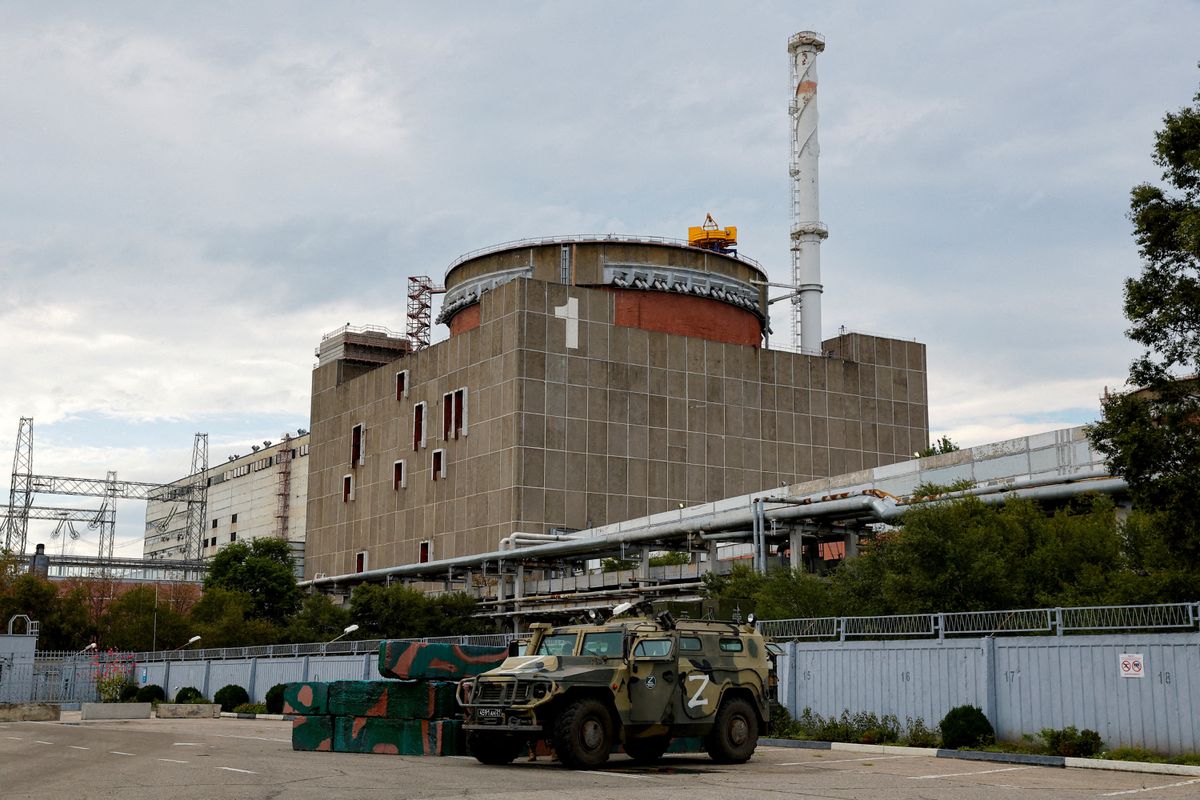
Can Russia start ZNPP?
Any statements about integrating ZNPP into the Russian system should primarily be viewed through the lens of an information-political campaign if made by Russian representatives. If Western analysts comment on this, they may slightly overestimate the situation.
From a practical perspective, the Russian Federation currently lacks the technical, logistical, and personnel capabilities to quickly start ZNPP. All documentation, management, and support systems are in Ukrainian or adapted to Ukrainian standards. Even if the Russians bring in their own equipment, integrating it into the plant’s existing architecture without the participation of the original suppliers would be extremely difficult.
The actual activity of the occupiers at the plant is likely limited to maintaining a minimal level of safety to avoid a catastrophe (in which they would, of course, be the first to suffer) and perform demonstrative visits for propaganda footage. Any real start-up operations would require massive involvement of specialists and suppliers, which is impossible during an active war.
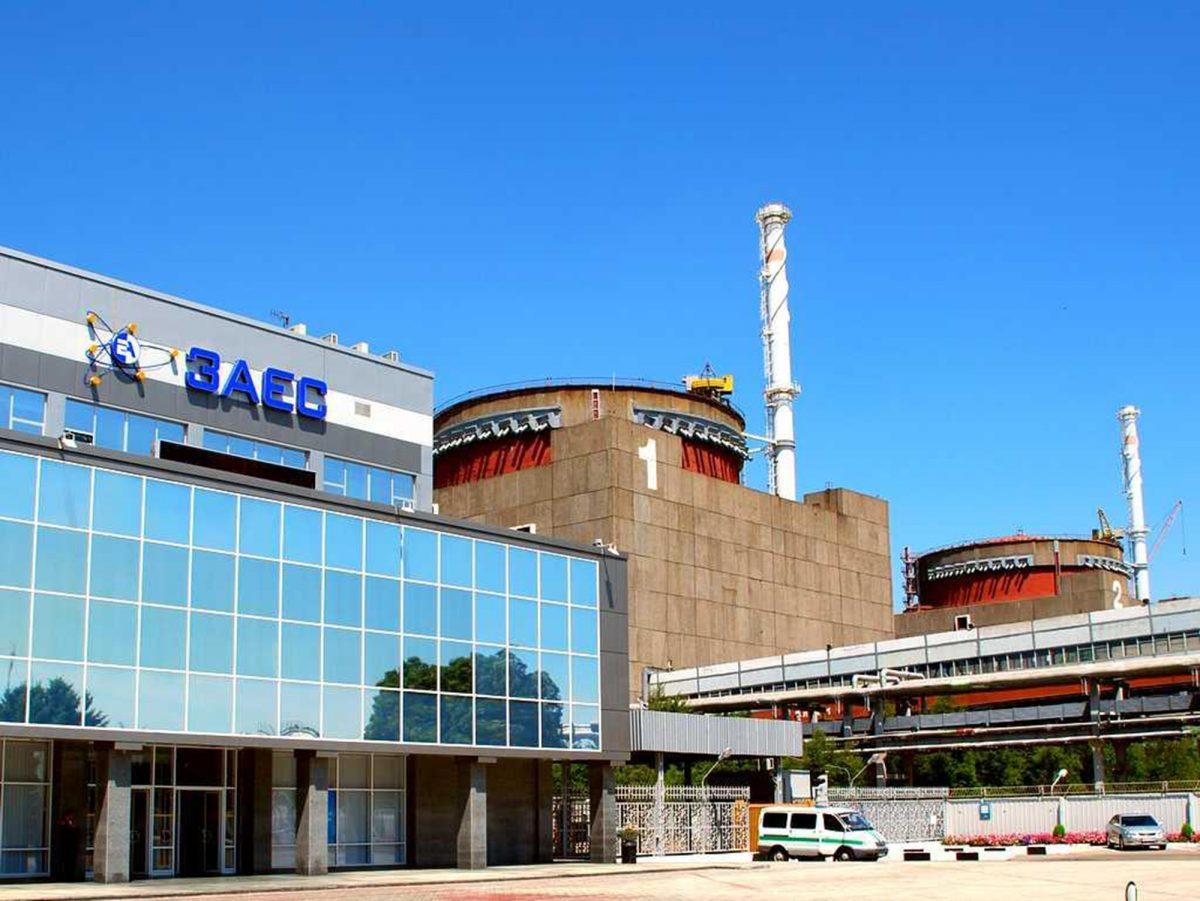
Expert opinion
Senior electrical engineer Serhiy T. dedicated many years to working at ZNPP. He was on duty at the plant when the war broke out on 24 February 2022. His team quickly evacuated, and within a few days the facility was seized by Russian forces. The expert spoke directly about the current state of ZNPP and the possibility of its start-up by Russia:
"Can it [ZNPP] simply be taken and started? It’s a complex question. First of all, all the equipment has been idle for four years. Nothing like this has ever happened before. How it will all work — nobody knows. There is a cooling pond, and for one unit, theoretically it might be enough. But if they start trying to spin things up, we will cut off the power supply. They draw electricity from our southern substations and elsewhere, but we can adjust this. If they try to connect anywhere, we can simply destroy that substation. And everything will be delayed again for a long time.
There is also backup power at the plant, but it comes from Ukraine, and we can destroy it at any moment. There are diesel generators too, as backup. But remember there was a major scandal because generators can only run for a few days, whereas the Russians used them for several weeks. That’s an emergency situation.
Reactors currently in “cold shutdown” could be restarted. They might find some specialists, that’s a problem, but solvable. The main issue is licensing from Russian Rosatom. No one in the world has ever captured a nuclear plant and licensed it as Russian! There are also automatic process control systems, which are different here than in Russia. In general, this plant is still of Soviet design, so on one hand, most technical details are familiar to them, but there are nuances specific to ZNPP they do not know.
There is a huge problem with the reactor cooling pond. The Kakhovka Reservoir is long gone. However, the cooling pond remains, and I believe one of the six units could just about manage. Politically, they only need to start one. They are building something like output lines, but we could destroy them at any moment. If they try to feed power anywhere from the substations, we could destroy those too. It’s a whole process: as soon as they start, we will know. It’s not done in a day; it requires lengthy preparation.
So my main point is: purely technically, over a long period, they could perhaps start one unit. Theoretically. Technically, it’s not impossible. Difficult, yes, but not impossible. However, we will never let them do it militarily, even if it comes to that. So even if all technical problems are solved in theory, the military factor remains. A few targeted strikes — not on the plant itself, of course, but on the supporting infrastructure — and they will achieve nothing. So all news about a start-up is just a fairy tale."
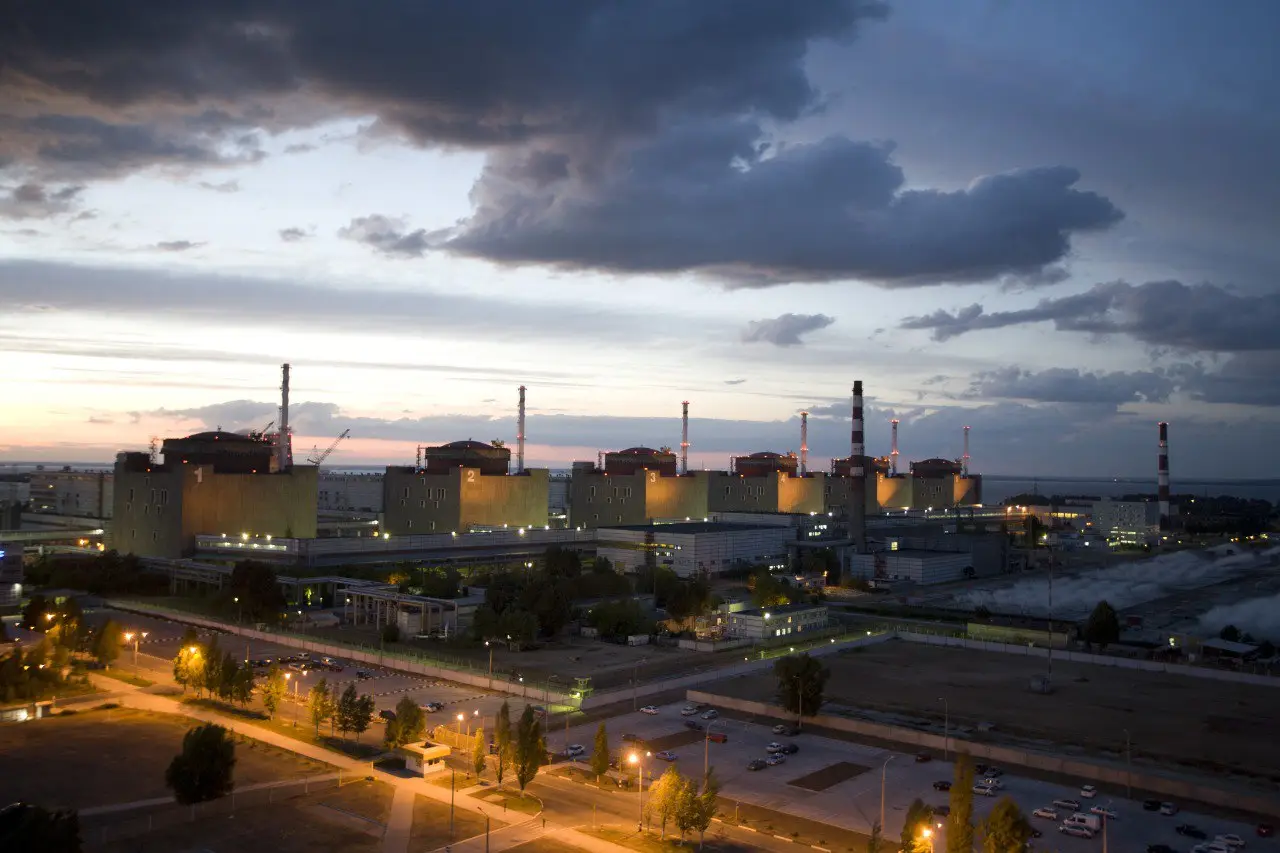
In summary, the Zaporizhzhia NPP today is a gigantic, critically wounded technological “organism” in a state between life and death. The future of ZNPP entirely depends on its de-occupation and return to Ukrainian sovereign control under IAEA guarantees. Even after this, years of hard work lie ahead.
The first step would be a complete international technical audit to assess all damage. Then, thousands of damaged components would need to be dismantled and replaced, infrastructure restored, and personnel requalified. Only after this could a regulator’s permission be sought to start the first unit.
Therefore, the answer to the main question — can Russia quickly start ZNPP in the near future — is categorically negative. The occupiers can only maintain the plant in a state of permanent crisis, threatening the safety of the entire continent. The only path to stabilising the situation is the complete withdrawal of Russian forces from the plant, the creation of a demilitarised zone, and returning the facility to the lawful control of Kyiv. While the war continues, the start-up of ZNPP is out of the question.




