
Sibiga announced a new Russian disinformation campaign
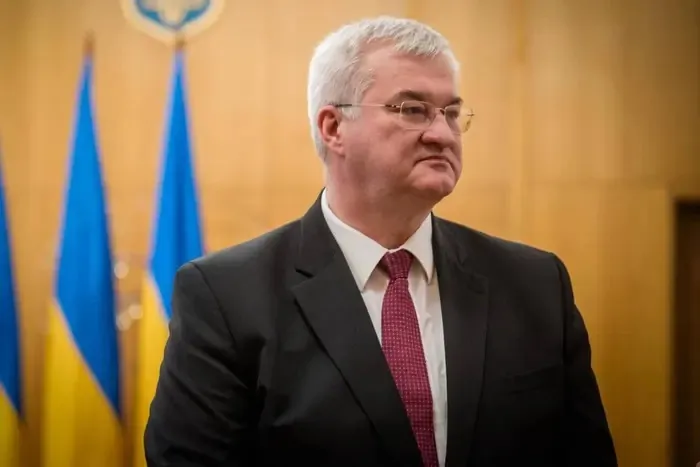
Russia has launched a new information campaign in Europe under the slogan “Russia Is Not My Enemy.” Ukrainian Foreign Minister Andriy Sibiga stated that Moscow is attempting to influence European public opinion and weaken support for Ukraine. He called on partners not to ease pressure on Russia and not to allow the Kremlin to carry out its plans.
In recent weeks, similar posts with the message “Russia Is Not My Enemy” have begun appearing in the European information space. According to the Ukrainian Center for Countering Disinformation, the campaign is spreading, in particular, on the social media platform X. Identical or very similar posts are being published in various European languages. According to Ukrainian sources, Russian diplomatic missions have also been involved in spreading these messages.
The Center for Strategic Communications also noted the synchronized timing of these posts and their similar formatting. The center believes the campaign bears the hallmarks of a coordinated information operation. This is not just about a single post. This is not the first time Russia has used such information campaigns to promote its messages to a European audience.
Previously, Ukrainian and European organizations have repeatedly reported on Russian attempts to influence public opinion in EU countries. Among the main goals of such campaigns were cited as weakening support for Ukraine, sowing division within European societies, and fostering distrust in European institutions.
What Sibiga Said
Ukrainian Foreign Minister Andriy Sibiga responded to the new campaign, stating that the sheer scale of Moscow’s efforts speaks volumes. “The very fact that Moscow is making such significant efforts to promote this message indicates two things. First, Russia is indeed an enemy of Europe. Second, the Kremlin realizes that more and more Europeans understand this,” the foreign minister said.
Sibiga also recalled statements made by Russian authorities on the eve of the full-scale invasion of Ukraine. According to him, throughout 2021 and in early 2022, Russian officials repeatedly assured that Moscow had no plans to attack Ukraine. “On the eve of the full-scale invasion—throughout 2021 and early 2022—Russian officials repeatedly assured that they had no intention of attacking Ukraine,” the minister noted.
According to Sybiga, European countries should take this experience into account when they hear new assurances from the Kremlin. “The more they deny any intention to attack other European states, the more likely it is that this is exactly what they are preparing to do,” said the head of the Ukrainian Foreign Ministry. This is merely the assessment of a Ukrainian government official. No public evidence that Russia has already decided to attack a specific European country is provided in this statement.
Sybiga called on Europe to increase pressure on Russia
The foreign minister called on European allies not to weaken their support for Ukraine. According to him, partners must continue to put pressure on Russia and assist Ukraine in order to stop Russian aggression. Sibiga believes that it is precisely support for Ukraine that can prevent Russia from carrying out its future plans.
The Ukrainian minister has previously stated that Moscow is using more than just military methods. According to him, Russia is employing cyberattacks, disinformation, election interference, and other means of pressure against Europe.
In early October, Sibiga also stated that the intelligence services of Ukraine and its partner countries have information about Russia’s plans for possible attacks on EU countries. However, he did not publicly name the specific countries allegedly targeted.
Why is Moscow promoting this message?
The phrase “Russia is not my enemy” has a simple structure. It suggests that a European audience view Russia’s war against Ukraine as a foreign conflict that supposedly has no direct bearing on European security. According to Ukrainian experts, such information campaigns may be aimed precisely at fostering these sentiments.
Previous Russian campaigns in Europe have also utilized social media, fake accounts, bot networks, and cloned versions of legitimate media websites. Their goal was to spread pro-Kremlin narratives and influence Europeans’ attitudes toward Ukraine and Russia. Therefore, Ukrainian authorities are urging European countries to treat such messages with caution and verify their sources.
Against the backdrop of Russia’s full-scale war against Ukraine, the information war has become yet another front in the conflict. Moscow is attempting to influence not only events on the front lines but also how Europeans perceive Russia, Ukraine, and the need for continued support for Kyiv. This was reported by the Ministry of Foreign Affairs.




