$ 44.89 € 51.52 zł 12.09
+21° Kyiv +27° Warsaw +21° Washington

June 21 Holiday: How the Treasure from the Tovsta Mohyla Burial Mound Became a Symbol of Ukrainian History

June 21 Holiday: How the Treasure from the Tovsta Mohyla Burial Mound Became a Symbol of Ukrainian History

Every year in Ukraine, people commemorate one of the most famous archaeological finds of the 20th century—the golden pectoral from the Tovsta Mohyla burial mound. This is not an official national holiday, but rather a date commemorating the discovery that changed our understanding of Scythian culture and the level of development of ancient civilizations on the territory of modern-day Ukraine. The artifact itself has become a symbol of historical heritage and one of the most valuable treasures ever found in Europe.

 

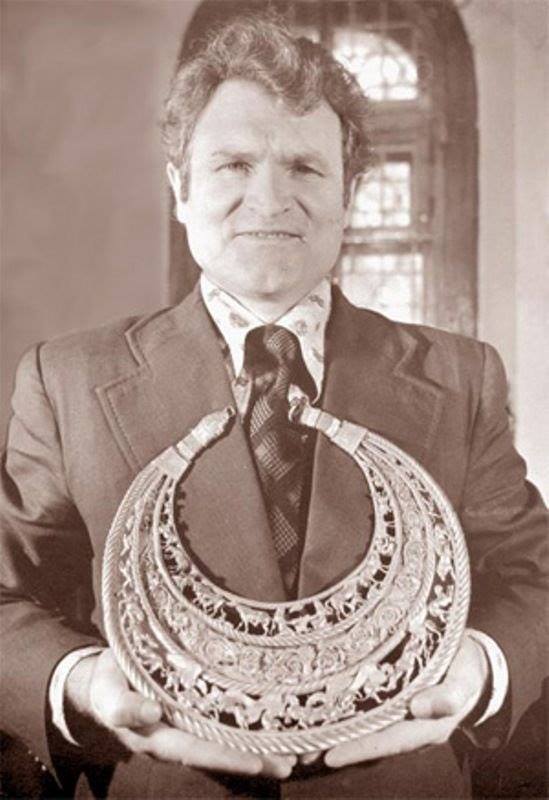
The Tovsta Mohyla pectoral is a gold breastplate discovered in 1971 during excavations of a Scythian burial mound near the town of Pokrov in the Dnipropetrovsk Oblast (now the Dnipropetrovsk Oblast of Ukraine). The discovery was made by archaeologist Boris Mozolevsky, and this find became one of the most sensational events in world archaeology of the 20th century. The pectoral is dated to the 4th century BCE and likely belonged to a Scythian king or a noble warrior.

Товста могила — Вікіпедія


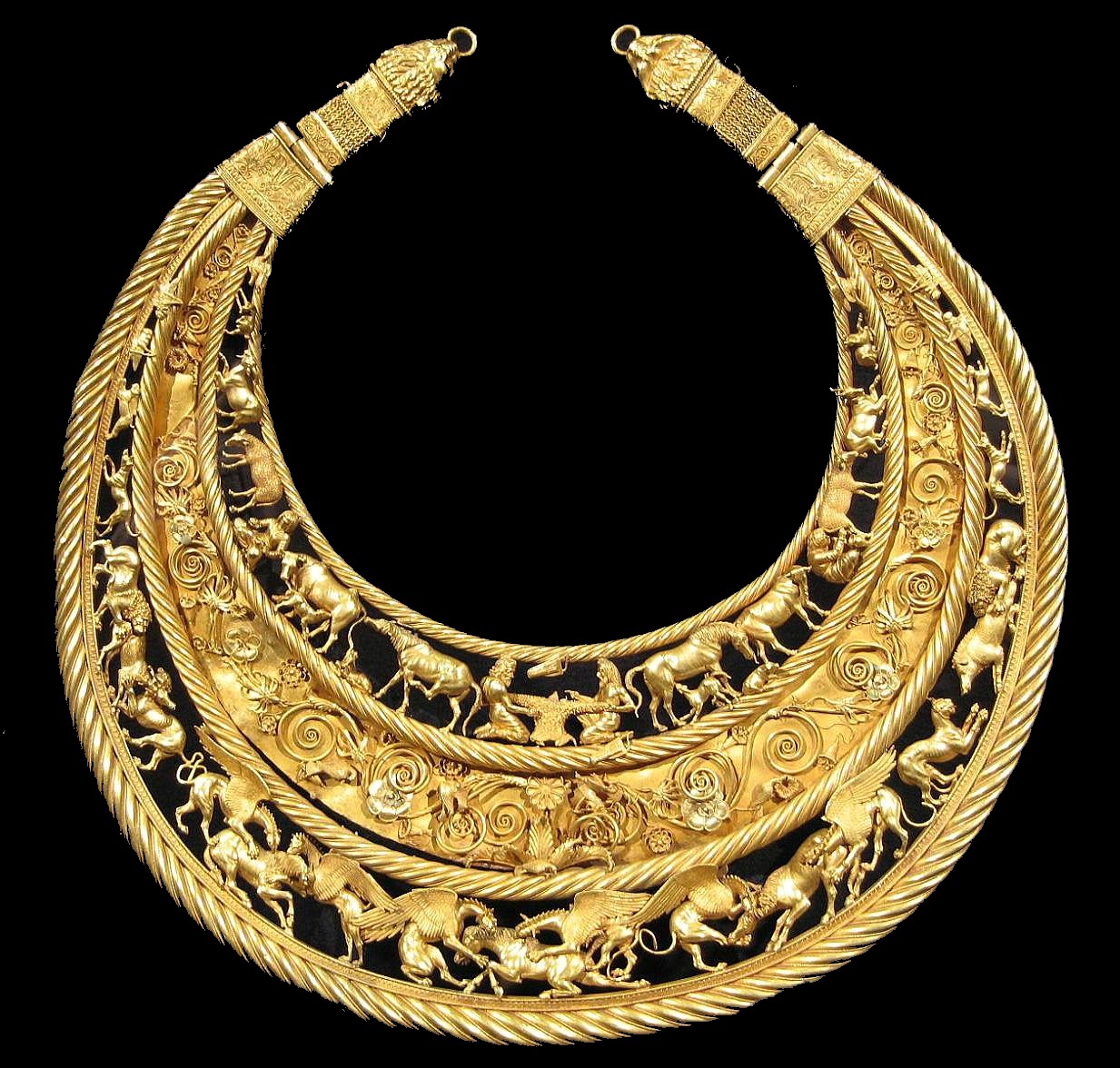
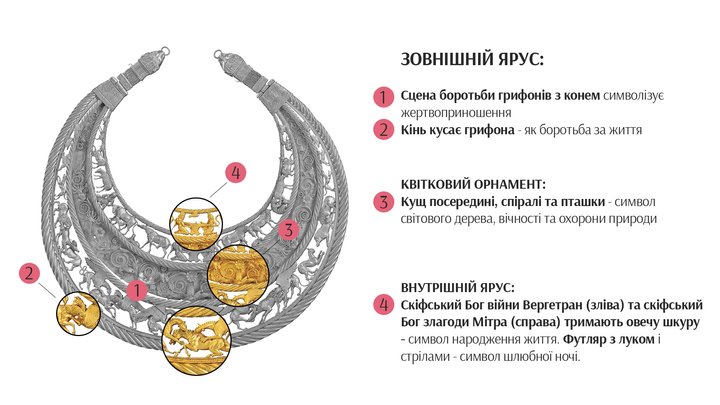
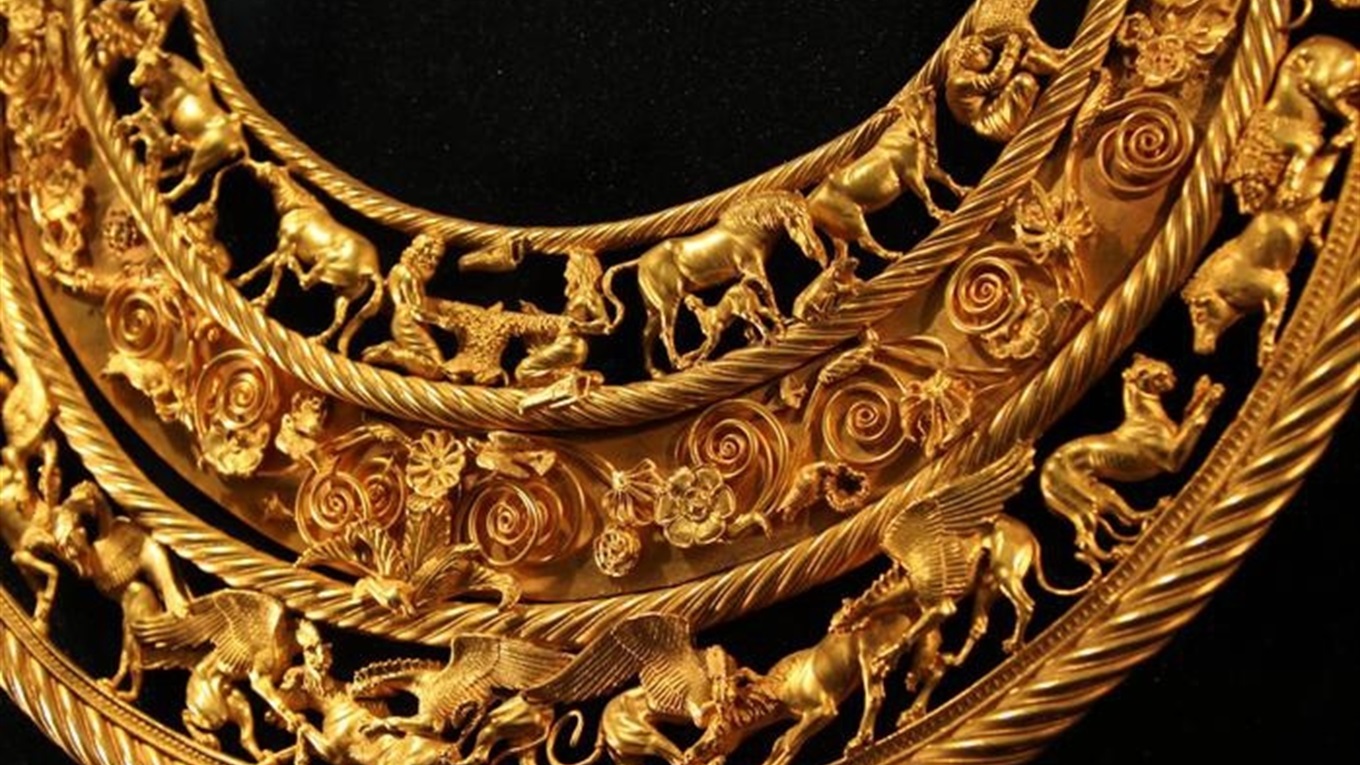
The artifact is made of high-purity gold and weighs about 1.15 kilograms. Its shape resembles a crescent moon, and the design is divided into three levels that reflect the Scythians’ worldview: the animal, human, and mythological realms. The lower tier depicts scenes with animals, the middle tier shows scenes from everyday life, and the upper tier features symbolic images that still spark debate among historians.

Загадки, що приховує знахідка скіфської пекторалі – Нікополь.City


Scholars believe that the pectoral may have been more than just an ornament; it could have been a symbol of power or a sacred object that underscored the owner’s status. The craftsmanship involved in its creation impresses even modern jewelers: the fine details are executed with incredible precision, attesting to the high level of skill possessed by ancient artisans. That is why the find is often called a masterpiece of world art.

Скіфська золота пектораль із Товстої Могили - Ukrainian people


The Tovsta Mohyla burial mound, where the pectoral was found, is part of a large complex of Scythian burial sites scattered across the steppes of Ukraine. Such burial mounds were built for the nobility and could contain not only jewelry but also weapons, pottery, and other household items. Most of them were looted long ago, so every preserved artifact is of immense scientific value.

Пектораль із Товстої Могили — Вікіпедія


Today, the pectoral from Tovsta Mohyla is on display at the National Museum of the History of Ukraine. It has become one of the symbols of Ukrainian cultural heritage and is regularly exhibited at international exhibitions. For archaeologists and historians, it is not just a golden artifact, but a key to understanding what the world of the Scythians was like and how civilization developed on the territory of Ukraine thousands of years ago.

Золота пектораль скіфського царя у кургані Товста Могила – Суспільне  Культура — Суспільне Культура


Although there is no specific international “Pectoral Day,” in the Ukrainian media this discovery is commemorated every year as an important milestone linked to the development of archaeology and the uncovering of the cultural heritage of the Scythian era.


Read us on Telegram and Sends

Завантажуй наш додаток