

The closer we get to the heating season, the greater the threats and risks this winter become. Russia continues to target energy and gas infrastructure, while the need for gas imports is growing. Against this backdrop, the question of who will lead Naftogaz—and whether the company will be able to provide the country with the necessary resources amid the war and high import costs—takes on particular importance.
UA.News explores what the winter scenario might look like if Russia intensifies its attacks, how the possible appointment of Yulia Svyrydenko might affect Naftogaz’s operations, and what Ukrainian experts think about it.
Statements about “the harshest winter in Ukraine’s history”
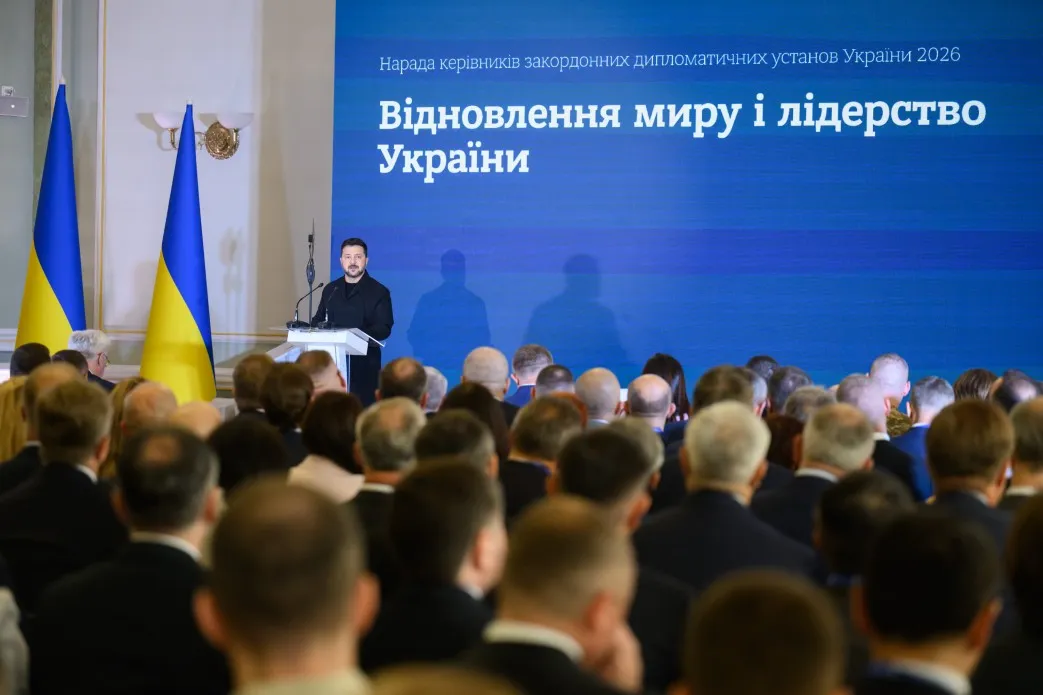
“This year, winter is a priority that is obvious to everyone,” President Volodymyr Zelenskyy stated during the annual meeting of heads of diplomatic missions abroad, held on August 3. He warned that Russia continues to drag out the war and is preparing even more strikes on energy infrastructure.
Just two days later, on August 5, Zelenskyy chaired a meeting of the National Security and Defense Council, where key priorities for getting through the winter were also discussed, including strengthening anti-ballistic protection of the energy supply.
The Cabinet of Ministers’ task is “to speed up everything that can be sped up and to be as prepared as possible for the start of the heating season,” Serhiy Koretskyi stated almost immediately after his appointment as prime minister.
“The coming winter will be more difficult than the previous one. The reason is very simple—the enemy has stepped up its attacks, with more ballistic missiles, more rockets, and more ‘Shaheds.’ Accordingly, the destruction caused by these attacks is also greater. However, we, too, are becoming stronger and more experienced; we are learning from past lessons,” the prime minister warned, commenting on preparations for the upcoming heating season.
On August
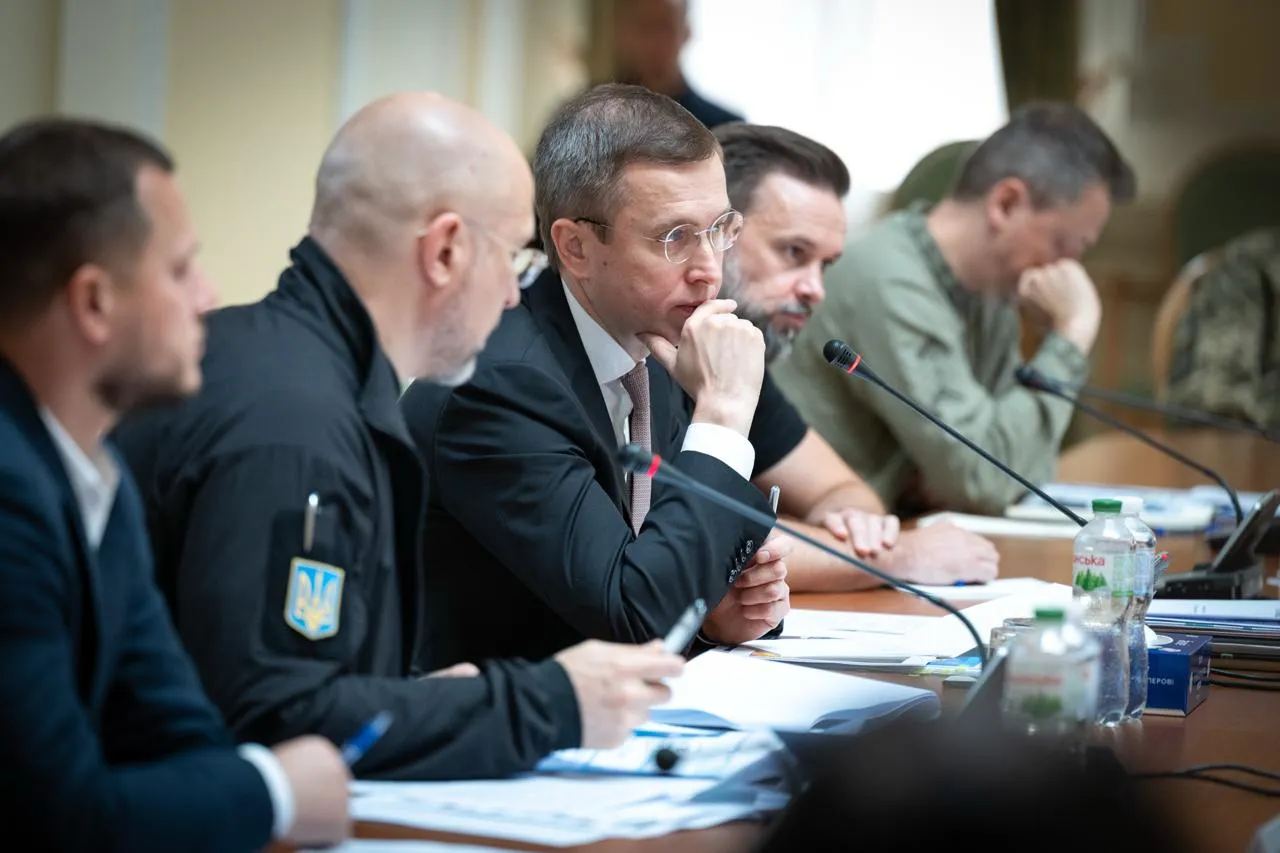
10, Koretskyi chaired a meeting of the Energy Task Force, where participants discussed preparations for the power grid to withstand the winter under various scenarios, reviewed projected electricity and gas balances, and assessed the progress of repairs to generating capacity and the installation of additional security measures for energy facilities.
First Deputy Prime Minister and Minister of Energy, as well as the heads of the largest energy companies—Naftogaz, Ukrenergo, Energoatom, Ukrhydroenergo, “Centrenergo,” DTEK, and the “Gas Transmission System Operator of Ukraine.”

Possible Appointment of Svyrydenko
Amid accelerated preparations for the heating season, a new personnel intrigue has emerged in government circles. A few months before the start of the “harshest winter,” it was decided to appoint a new head to Ukraine’s key energy company—Naftogaz. Essentially, officials on Bankova Street decided to carry out a personnel reshuffle: former Naftogaz CEO Serhiy Koretskyi was appointed prime minister, replacing Yulia Svyrydenko in that position, while the former prime minister was slated to take over as head of Naftogaz.
Media reports indicated that Svyrydenko could take the helm at Naftogaz closer to spring 2027, when the company’s supervisory board will hold a competition for the position of chair of the board of directors. A plan was considered similar to the one used earlier to appoint Natalia Boiko as CEO of the Gas Transmission System Operator: the supervisory board was first to appoint Svyrydenko to the Naftogaz board of directors and only then assign her the duties of chairperson.
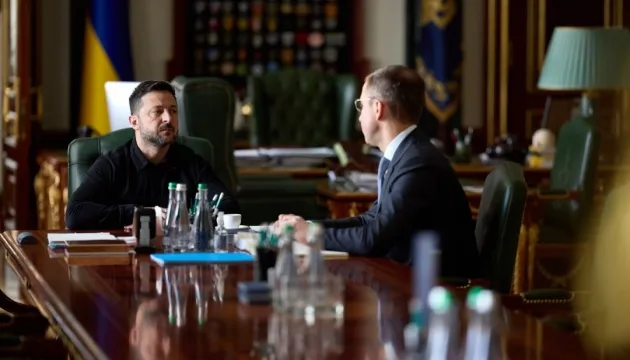
Thus, the initial plan was to keep Serhiy Fedorenko, who had become acting chairman of Naftogaz, in that role for the duration of the heating season, and only then hold a competition for the position of permanent chairman. But it appears they decided to abandon this idea.
Experts are divided on the candidacy of Yulia Svyrydenko to lead Naftogaz. On the one hand, she has a solid background in public administration. On the other hand, she lacks experience in the oil and gas industry, which raises questions on the eve of an extremely challenging heating season.
Naftogaz’s
Preparations
Getting through the current heating season, like all previous ones during the war, will depend on the intensity of enemy shelling, the level of preparedness, and the weather. For Naftogaz, one of the key factors is fuel reserves in underground storage facilities. As of August 2026, Ukraine had accumulated nearly 14 billion cubic meters of gas, exceeding the government’s minimum requirement of 13.2 billion cubic meters for the start of the heating season. Injection is proceeding ahead of schedule, and plans call for reaching 14.6 billion cubic meters.
However, these volumes are insufficient, and Naftogaz will have to secure additional gas imports before the start of winter. The company is short about 400 million euros in funding to do so. Energy Minister Denys Shmyhal previously reported on this.
However, the use of these reserves is also under threat. Missile strikes could damage gas production infrastructure and the system for withdrawing gas from underground storage facilities.
Expert Comments

Oleg Pendzin: Imports
will objectively increase
“It’s no secret that the enemy is targeting production facilities. We’ve already seen statements from Ukrgazvydobuvannya about a sharp drop in production. This means that, objectively speaking, imports will increase if we want to get through this winter in terms of heating. Imports are very expensive today. Consequently, a cash gap will emerge—a wider difference between the price of gas for households used for heating and the price of actual imports. “In other words, at this moment, the first issue that needs to be addressed is funding,” notes Oleg Pendzin, head of the Economic Discussion Club.
According to him, the top priority for Naftogaz is to secure the funds necessary to supply the population with gas, in close coordination with the Ukrainian budget.
“We’ve heard a lot of talk about ‘Resilience Plans’ and preparations for winter. But, in my opinion, the main problem lies first and foremost in the price of the energy source and its availability. Because if the infrastructure is in place but there’s nothing to burn, it will be a complete disaster,” says Oleg Pendzin. “Therefore, the main task for Naftogaz is to secure the resources that utility companies and private individuals will use to heat their homes. In other words, the position of Naftogaz’s CEO is now becoming extremely important in terms of getting through the coming winter.”
Pendzin also believes that, based on the accumulation schedule, there are currently sufficient financial and material resources to get through the winter.
“The only positive aspect is that—and I’m sure everyone understands this perfectly well—statistically speaking, there aren’t two consecutive winters as cold as the previous one,” says Oleg Pendzin. “The last winter as cold as the one in 2025–2026 was six years ago. If this winter is noticeably warmer, then, accordingly, heating costs will be much lower. In other words, in this situation, we can get through the winter much more easily, even if the shelling of energy infrastructure continues.”
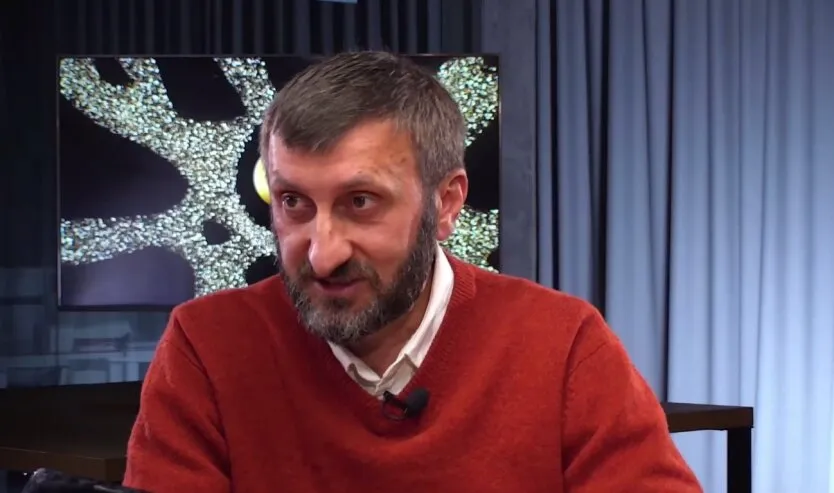
Vitaliy Kulik: Gas imports are not a matter of commerce, but of political agreements
“I wouldn’t be so optimistic about whether we’ll have enough gas. The Russians are doing everything they can to damage the infrastructure of distribution stations. They’re even targeting small distribution points. These strikes are systematic in nature—that is, they’re aimed at cutting off entire regions from the gas supply. This is a problem the industry may face. Second, there’s the targeting of gas production facilities, primarily in the Poltava region and elsewhere. This, too, could cause harm. If the Russians systematically and comprehensively set out to engineer a “cold famine,” then, accordingly, transportation issues may also arise—the infrastructure could be destroyed as a single system,” warns Vitaliy Kulik, director of the Center for Civil Society Research.
According to the analyst, the extent to which this significant challenge can be overcome will depend on the operational management of processes: the speed of repairs, the replacement of destroyed units, the automation of these processes, and the allocation of resources.
“Naftogaz has demonstrated a certain capacity for rapid response. At the start of the war, Naftogaz handled its tasks quite well. It seems to me that Svyrydenko, if appointed, will have the tools she needs to get the job done. And she is a decent manager, whatever the case may be. The point is that being the chair of the board of NAK “Naftogaz” means, to a large extent, taking on a certain level of responsibility without waiting for a call or instructions on what to do or not to do. In a crisis situation, that won’t work,” emphasizes Vitaliy Kulik.
In addition, the analyst is certain that there will definitely be pressure on Naftogaz’s management from large consumers.
“I’m not talking about people, although that’s also very important. Fairness in calculating gas transportation tariffs is the top priority across the entire system. But that’s more the responsibility of the Ministry of Fuel and Energy and the regional gas companies. As for NAKU, it primarily deals with large corporate consumers or consumers such as municipalities. Accordingly, everyone will try to secure preferential treatment for themselves. And they will exert pressure to ensure there is no selectivity. This is very important. And this is where talk of political bias and the like may come up. That’s why Svyrydenko will have to “navigate” politically in this situation,” the analyst believes.
Vitaliy Kulik also sees a political component in securing the imports needed to cover the gas deficit this winter:
“Our domestic production won’t be enough. It’s obvious that peak loads will require imports. And these imports are political—they’re politicized. This isn’t a commercial issue—it’s a matter of political agreements. It seems that Yulia Svyrydenko has the necessary contacts to participate directly in these negotiations, facilitate them, and respond quickly to the need to purchase gas.
We’ll see. As far as I’m concerned, there are many risks involved here. Starting with the political will of countries such as Hungary and Slovakia, through which the gas pipeline runs, and ending with pricing issues on European markets. It remains unclear at what price we will purchase gas and what the procurement scheme will be. Will we end up with gas at an inflated political price, including significant concessions to Slovakia and Hungary? These are also questions that will arise.”
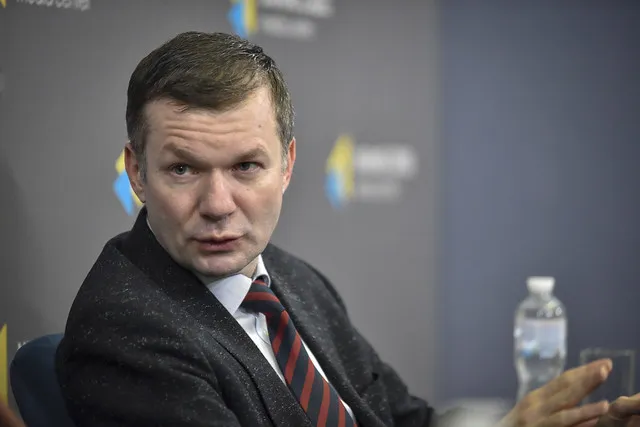
Ivan Us: The risk is exacerbated by the fact that Russia has continued its attacks
Responding to a question about how serious the threat of running out of gas is, Ivan Us, chief consultant at the Center for Foreign Policy Studies of the National Institute for Strategic Studies, considers several scenarios:
“The threat is serious, but it does not yet appear inevitable: the government’s target for November 1, 2026, is 14.6 billion cubic meters in underground gas storage facilities, while the critical minimum is 13.2 billion cubic meters. According to the DiXi Group’s baseline scenario, this level is achievable; under a scenario of more intense attacks, initial reserves could amount to only 13.2–13.8 billion cubic meters, and under a scenario of restricted imports and a price shock—12.3–13.3 billion cubic meters. The risk is exacerbated by the fact that Russia continued its attacks on Naftogaz’s gas production facilities in July 2026.
Although natural gas storage levels in Europe hit a record low in August, Ukraine can count on imports; however, the main issue is price and funding rather than a physical shortage of gas in the EU, notes Ivan Us.
“At the end of July 2026, European storage facilities were only about 55% full—the second-lowest level for that time of year since 2016; at the same time, the European Commission and ACER stated that there is no immediate threat to the security of supply in the EU, and an 80% fill rate is considered sufficient to get through the winter. For Ukraine, this means that imports are technically possible, particularly via routes from Poland, Slovakia, Romania, and Moldova, but timely financing of purchases remains a key condition.”
The situation on the international gas market will remain an important influencing factor. This impact is likely to be negative, according to the expert.
“The IEA and ENTSOG note that the conflict in the Middle East and risks to the Strait of Hormuz have constricted the global LNG market, and the resumption of flows following the June interim agreement between the U.S. and Iran has not yet restored them to pre-crisis levels. From March to June 2026, the Asian JKM was, on average, $2.1/MBtu more expensive than the European TTF, so some of the flexible LNG cargoes went to Asia rather than Europe. “For Ukraine, this means more expensive imports, greater price volatility, and even greater dependence on external financing,” explained Ivan Us.




