
In the Chernobyl Nature Reserve, marks left by bears, deer, and wild boars were found on trees

In the Chornobyl Radiation-Ecological Biosphere Reserve, experts have observed an interesting phenomenon: various wild animals use the same trees to mark their territory and communicate.
On the outskirts of the village of Lubyanka, near one of the fir trees, experts found signs that several different species of animals had been there.
Bears, deer, and wild boars leave their marks, and sometimes bulls from a feral herd join this “tree-based watch.”
“It would seem that ungulates should avoid places where large predators have been, but during the mating season, the rules change—hormones take over,” explains Serhiy Zhyla.
According to him, bears leave deep claw scratches, bite marks, bark abrasions, and their own scent on the trees. The animals may stand on their hind legs and rub their backs, necks, and heads against the trunk, as well as bite the bark.
Such markings serve an important function in communication between animals. They can help bears find mates, signal their presence, and demonstrate their size and strength.
“Surveillance cameras captured a bear actively marking even a tarred wooden pole,” the expert said.
Deer most often mark trees in late summer and fall, during the rutting season. Males rub their antlers against tree trunks, removing the dead velvet.
In this way, the animals not only leave their scent but also demonstrate their strength to potential rivals and females.
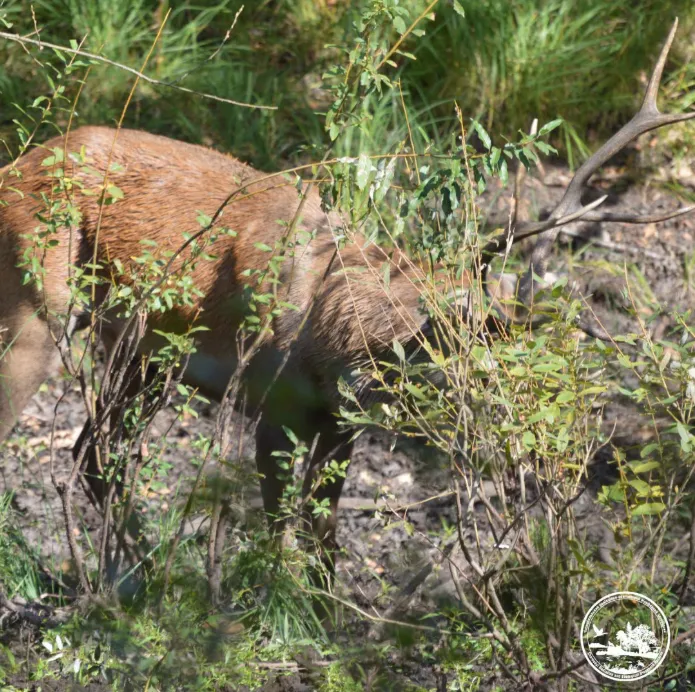
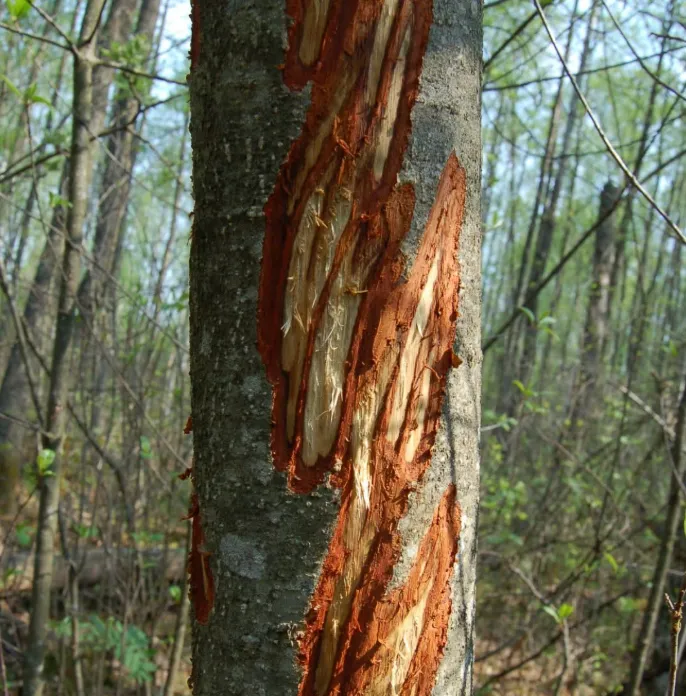
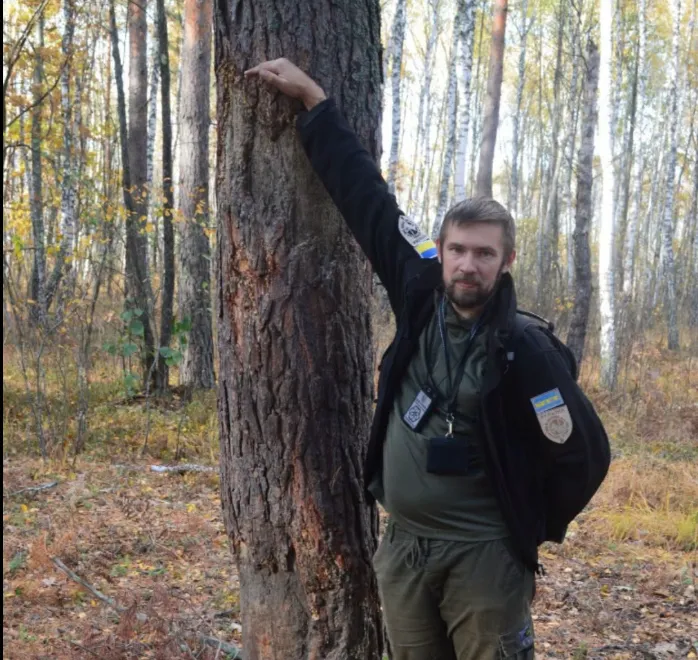
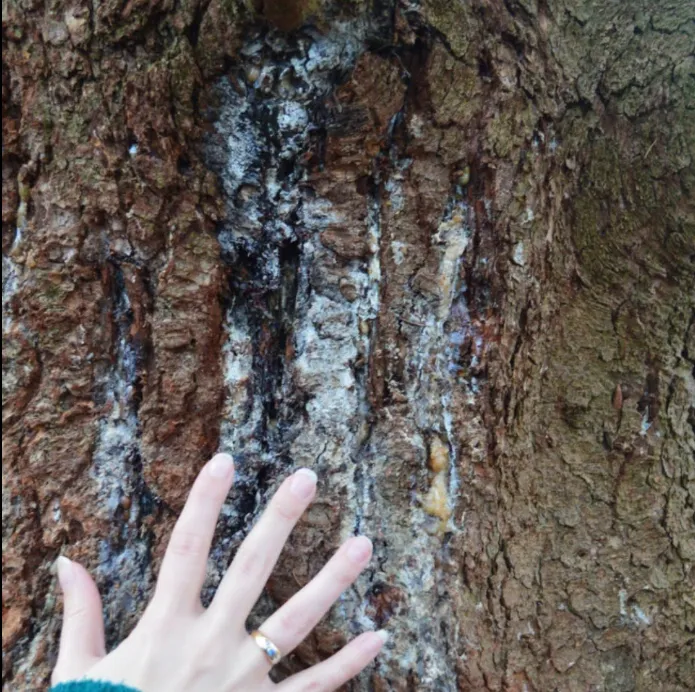
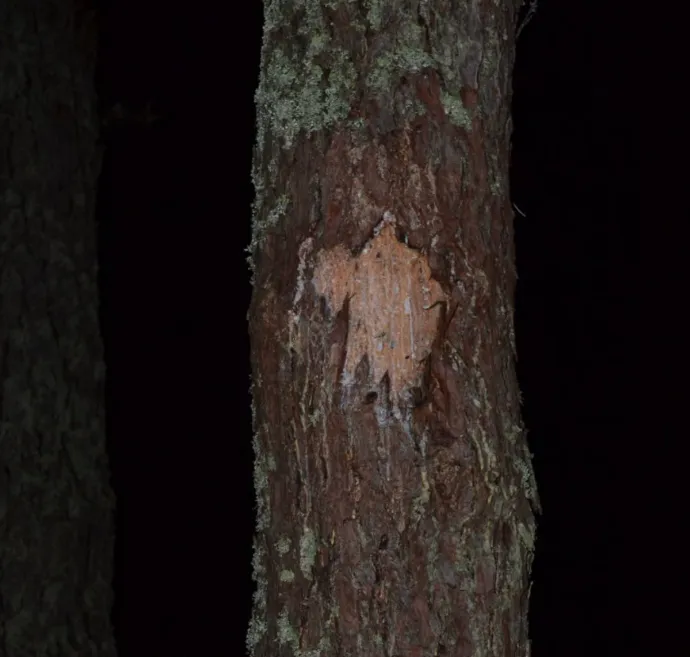
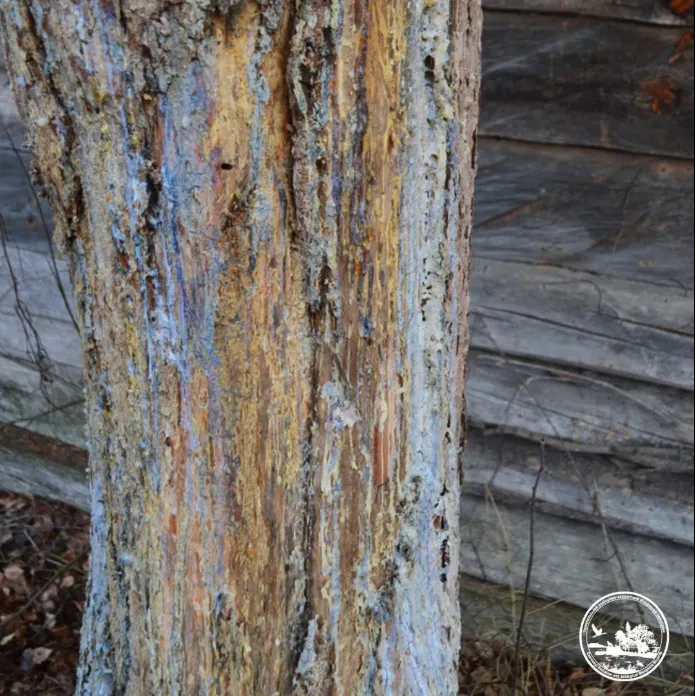
Deer usually choose thinner trees for this purpose, but in the Chernobyl Nature Reserve, there have been instances where the animals, together with other forest dwellers, have marked even old fir trees.
Wild boars leave marks much lower on the trunks, often near mud baths. Therefore, their marks are usually easier to distinguish from those of other animals.
Other inhabitants of the Chornobyl Nature Reserve may also participate in this unique form of “tree marking.” In particular, moose gnaw marks can be seen on the bark.
The expert emphasizes that such markings are of great importance to animals, especially in a forest environment where they cannot always meet face-to-face.
“In the forest, where animals don’t always encounter one another face-to-face, these markings become an important means of communication. It’s a real social network, only instead of a smartphone—it’s a tree,” notes Serhiy Zhyla.
Thus, a single tree in the forest can simultaneously serve as a kind of information hub for several animal species, which leave scents, scratches, scuffs, and other marks on it.
Serhiy Zhyla, an expert, spoke about the behavioral characteristics of the reserve’s inhabitants.
An unusual incident also occurred in the Chornobyl Radiation-Ecological Biosphere Reserve: a wood snipe “stopped” a security service vehicle right in the middle of the road.
Earlier, pink and curly pelicans were spotted in the “Tuzly Estuaries” National Nature Park in the Odesa region.
In the Poltava region, the stork Odarka returned to her nest and attacked Lelya and Kvitka.
Storks have begun returning to the Chernobyl zone.


