
A powerful magnetic storm has swept across the Earth: Scientists have predicted when it will subside
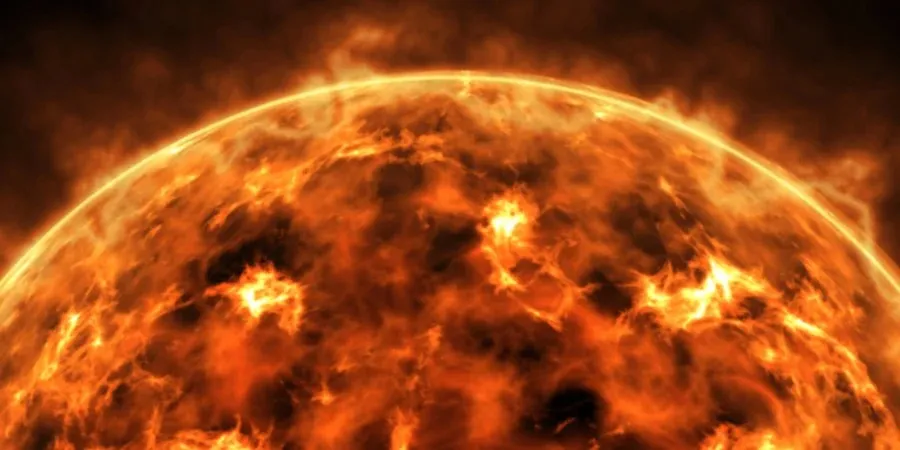
The powerful magnetic storm, which has been ongoing for several days, will not end immediately. The strongest geomagnetic disturbances are expected on the evening of August 28 and the morning of August 29, after which the activity will gradually subside.
A G2-level geomagnetic storm has engulfed the Earth following the rapid arrival of two coronal mass ejections (CMEs) from the Sun. Such ejections can cause strong disturbances in our planet’s magnetic field. According to a forecast by experts at the British Geological Survey’s Geomagnetism division, activity will gradually decrease on August 29–30. The G2-level storm is expected to weaken to G1, and by the last day of August, the geomagnetic situation should stabilize.

Experts at the U.S. Space Weather Prediction Center have issued a similar forecast. According to their data, the strongest G2-level disturbances are expected from the evening of August 28 through the morning of August 29. After that, geomagnetic activity will drop to G1 level. Starting in the second half of Saturday, August 29, and throughout Sunday, a calmer situation is expected.
What Do Magnetic Storm Levels Mean?
The G-index, which has five levels—from G1 to G5—is used to assess geomagnetic activity.
- G1 — weak storm;
- G2 — moderate;
- G3 — strong;
- G4 — very strong;
- G5 — extreme.
The G-index is related to the K-index, which measures geomagnetic activity on a scale from 0 to 9. For example, a G1 storm corresponds to a K-index of 5. During strong geomagnetic storms, auroras may appear at latitudes where they are not usually seen. Strong solar activity can also affect the operation of satellites, radio communications, and some navigation systems.

At the same time, space weather forecasts are subject to change. Solar activity fluctuates constantly, so the actual intensity and duration of geomagnetic disturbances may differ from previous calculations.
How to Cope During a Period of Geomagnetic Activity
During magnetic storms, it’s best to stick to your usual daily routine and monitor how you’re feeling. Experts advise:
- get plenty of sleep—ideally, about eight hours;
- drink plenty of water throughout the day;
- eat a balanced diet and avoid overeating;
- avoid excessive alcohol consumption;
- rest as much as possible and avoid overexertion.
If a person has chronic health conditions or takes medication regularly, they should follow their doctor’s recommendations when feeling unwell, rather than attributing any symptoms solely to a geomagnetic storm. According to the current forecast, the peak period will occur on the night of August 28–29, after which geomagnetic activity will gradually subside. A return to calmer conditions is expected by the end of the month. This information is reported by the British Geological Survey’s Geomagnetism section.


