
The myth about Oreshnik’s kinetic power was not confirmed after the strike on Bila Tserkva — Defense Express
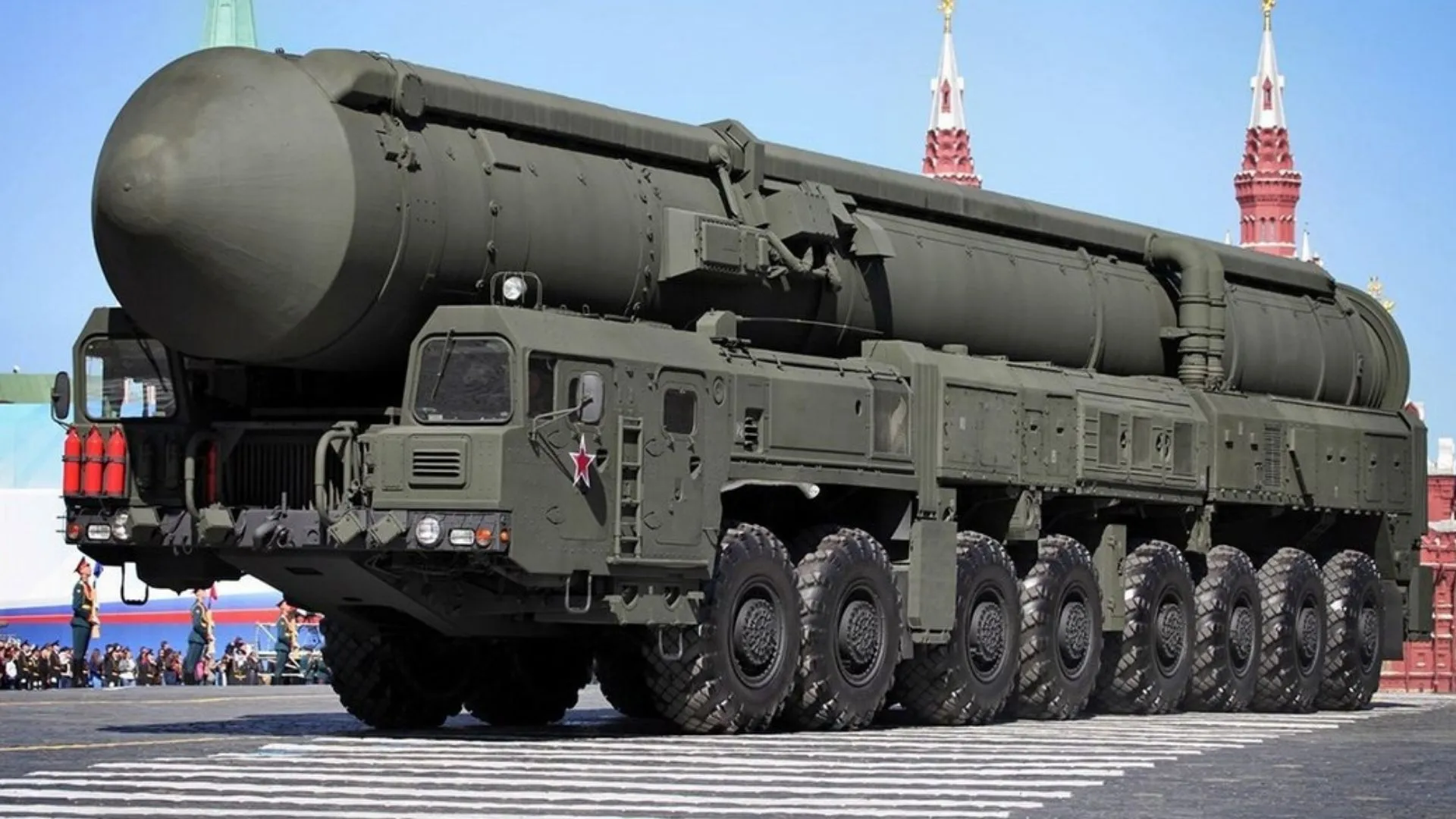
Initial findings from the investigation of the impact site of the Russian “Oreshnik” medium-range ballistic missile in Bila Tserkva refute Russian propaganda claims about its allegedly super-powerful “kinetic” warhead.
This is reported by Defense Express.
According to the publication, the Russian side claimed that the “Oreshnik” is equipped with special tungsten kinetic warheads capable of penetrating deep shelters without causing significant surface damage.
Russia used an Oreshnik intermediate-range ballistic missile (IRBM) against the Kyiv region, with the impact area identified near Bila Tserkva.
Footage also appears to show the missile’s post-boost separation phase, with multiple reentry vehicles descending toward the target… pic.twitter.com/NkUxI5TP7P— OSINTWarfare (@OSINTWarfare) May 23, 2026
However, an analysis of the third impact site of such warheads revealed a different picture. According to Defense Express sources, the average size of the craters after impact is up to three meters in diameter and up to two meters deep.
The publication notes that the warheads themselves are effectively destroyed by the impact energy, so it is currently impossible to determine their exact design.
According to experts, the energy of a single such strike can be approximately 220–400 megajoules, which is roughly comparable to the explosion of 52–95 kg of TNT, although the nature of the damage differs significantly from that of a conventional explosion.
Defense Express notes that the consequences of the strike in Bila Tserkva generally correspond to previously recorded incidents in Dnipro and Lviv, and there are currently no signs of the use of any fundamentally new warhead.


