
Tuapse has no plans to cancel the resort season, despite the oil-covered beaches
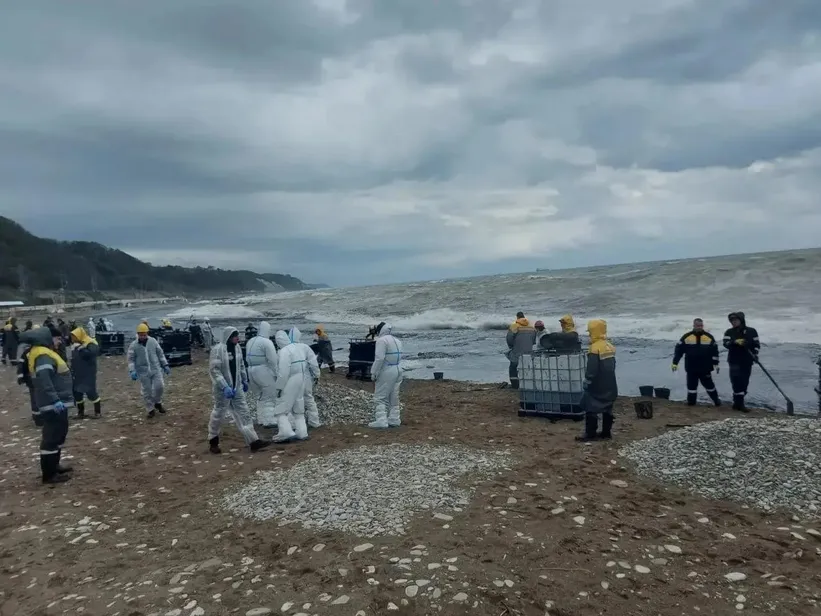
The Tuapse authorities have stated that the city will welcome tourists this summer, despite the ongoing cleanup efforts following the massive fires at the maritime terminal. Mayor Sergey Boiko assured that Tuapse’s coastline stretches 90 km, so contamination of one beach will not affect the others, and the damaged areas are expected to be restored by June 1.
This was reported by Kommersant.
The situation in the region remains difficult due to a series of attacks by Ukrainian drones on the oil terminal in April and May 2026. The latest attack took place on May 1, immediately after the fire from the previous strike on April 28 was extinguished. As a result of the burning oil products, “oil rains” fell on the city, and the concentration of benzene, xylene, and soot in the air exceeded the norm several times over. Smog from the fires spread to Sochi, Anapa, Armavir, and Stavropol.
In addition to air pollution, damage to the tanks led to a massive spill of petroleum products into the Black Sea. As of late April, the oil slick had spread 77 kilometers along the coast. Despite this, local authorities claim there has been no abnormal surge in health complaints among residents and accuse Western media of “disinformation.” Successful strikes on Russian infrastructure continue to undermine its economic potential, although the occupation administration is trying to maintain an appearance of stability ahead of the start of the tourist season.
As a reminder, in Tuapse, residents were urged to evacuate following a drone attack (video).
Residents of Tuapse, Russia, are increasingly complaining about unbearable living conditions in the frontline city. The once-popular resort has turned into an area of environmental disaster and constant danger due to regular explosions at local industrial facilities.
In Tuapse, Russia, while cleaning up the aftermath of an oil spill, the city beach was covered with a new layer of pebbles. At the same time, local residents and environmentalists claim that traces of fuel oil are still visible near the water and that a full cleanup has not taken place.


