

From the 95th Brigade’s raid to “Spider’s Web”: operations that changed perceptions of the Ukrainian Army
01 October 2026 14:41On October 1, Ukraine celebrates Defenders’ Day. Over the years of the Russian-Ukrainian war, this holiday has taken on a completely different meaning. From the first battles in Donbas in 2014 to a full-scale war, the Ukrainian military has come a long way—a journey that has transformed both the army itself and our understanding of what modern warfare can look like.
During this time, there have been operations that seemed practically impossible. Ukrainian paratroopers marched hundreds of kilometers behind enemy lines; soldiers held Donetsk Airport for months even as its terminals lay in ruins; and pilots broke through in helicopters to the completely surrounded city of Mariupol. Later, special forces began venturing out into the open sea, landing in occupied Crimea, while drones attacked Russian strategic aircraft thousands of kilometers from the Ukrainian border.
UA.News recounts the most complex and unusual operations carried out by the Ukrainian Armed Forces and special services since the start of Russian aggression in 2014.
The 95th Brigade’s Raid: Hundreds of Kilometers Behind Enemy Lines
In the summer of 2014, there was not yet a relatively clear front line in Donbas, as would later emerge. Ukrainian units could find themselves cut off from their main forces, significant sections of the state border remained uncontrolled, and Russia used them to transport weapons, ammunition, and personnel.
It was under these conditions that units of the 95th Separate Airborne Brigade, under the command of Mykhailo Zabrodskyi, carried out one of the most famous Ukrainian operations of the war’s early months—a raid behind enemy lines.

Convoys of Ukrainian armored vehicles broke through the militants’ defenses, passed through combat zones to Mariupol, and then moved along the border back to the main forces.
The difficulty lay not only in the distance. The convoy effectively had no traditional rear area. A threat could arise from the front, the flanks, or the rear, and any breakdown of the armored vehicles posed an additional risk. The vehicles had to be repaired, refueled, and resupplied with ammunition while continuing to move forward and preventing the enemy from setting up an ambush.
The raid was also intended to assist Ukrainian units that had found themselves in a difficult situation near the border. One of the officers of the 25th Brigade, Oleksiy Bobylev, later recounted that his unit’s mission was to cover the advance of the 95th Brigade and help clear a corridor for the units trapped in the area of Dmytrivka, Stepanivka, and Marynivka.
Years later, Mykhailo Zabrodskyi, recalling his service in the 95th Brigade, said that morale depends largely on the realization of a simple fact: “An uninvited guest has broken into your home.”
At the start of the war, when the Ukrainian army was still rebuilding its combat capability after years of cutbacks and underfunding, such a raid demonstrated that it was already capable of conducting complex maneuver operations.
Donetsk Airport: 242 Days Amid Concrete That Ultimately Couldn’t Hold
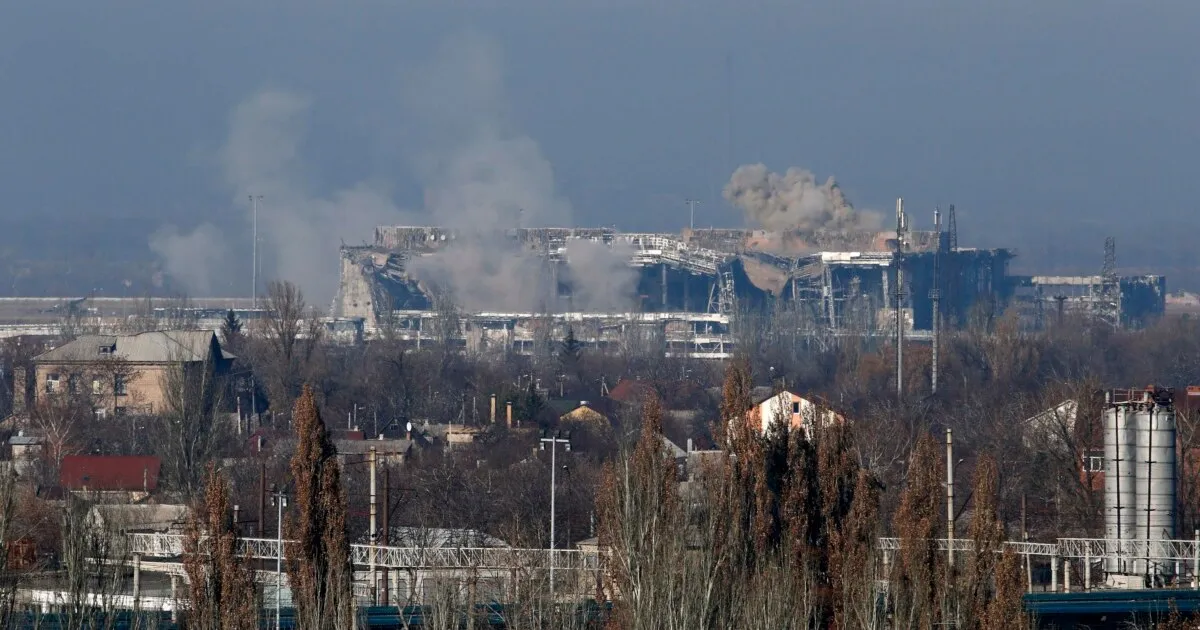
While the 95th Brigade’s raid was based on constant movement, the defense of Donetsk Airport was its complete opposite. Here, Ukrainian troops had to remain in one place longer than the enemy thought possible.
The battles for the airport began in May 2014 and lasted 242 days. During this time, the new and old terminals, the control tower, and other buildings practically ceased to exist in their original form. Ukrainian troops continued their defense amid the rubble, concrete slabs, and collapsed floors. Airborne assault troops describe the battles for Donetsk Airport as some of the fiercest in the Russian-Ukrainian war.
The most unusual feature of the final months of the defense was the distance between the opposing sides. At certain stages, Ukrainian troops and the enemy were in different parts of the same terminal or even on different floors of the same building. The usual concept of a “front line” almost lost its meaning here. Logistics were no less challenging. Ammunition, water, and food had to be delivered to the airport, troops had to be rotated in and out, and the wounded had to be evacuated. Supply routes were coming under fire, and the terminal itself was constantly under artillery shelling.
One of the airport’s defenders, Mykola Tykhonov, recalled that the soldiers had to endure constant shelling, sometimes without sufficient water, food, ammunition, or reliable communication. According to him, “inner strength and faith” helped them hold out. In the final days, the situation became even more difficult. On January 20, 2015, the enemy blew up the columns supporting the roof of the new terminal. On that day alone, 51 Ukrainian soldiers were killed.
Even after the destruction of the main positions, the story of the DAP did not end immediately. Seven paratroopers from the 90th Battalion held the airport’s fire station for about two more days. For some time, they were even considered dead or missing in action.
It was during these battles that the term “cyborgs” first appeared. According to a widely accepted account, the enemy itself began calling the Ukrainian defenders by this name, unable to understand how people could endure such conditions for so long.
Helicopters to Mariupol: Flights Through Russian Air Defense into the Besieged City
In the spring of 2022, Mariupol found itself virtually completely surrounded. There was no longer a ground route to the Ukrainian defenders, but the defense of the city and “Azovstal” continued.
At that time, the Main Intelligence Directorate, together with the Army Aviation, organized an operation whose risks could hardly be overstated. According to the GUR, seven deep helicopter raids were carried out across more than 100 kilometers of territory controlled by Russian troops and protected by dense air defenses. In total, about 16 Ukrainian Mi-8 helicopters were involved in the operation.
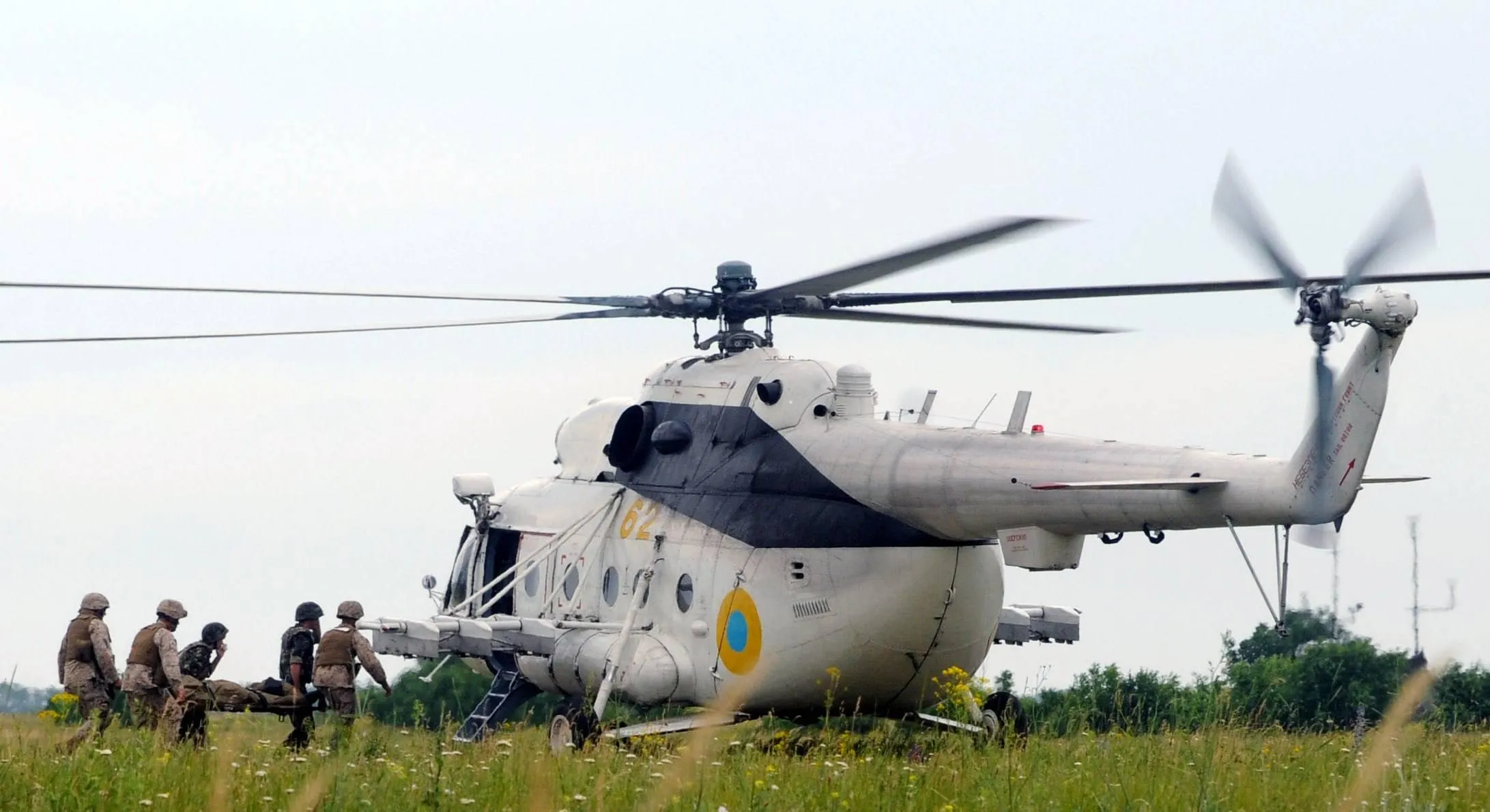
The helicopters delivered ammunition, medical supplies, equipment, and personnel to Mariupol. They evacuated the wounded on the return trips. Initially, the helicopters landed on the Azovstal grounds, but after the landing zones were damaged by Russian strikes, some of the flights had to be rerouted to the Mariupol seaport.
The crews flew at extremely low altitudes. This reduced the likelihood of being detected by radar but created another danger—at high speeds, the pilots had to constantly monitor the terrain, trees, power lines, and other obstacles.
At the same time, every successful flight made the next one more difficult. Russian forces gradually figured out which routes Ukrainian crews might be using and stepped up their air defense. Some aircraft were lost during the operation.
Zmiinyi: How a Small Island Became a Major Military Problem for Russia
Zmiinyi Island covers a very small area, but after the start of the full-scale invasion, its significance turned out to be much greater than its physical dimensions. Control of the island allowed Russia to intensify surveillance of the northwestern part of the Black Sea and deploy radar equipment and air defense systems there. In addition, Zmiinyi was important for controlling maritime routes.
Ukraine did not attempt a large-scale, conventional assault right away. The operation lasted approximately two months and consisted of a large number of separate strikes and actions by various units. One of the riskiest episodes was the landing of the Ukrainian assault force on May 7, 2022. It involved special forces from the Main Intelligence Directorate (GUR) and the SBU’s Special Operations Center “A,” with support from the Navy.
One of the participants, Vitaliy Ignatenko, remained with the cover group when, due to the enemy’s numerical superiority, the decision was made to evacuate the landing force. He was killed while covering the retreat of the other soldiers. Ukraine then systematically attacked the Russian garrison, equipment, and supply lines on the island. The operation involved intelligence units, the Special Operations Forces (SSO), the Security Service of Ukraine (SBU), border guards, artillery, the Navy, and the Air Force.
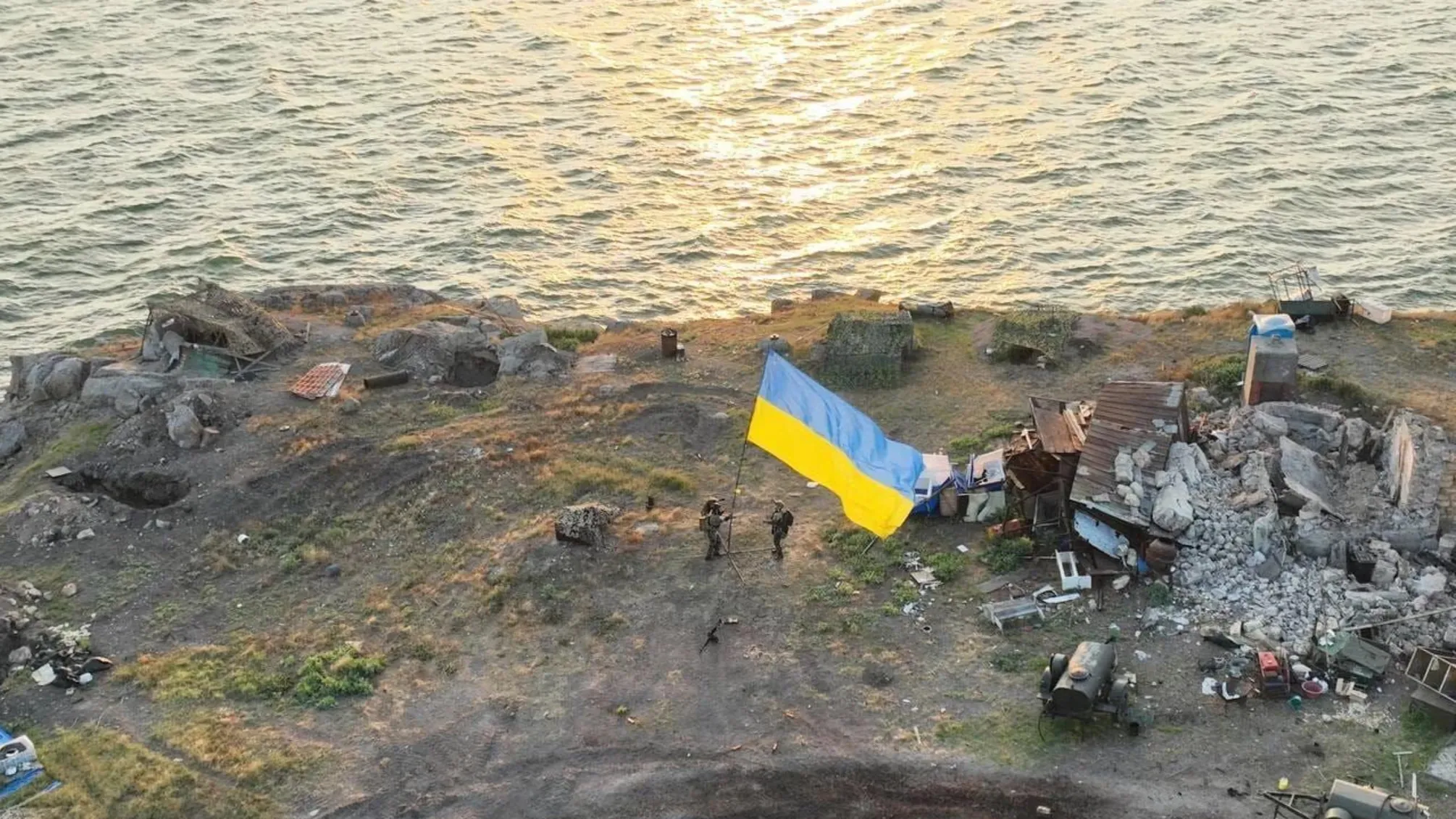
On June 30, Russian forces left Zmiinyi Island. Moscow called this a “gesture of goodwill,” but the Ukrainian side attributed the withdrawal to constant fire pressure and casualties. In 2026, the Main Intelligence Directorate (GUR) noted that the Russian garrison had been on the island for 126 days, and its withdrawal was the result of approximately two months of operations by Ukrainian forces. Following this, Ukrainian troops landed on the island and raised the national flag.
Kherson: An operation in which the enemy was forced to leave the city without a major assault
Russian troops captured Kherson at the start of the full-scale invasion. It was the only regional capital in Ukraine that Russia managed to occupy after February 24, 2022. Until the fall, a large Russian force was stationed on the right bank of the Kherson region, but its main weakness remained its dependence on crossings over the Dnipro River.
Ukrainian forces began systematically targeting the enemy’s logistics. Strikes were directed at the Antonivsky Bridge, the bridge across the Kakhovka Hydroelectric Power Plant dam, ammunition depots, command posts, and other facilities necessary for supplying Russian troops. The goal was not only to physically destroy individual crossing points but also to constantly hinder the delivery of fuel, ammunition, equipment, and reinforcements to the right bank.
At the same time, the Defense Forces were gradually advancing on the ground. During the Kherson offensive, Ukrainian troops advanced up to 40 kilometers in some areas, liberating up to 5,700 square kilometers of territory and 211 settlements.
For the Russian command, the situation was gradually becoming increasingly dangerous. A large force was stationed on the right bank of the Dnipro, which, in the event of further Ukrainian advances, risked being cut off from a steady supply line. ArmyInform estimated its strength at approximately 40,000 troops. Ultimately, Russia decided to withdraw its forces to the left bank.
This made the Kherson operation unique. Ukrainian troops did not have to carry out a large-scale assault on a major city, which would inevitably have led to massive destruction and casualties. Instead, the Russian force was gradually placed in a position where continuing to defend the right bank became increasingly risky.
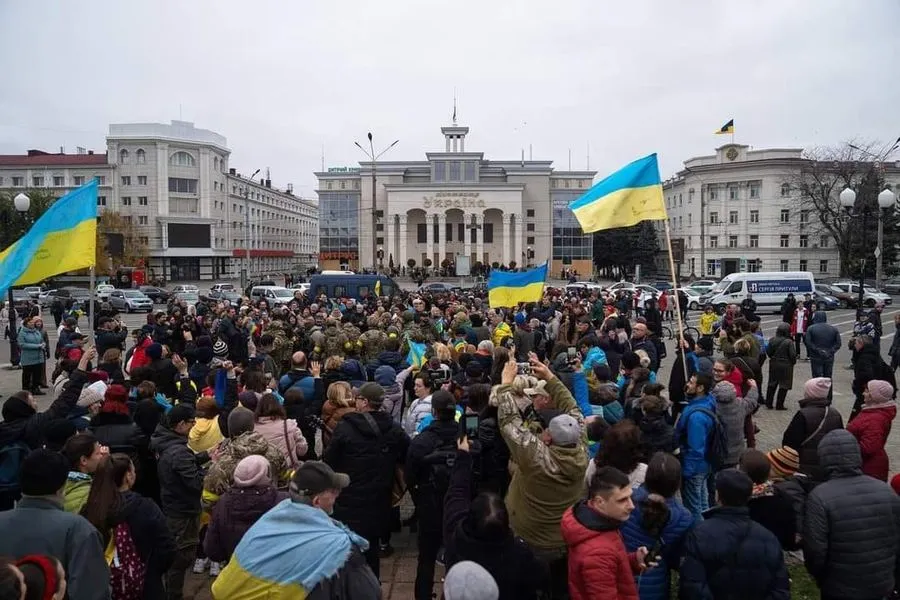
On November 8–12, the final stage of the operation began. Russian forces retreated across the Dnipro, while Ukrainian units advanced rapidly. On November 11, the vanguard of the Defense Forces reached the right bank of the Dnipro, and Ukrainian troops entered Kherson.
That same day, President Volodymyr Zelenskyy posted a video from the city with the words: “Ours. Ours. Kherson.” On the main streets, people welcomed Ukrainian troops with flags after more than eight months of occupation.
Kherson demonstrated another important feature of modern warfare: to force the enemy to leave a territory, it is not always necessary to attack its main positions head-on. Sometimes it is far more effective to gradually deprive a large force of its ability to resupply, maneuver, and receive reinforcements.
“Boyko’s Towers”: 14 Hours on the High Seas and a Battle with Russian Aviation
The next phase of the battle for the Black Sea was even more extraordinary. In 2023, Ukrainian military intelligence carried out an operation to regain control of the so-called “Boyko’s Towers”—gas production platforms located between Crimea and Zmiinyi Island. Russia seized them after the occupation of Crimea and used them not only as industrial facilities but also for military purposes.
The special forces had to travel a considerable distance across the open sea in small boats, seize the platforms, and leave the area before Russia could deploy significantly more powerful forces against them. According to the Main Intelligence Directorate (GUR), a clash with Russian aircraft occurred during the operation. On the platforms, Ukrainian troops dismantled Russian reconnaissance equipment and regained control of the facilities.
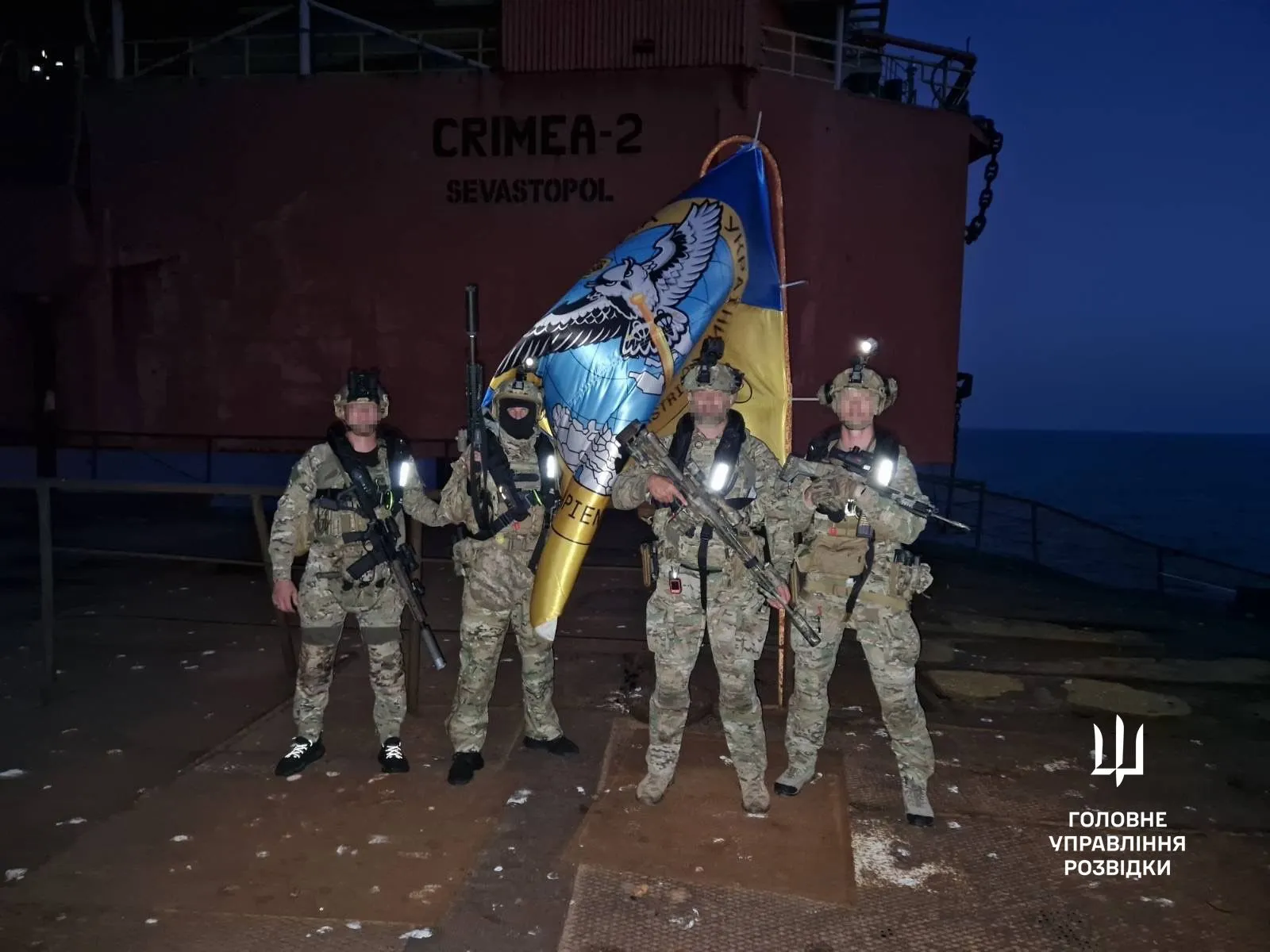
But one of the most famous episodes of this operation did not take place on a platform at all. A special forces operator with the call sign “Conan” found himself overboard approximately 130 kilometers from the coast. Due to shelling, the team could not immediately return for him.
He was left alone in the middle of the Black Sea. “Conan” himself later recounted that he used one of the gas platforms about 20 kilometers away as a landmark and began swimming in its direction. He spent about 14 hours in the water.
“The only thing I could do was overcome my fear,” he recalled.
That evening, his comrades were able to find and evacuate him.
Landings in Crimea: Ukrainian Special Forces Return to the Peninsula
Just a year earlier, the very idea that Ukrainian troops could cross the Black Sea, land in Crimea, engage in combat, and return might have seemed almost fantastical.
On August 24, 2023, it happened. At night, GUR special forces, supported by the Navy, landed by boat near Olenivka and Mayak in western Crimea. There, the Ukrainian unit engaged in combat with Russian forces. According to the Main Intelligence Directorate, the enemy suffered casualties, equipment was destroyed, and the Ukrainian troops left the area without any losses after completing their mission.
The Ukrainian flag was also raised again on the peninsula. From a military standpoint, this was not an attempt to hold territory. The significance of such raids was different: Ukrainian forces were demonstrating that occupied Crimea is no longer a completely inaccessible rear area.
Russia had to take into account the threat not only of missile strikes or drones, but also of Ukrainian special forces appearing directly on the coast.
“Spiderweb”: Drones Awaited Strategic Bombers Deep Inside Russia
One of the most unusual operations of the entire war was “Spiderweb,” carried out by the Security Service of Ukraine on June 1, 2025.
The uniqueness of this operation lay not even in the FPV drones themselves. Drones of this type had long since become a common part of the war by that point. What was unusual was the way they were delivered practically right to Russian strategic air bases.
According to the SBU, preparations took more than a year and a half. At a predetermined moment, 117 FPV drones attacked the military airfields “Belaya,” “Dyagilevo,” “Olenya,” and “Ivanovo.” One of these bases is located in the Irkutsk region—thousands of kilometers from Ukraine.
The drones were concealed inside special structures that had been delivered to Russian territory in advance. Afterward, the roof opened, and the drones took off just outside the target area. The Ukrainian side reported that 41 aircraft had been destroyed, including Tu-95s, Tu-22M3s, Tu-160s, and A-50s. The SBU estimated the value of the destroyed equipment at more than $7 billion.
U.S. officials later told Reuters that approximately 20 aircraft had been hit, of which about ten may have been destroyed. The German military estimated the losses at approximately 10% of Russia’s strategic bomber fleet.
The sheer scale of the operation, however, left no room for doubt. Reuters called the strike one of Ukraine’s most complex and far-reaching operations, noting that the “Belaya” airfield is located approximately 4,850 kilometers from Kyiv. SBU Head Vasyl Malyuk described “The Spider’s Web” as a combination of human intelligence and technical operations. According to him, by the day of the operation, the best operators from the “A” Special Operations Center had been gathered at the command post, where they simultaneously controlled the drones.

The operation changed the very logic of long-range strikes. Previously, to attack a target several thousand kilometers away, a drone had to fly the entire route through Russian airspace. “Spiderweb” demonstrated a different approach: the weapon can be delivered in advance as close as possible to the target and launched from within enemy territory.
The Kursk Operation: The War Spilled Over into Russian Territory for the First Time
On August 6, 2024, Ukrainian forces crossed the Russian border in the Kursk region. Raids on Russian border territories had occurred before, but this time the scale was entirely different. Regular Ukrainian units took part in the combat operations, and the operation lasted not just hours or days.
According to the Armed Forces of Ukraine, one of the objectives of the Kursk Operation was to prevent a Russian offensive in the Sumy region and the creation of a Russian “buffer zone.” The Ukrainian Armed Forces noted that for the first time in 11 years of war, large-scale combat operations had been carried out directly on Russian territory.
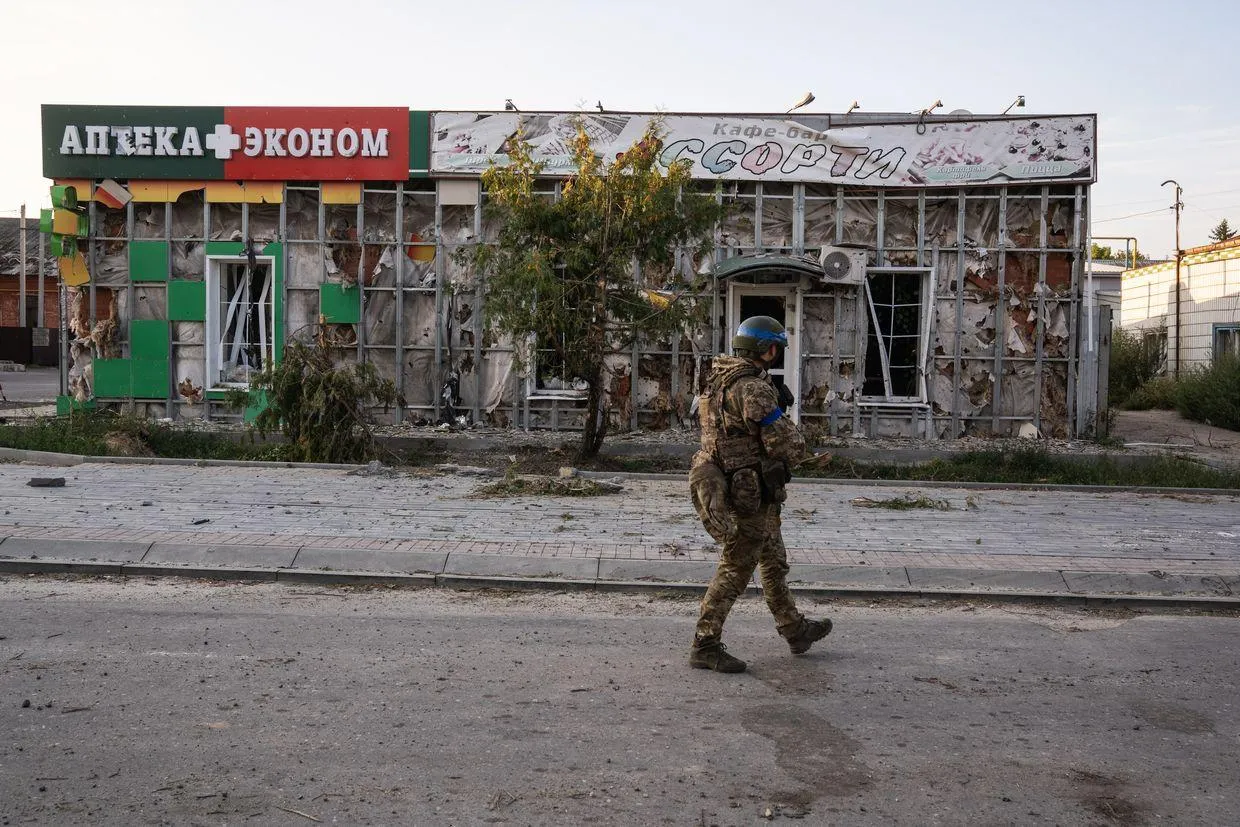
This created entirely different conditions for the Ukrainian army. It was necessary to supply troops already outside Ukraine, defend logistics routes, counter Russian aircraft and drones, and simultaneously continue combat operations on other sectors of the front.
The Kursk operation had another outcome as well. It was there that the Ukrainian Armed Forces amassed a significant pool of prisoners of war. According to the Ukrainian Armed Forces, from August 2024 to May 2025, 971 Russian servicemen were taken prisoner during the operation.
When viewed collectively, these operations reveal not only individual episodes of the war but also just how much the Ukrainian Defense Forces have changed during this time.
In 2014, the army was effectively rebuilding its combat capability while already engaged in combat operations. Ten years later, Ukraine was capable of simultaneously conducting ground offensives, naval raids, special forces insertions, strikes against targets deep behind enemy lines, and complex operations involving unmanned systems and intelligence operations.
The very scope of what was possible also changed. What seemed extremely risky or nearly impossible at the start of the war eventually became part of a much more complex system of warfare.
At the same time, this story is far from over. A significant portion of the most complex operations remains classified, and the public may not learn the details for years to come.




