
Russian propagandists passed off a girl from an orphanage as a rescued resident of Kostyantynivka
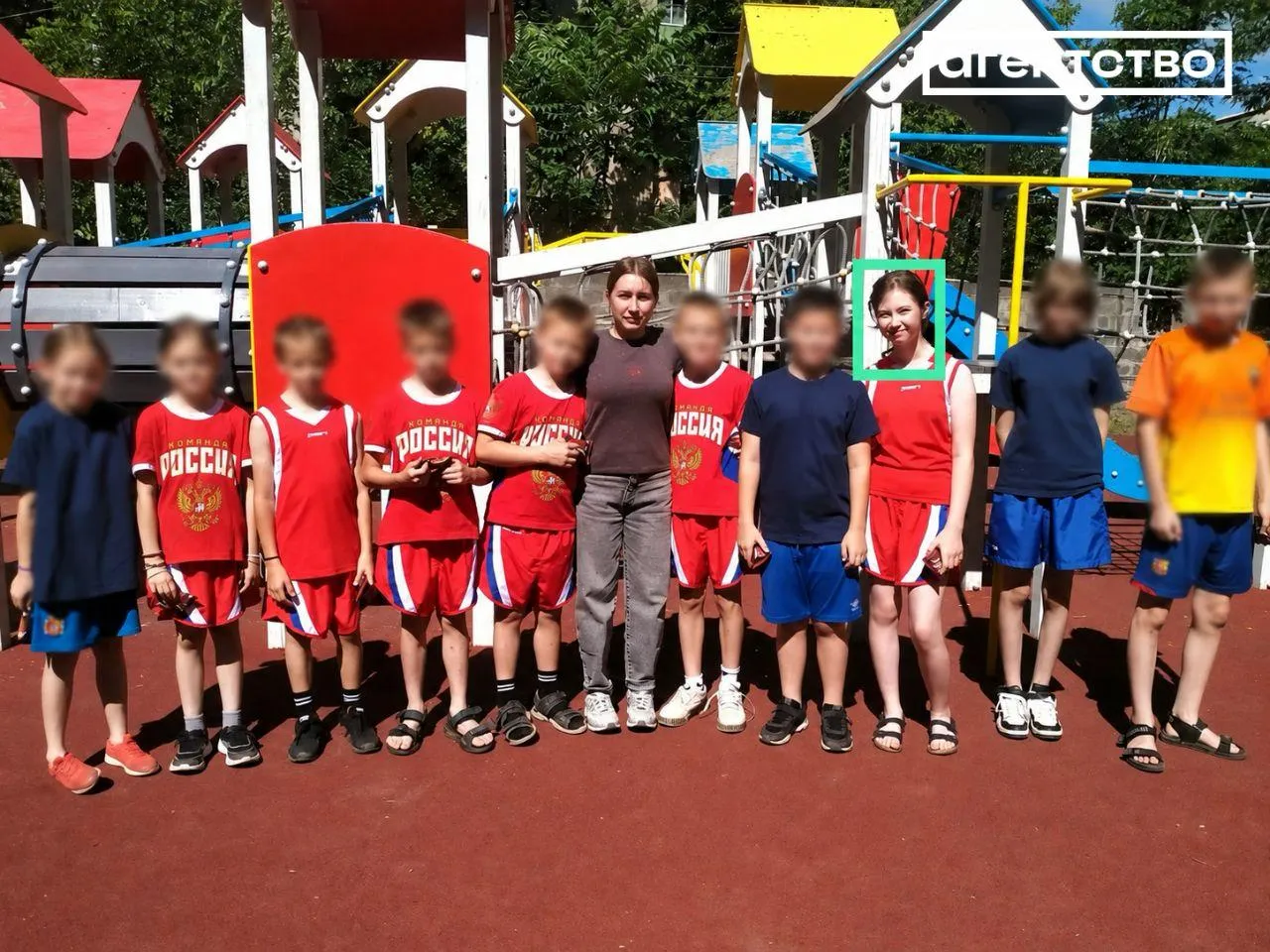
For several days, Russian state media circulated a story about an alleged 10-year-old girl whom Russian military personnel had “rescued” in the occupied town of Kostiantynivka. However, journalists discovered that the child had been at a social rehabilitation center in the occupied territory of Donetsk Oblast since at least early June. This casts doubt on one of the main narratives that Russian propaganda has been actively promoting in recent days.
The story began to spread widely on Wednesday. It was first reported by the Russian television channel “Zvezda,” which is owned by the Russian Ministry of Defense. The report claimed that Russian troops had found 10-year-old Sofia in Kostiantynivka. According to the girl, her mother was killed right before her eyes, and her grandparents had also died. The Russian side claimed that the child had allegedly been living alone in a basement, and that the military had been bringing her food and essential supplies for nearly a month.
Subsequently, state-run television channels, news agencies, and pro-Russian bloggers began widely circulating the story. In their reports, they gave the impression that the child had been evacuated just days after control was established over Kostiantynivka. Russian officials also joined the campaign. Maria Lvova-Belova, the Russian President’s Commissioner for Children’s Rights, stated that she was taking the situation “under her personal control.” “It is important to provide Sofia with psychological support, conduct a medical examination, and search for her relatives,” she wrote.
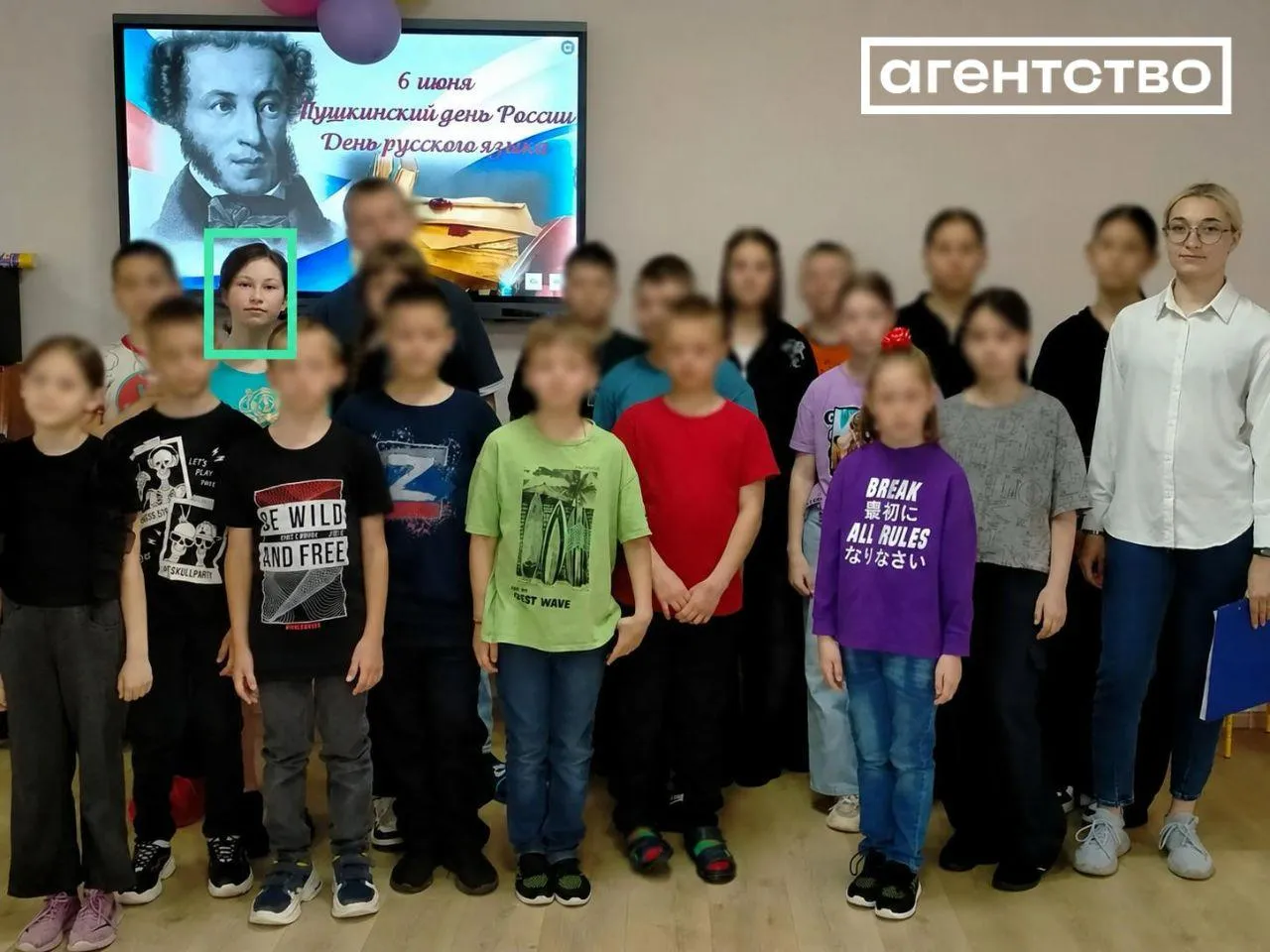
The next day, Lvova-Belova reported that the girl was already at a social welfare facility in the occupied territory of Donetsk Oblast, and she also published a video showing Sofia among other children. However, journalists from “The Agency” decided to verify this story. They found the girl in photographs that had been published as early as the beginning of June. In particular, Sofia appears in photos from an event marking Russian Language Day and Alexander Pushkin’s birthday, which took place at a social rehabilitation center for minors in Shakhtarsk. These photos were published by local pro-Russian media outlets and the press service of the so-called “DPR Ministry of Labor.”
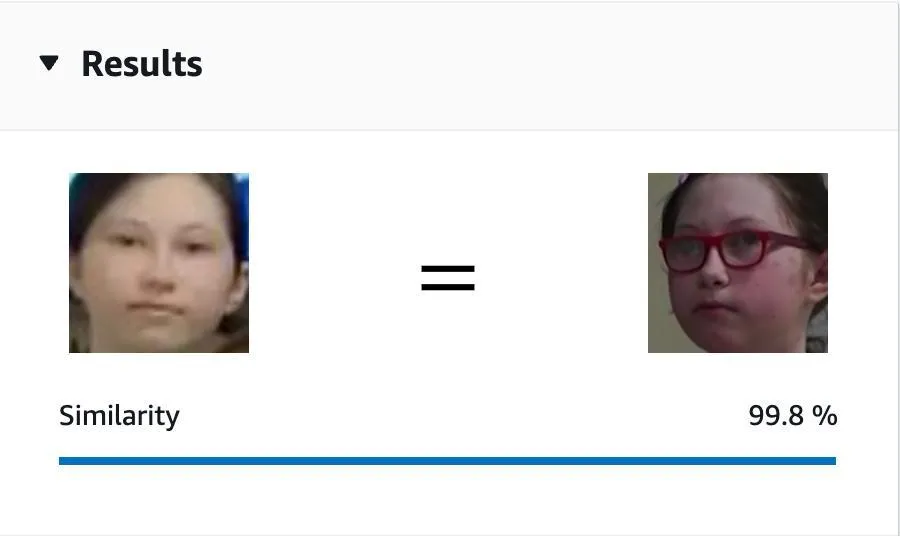
In addition, the child can be seen in other photos that the center itself regularly posted on the social network “VKontakte” on June 29, July 2, and July 3. According to the facility, it provides round-the-clock care for children aged three to 18 who find themselves in difficult life circumstances. In local directories, this institution is also listed as an orphanage.
Thus, the published photos indicate that the girl had been at this facility since at least June 5—that is, approximately one month before Russian media began reporting on her alleged recent rescue. At the same time, journalists emphasize that they were unable to independently determine exactly when the videos featuring the girl were recorded, under what circumstances she ended up in the children’s home, or whether her name is actually Sofia. “We don’t know how this girl ended up in the children’s home, when and under what circumstances the footage of her was filmed, or whether her name is really Sofia. But our analysis shows that at least part of the story being spread by Russian propaganda does not correspond to reality,” the authors of the investigation note.
The facts uncovered cast doubt on the official version that Russian state media have been actively promoting in recent days. So far, no evidence has been released to show that the girl was actually evacuated from Kostiantynivka at the exact time claimed by the Russian side. This is reported by Russian media.
As a reminder, a Russian strike destroyedthe office of a Kyiv-based children’s book publisher.
Russian troops struck Kharkiv and the surrounding region; four children were among the wounded.




