
The port shutdown caused grain prices to plummet and derailed Russia's plans, according to intelligence reports
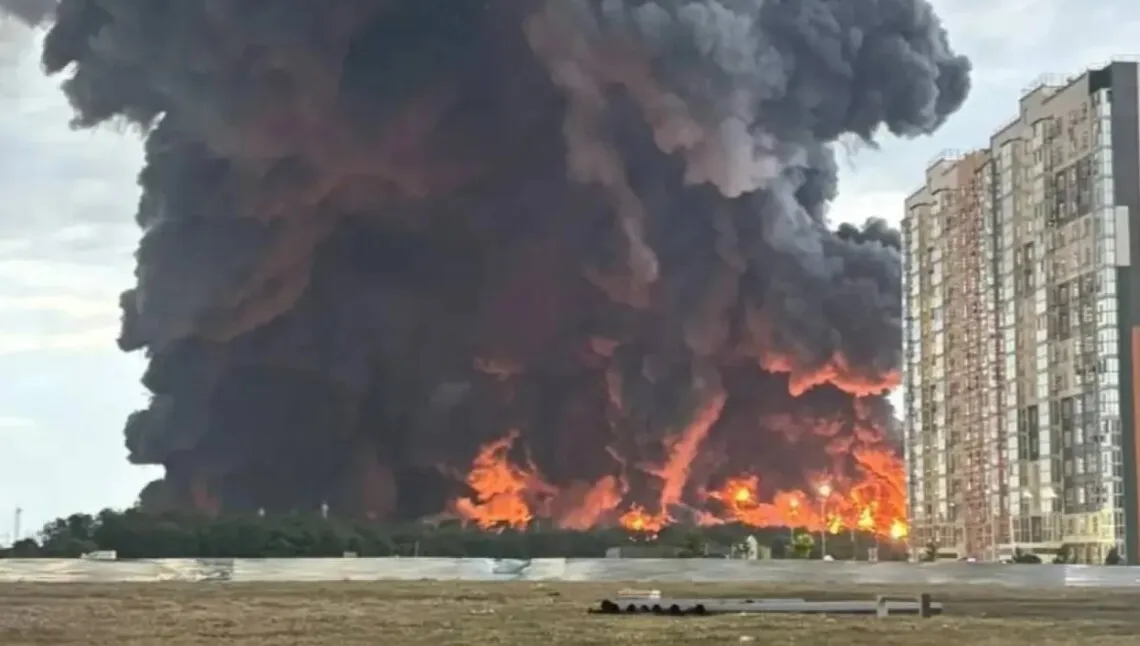
The shutdown of the main terminals in the Azov-Black Sea basin, which account for 88% of Russia’s seaborne grain exports, has caused a sharp drop in purchase prices and derailed the country’s export plans.
According to market intelligence, over the past week, the price of fourth-grade wheat in southern Russia fell by 19%—to 8,900–10,000 rubles per metric ton, or about $105–120. At the same time, the export forecast for August was reduced from 3.1 million metric tons to 1.8 million metric tons.
The decline in grain prices has already spread beyond Russia’s southern regions:
- in the central part of the country, grain prices have fallen by about 8%;
- in the Volga region, prices fell by 3%;
- the cost of road transport to deep-water ports fell by 10.4%—to 12,000 rubles per metric ton, or about $140–145.
Russia’s grain harvest in 2026 is expected to reach 140 million metric tons. At the same time, the forecast for wheat exports in the 2026–2027 season has been lowered to 44.6 million metric tons.
This creates the risk of unsold grain accumulating in elevators, increased storage costs, and forced sales at below-market prices. Farms with limited storage capacity are likely to be hit the hardest.
There are also issues with export prices. From August 11 to 18, wheat prices in Novorossiysk fell by $6 to $215 per metric ton FOB.
At the same time, prices for similar products in other regions were rising: in the Baltic region, they reached $255 per metric ton; U.S. wheat cost $283, and Romanian wheat cost $268 per metric ton.
The low price of Russian grain no longer compensates for limited access to ports and is prompting importers to seek alternative suppliers.
Russia will not be able to quickly redirect its export flows. According to the Foreign Intelligence Service, Baltic ports are capable of handling no more than 20% of the lost volume.
Furthermore, the Caspian region and the Far East lack the necessary infrastructure, and overland transit through Azerbaijan to Armenia amounts to only 43,000 metric tons.
The owners of the shut-down terminals are losing $50–70 million each month. The financial pressure is particularly acute for agricultural enterprises burdened with debt.
Due to a shortage of working capital, farms may face difficulties in purchasing seeds, fertilizers, and fuel, which poses a threat to the winter planting season.
The State Service for Food Safety and Consumer Protection (SSFSCP) notes that even a partial resumption of port operations will not allow for a rapid return to previous export volumes. The reasons cited include high insurance premiums and shipowners’ reluctance to call at Russian Black Sea ports.
The port of Tuapse could become a vulnerable bottleneck for the entire system, putting Russia at risk of losing part of its foreign markets for a long time or even permanently.
This was reported by the Foreign Intelligence Service of Ukraine (SZR).
Russian strikes on Ukrainian ports and problems with maritime exports could jeopardize not only this year’s grain shipments but also the 2027 planting season. Due to difficulties in selling their harvest, farmers risk being left without sufficient funds for seeds, fertilizers, fuel, and other necessary resources.
Ukrainian attacks using maritime and aerial drones on Black Sea ports in Russia, the aggressor state, have significantly disrupted grain and oil shipments. Novorossiysk—Russia’s largest port by cargo turnover, through which up to one-third of Russia’s grain exports pass—has been hit the hardest.


