
ALMA warns of 146 million additional malaria cases in Africa by 2030 — Premium Times Nigeria
In Nigeria, the African Leaders Malaria Alliance (ALMA) said that a 30% reduction in malaria-control funding could lead to 146 million additional cases of the disease in Africa by 2030. According to the alliance’s estimate, this could also result in nearly 400,000 deaths and a loss of $37 billion in GDP.
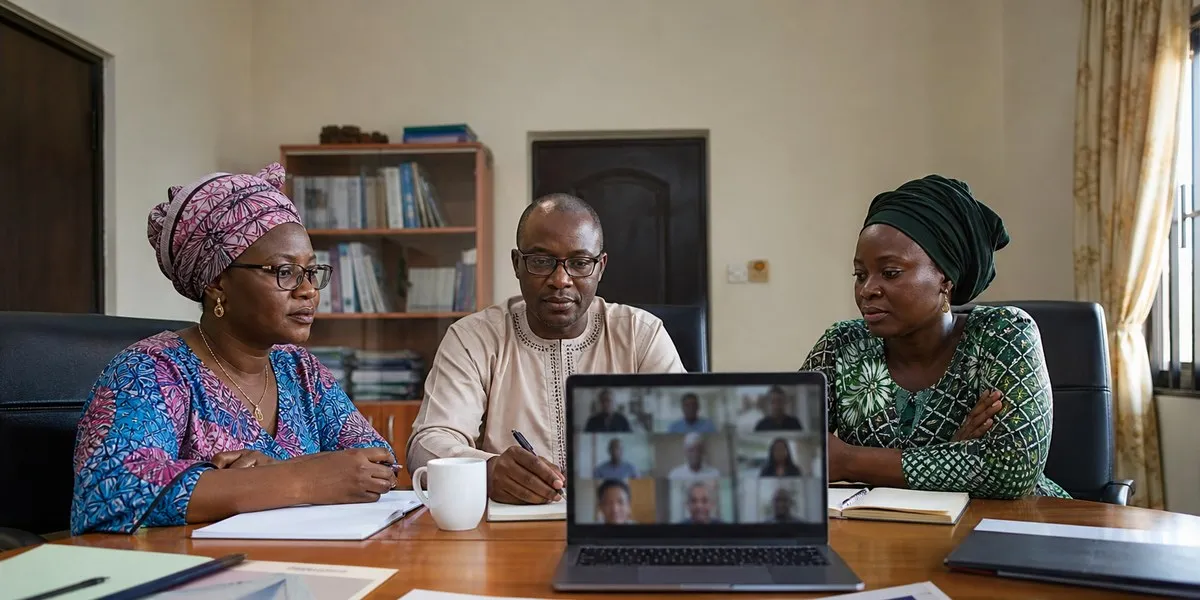
Premium Times Nigeria reports. The statement was made during a webinar on the sidelines of the 81st session of the UN General Assembly. The event, “Africa Leadership for Sustainable Malaria Financing: A Multisectoral Path to Elimination,” was organized by Botswana’s President and ALMA Chair, Duma Gideon Boko, in partnership with the African Union Commission and the RBM Partnership to End Malaria.
Risks to malaria control
Event participants noted that Africa currently accounts for 94% of global malaria cases and 95% of deaths from the disease. According to them, progress in malaria control has stalled amid a significant funding shortfall, extreme weather events, growing resistance to insecticides and medicines, and humanitarian crises.
African leaders also said that the latest replenishments of the Global Fund and Gavi fell short of their targets. At the same time, official assistance for healthcare needs in Africa, they said, continues to decline.
More current news is available on the UA.News Telegram channel Telegram.
Calls for funding
Participants called on African countries to secure malaria-control funding in national budgets and development plans. They also urged development partners to provide predictable support during the transition to greater domestic financing. In addition, the leaders proposed including malaria control in the World Bank’s IDA21 health agreements and considering the creation of a separate Malaria Booster program within IDA22.
Botswana’s president said that the continent has the tools, experience, and leadership to change the malaria situation, but needs sustainable financing and collective action. WHO Director-General Tedros Ghebreyesus stressed that sustained investment is critical to preventing the loss of gains already made. Gambia’s Vice President Muhammad Jallow warned that domestic financing is insufficient to provide the scale of investment needed to eliminate malaria.
The event also emphasized the importance of cross-border cooperation, local production, and innovation in combating the disease.




