
Ghana plans to upgrade traditional markets for round-the-clock trade — MyJoyOnline
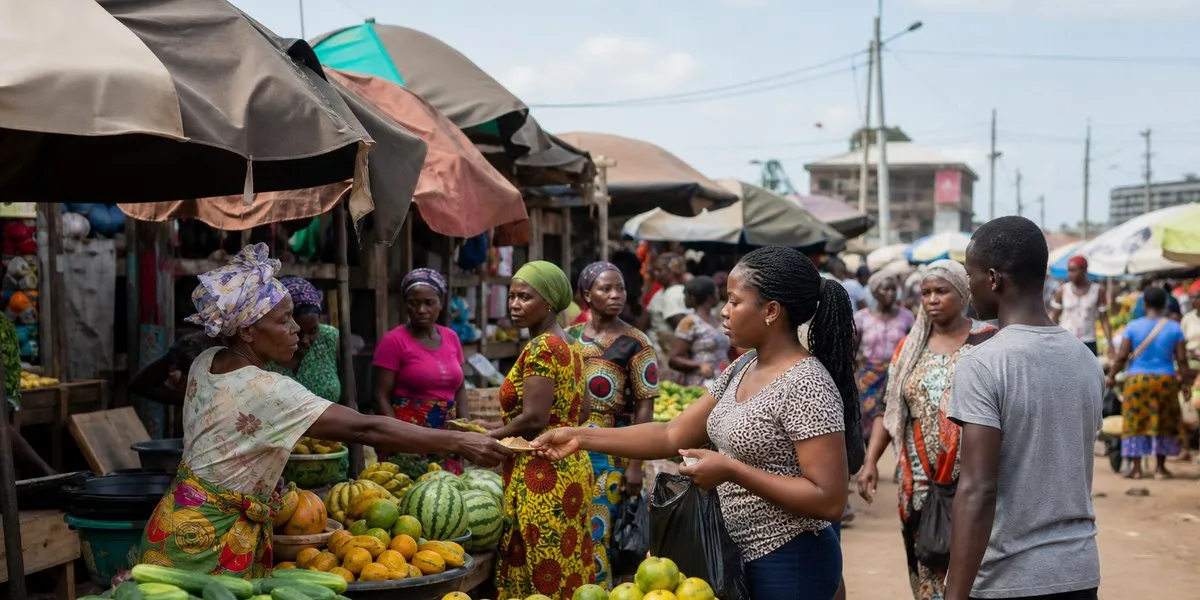
In Ghana, the 24-Hour Economy Markets initiative envisages transforming traditional markets in 261 administrative districts into modern multifunctional shopping centers operating around the clock. It was introduced by President John Dramani Mahama. The initiative is led by the Ministry of Local Government, Chieftaincy and Religious Affairs in cooperation with metropolitan, municipal and district authorities, MyJoyOnline reports.
Planned infrastructure
The new shopping centers are planned to include shops, warehouses and cold-storage facilities, banking and digital payment services, sanitation facilities, food establishments, childcare rooms, clinics, as well as police and fire service posts. Resources for implementing the initiative are to be directed to local government authorities so that market development takes into account the conditions of specific communities.
According to the data cited in the report, traditional open markets account for about 60% of Ghana's total retail sales. More than 90% of staple food products, including fresh fruit and vegetables, meat and frozen fish, both imported and domestically produced, are sold to consumers through them. At the same time, such sites face overcrowding, a lack of trading space, problems with drainage and waste disposal, fires and sanitary risks.
More current news is available on the UA.News Telegram channel Telegram.
Digital registration of traders
The report notes that digital registration of traders and their businesses may facilitate businesses' transition to the formal economy, improve record-keeping and help provide access to loans and working capital. Digital records of the allocation of shops and kiosks may also make the use of trading spaces more transparent.
Separately, the authors of the report link the initiative to monitoring compliance with restrictions on types of retail trade that Ghanaian legislation reserves for its citizens. In the authors' view, transparent records of users of commercial space may make it easier to identify irregular arrangements regarding its use, including suspicions of the use of front persons. The construction and equipping of markets are also expected to create employment opportunities for skilled and unskilled workers in communities.




