
Taras Shevchenko's Works Have Been Included in the Lithuanian School Curriculum — Delfi
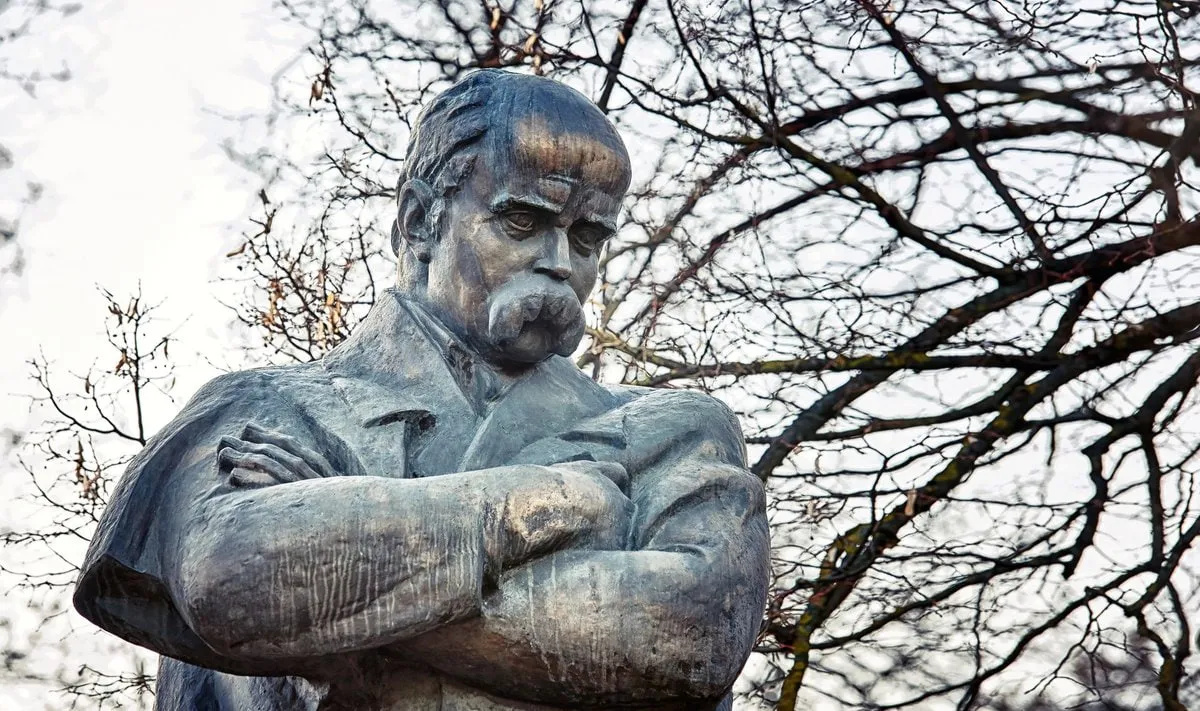
The Lithuanian Ministry of Education, Science, and Sports has included works by Ukrainian writer Taras Shevchenko in the general curriculum for Lithuanian language and literature.
This school year, his works will still be recommended reading, and starting in September 2027, his works will become required reading for 11th-graders taking the advanced course in Lithuanian language and literature.
“Taras Shevchenko is important not only to Ukrainians. He is a European-scale author of the Romantic era, whose works still allow us today to discuss universal themes of freedom, identity, human dignity, and cultural memory. In addition, he has a historical connection to Vilnius: the poet lived here for several years, studied painting, and fell in love with this city. There are also several memorials in Vilnius that honor his memory,” said Minister of Education Raminta Popovene.
According to the ministry, this school year, Shevchenko’s works may be recommended to eighth-graders, as well as to third-year gymnasium students studying Lithuanian language and literature in the general curriculum. The list of recommended works includes T. Shevchenko’s “Testament” and “To My Compatriots—Both Dead and Alive, and Those Yet Unborn—in Ukraine and Beyond Its Borders: My Friendly Message.”
Starting next school year, Shevchenko’s works will become required reading for third-year gymnasium students who have chosen the advanced course in Lithuanian language and literature. In the section of the curriculum devoted to Romanticism, students will study poems by the Ukrainian writer, which the teacher will select at his or her discretion.
This was reported by Delfi.
The Lithuanian government has decided to ban citizens of Russia and Belarus from purchasing real estate near classified facilities.
On September 25, national sanctions against Russian oligarchs Alisher Usmanov and Mikhail Fridman took effect in Lithuania. Both businessmen have been barred from entering the country for a period of five years, with the possibility of a subsequent review and extension of this ban.
Lithuania has begun its largest annual national mobilization exercises, “Vyčio skliautas 2026” (“Vytis’ Dome 2026”). During the exercises, the country will test its readiness to respond to a deteriorating security situation and transition to a mobilization regime in wartime conditions.




