
Columnist assesses environmental risks of a Taiwan war with China — Taipei Times
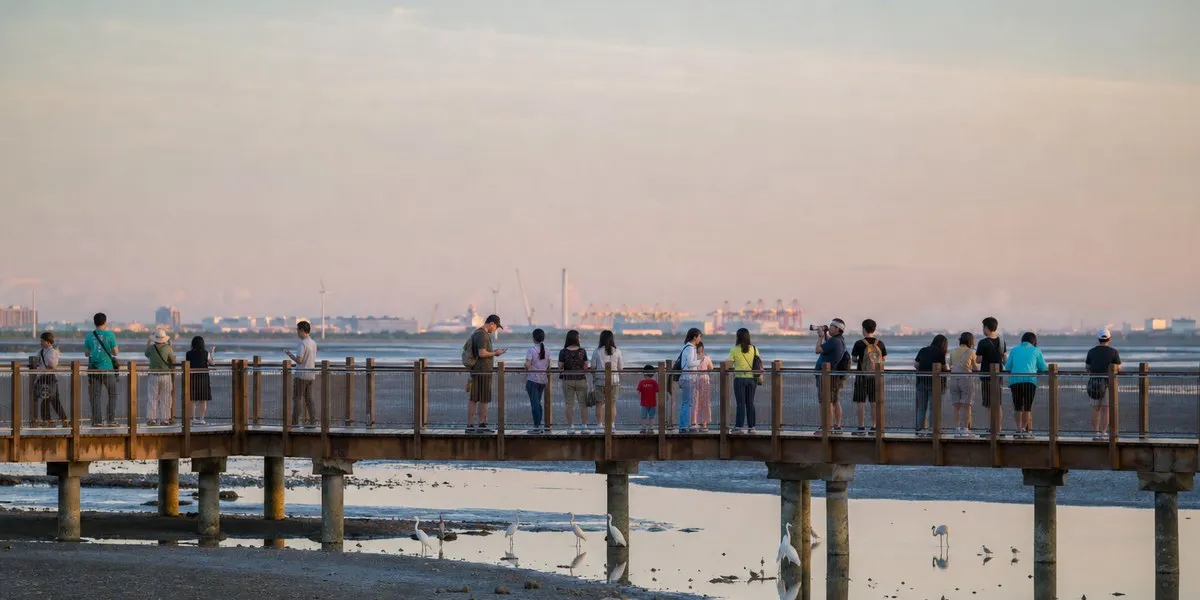
In Taiwan, a possible military conflict in the Taiwan Strait could cause long-term contamination of soil, water and the sea due to strikes on industrial facilities. Michael Turton gave this assessment in an opinion column for Taipei Times. As an example, he cites the area around the Gaomei Wetlands in Taichung, located near a port, chemical enterprises, cement plants, warehouses and wind turbines.
Risks to industrial areas
The author writes that strikes on chemical production facilities and hazardous substance storage sites could harm natural areas and wildlife. In his view, additional sources of pollution could include rocket fuel components, explosives and toxic metals from munitions. Turton also suggests that reservoirs and other water supply facilities could come under attack.
The columnist identifies illegal or improperly equipped industrial waste disposal sites as a separate problem. According to him, some waste was covered by development or left in the open, while the composition of substances at some sites is unknown. Damage to such facilities during shelling could worsen groundwater contamination, the author believes.
More current news is available on the UA.News Telegram channel Telegram.
Fires and evacuation
Turton draws attention to the risk of large-scale fires in forests, fields, on slopes and at industrial sites. He believes that during a war, fire brigades could be overwhelmed by extinguishing fires in buildings and at enterprises, while fires in natural areas would spread and produce toxic smoke and dust.
Among potentially vulnerable facilities, the author names petrochemical enterprises, east coast ports and the Asia Cement Corp cement plant near Xincheng in Hualien County. In his view, the consequences could include air and water pollution, oil leaks from sunken vessels, degradation of agricultural land and significant costs for cleaning up areas after hostilities.
The columnist stressed the need to pay greater attention to preparation for evacuation and emergency response. In his view, training should cover not only military personnel, but also residents, local community leaders and staff responsible for transmitting information and organizing evacuation. He also raised the issue of preparedness for a possible radiological incident amid plans to resume operations at at least one Taiwanese nuclear power plant.




