
Antarctica has accumulated a record 695 billion metric tons of ice over the past two years
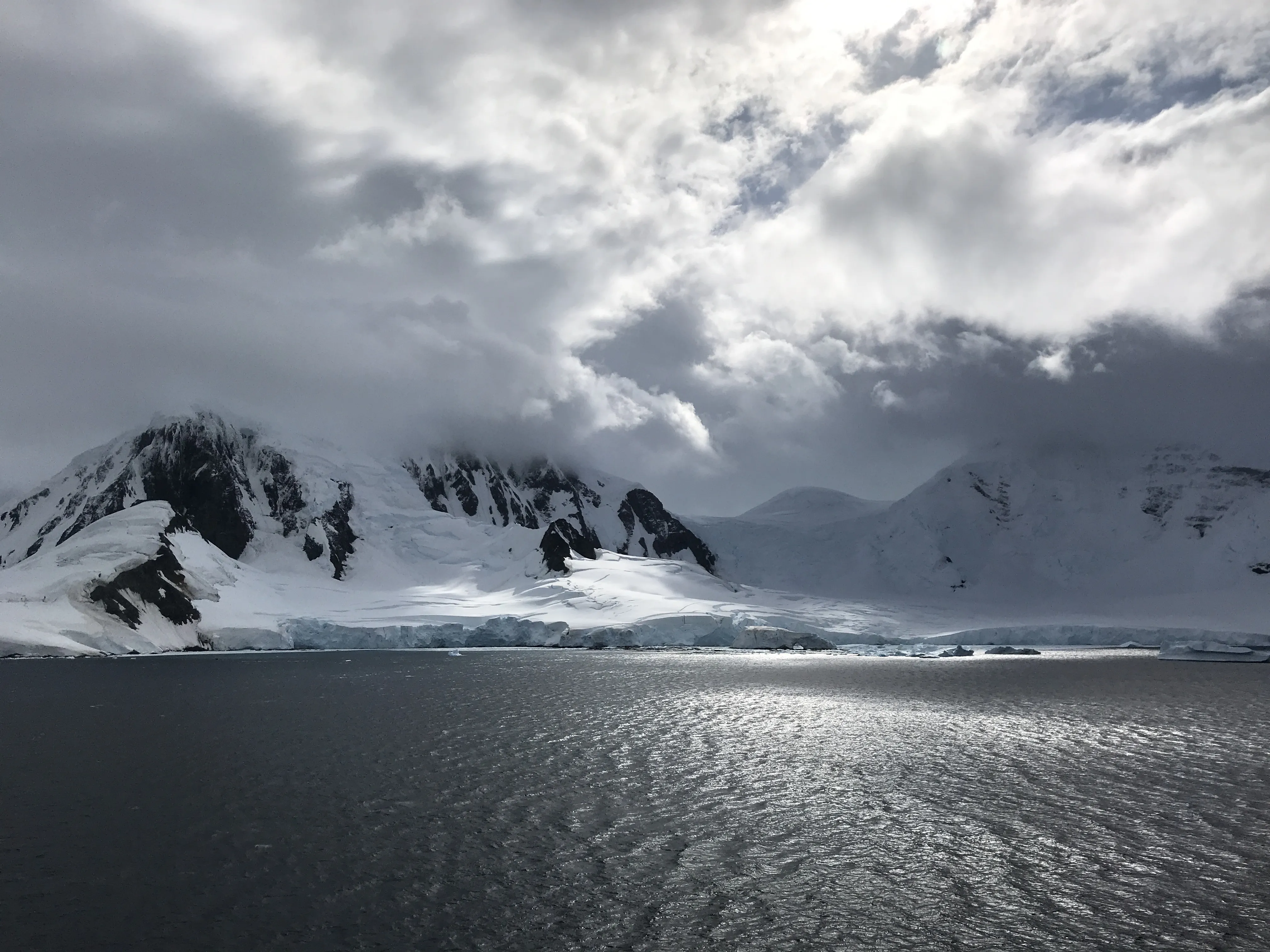
Between 2021 and 2023, Antarctica’s ice mass unexpectedly increased by about 695 billion metric tons. According to scientists, this is the largest increase in the last two decades, but the trend is likely temporary.
A study published in the journal *Nature* showed that the main cause was unusually heavy snowfall in East Antarctica. On average, from 2003 to 2024, the continent lost about 140.5 billion metric tons of ice annually. But from July 2021 to April 2023, the situation changed dramatically.
The most noticeable increase occurred in East Antarctica and on the Antarctic Peninsula, while West Antarctica continued to lose ice. Particularly strong accumulation was recorded on Queen Mary Land and Wilkes Land—about 470 billion metric tons.
Scientists compared satellite observations with precipitation and climate data and concluded that unusually intense snowfall accounts for a significant portion of the increase. In the region of Queen Mary Land and Wilkes Land, precipitation added approximately 351 billion metric tons of mass. This proved sufficient to temporarily offset losses in other parts of the continent.
Researchers attribute the unusual snowfall to elevated ocean surface temperatures in the so-called tropical warm pool—a large region between the western Pacific and the eastern Indian Ocean.
Prolonged warming in this region triggered atmospheric disturbances known as Rossby waves. These waves spread toward Antarctica and formed a high-pressure system over its eastern part.
Some of the moisture came from the mid-latitudes of the Indian Ocean and was carried southward by so-called atmospheric rivers, where it fell as snow.
However, scientists emphasize that the increase in ice mass does not mean that Antarctica has begun to recover. The western part of the continent continued to lose mass, especially in areas where this process has been observed for many years.
Researchers believe that this unusual event was largely due to natural climate variability. Such periods of sustained warming in the tropical ocean likely occur about once a decade, so a similar increase in ice could happen again.
According to scientists, the link between the tropical climate and Antarctica will help make climate models more accurate and improve forecasts of changes in ice cover and global sea levels.
A massive iceberg covering an area of 76.4 km²—roughly the size of Manhattan—broke off from the Peterman Glacier in Greenland. In some places, it is up to 150 meters thick. This is the largest loss of floating ice from the glacier since 2012 and the largest such calving event in the Arctic since 2020. Scientists have been monitoring the cracks for years and warn that two more ice masses could break off soon.
Source: Nature
As a reminder, Antarctica is rapidly turning green due to climate change.
We previously reported that Ukrainian polar explorers managed to observe the southern aurora near the “Academician Vernadsky” research station.
We also recall that Russian research vessels discovered reserves of 511 billion barrels of oil in British Antarctica, which is approximately 10 times the total 50-year production of the North Sea.


