
Argentina announces lithium partnership with South Korea
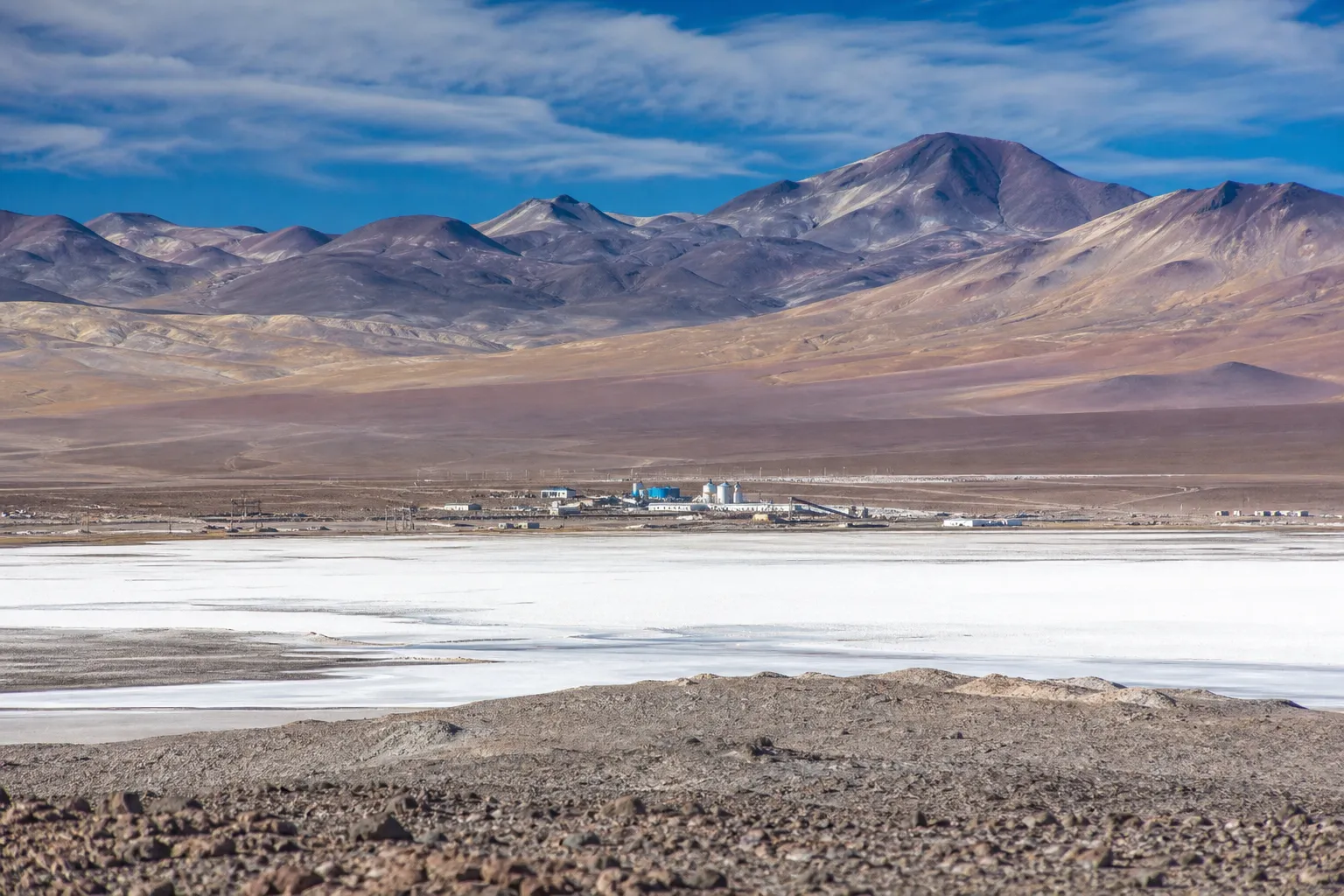
Argentina on July 31, 2026, announced a partnership with South Korea in the field of critical minerals, covering the entire lithium value chain. On the same day, the authorities approved Posco’s expansion of lithium carbonate production at the Salar del Hombre Muerto salt flat for export, the Buenos Aires Times reports.
According to the publication, Argentina’s RIGI large investment incentive regime is attracting investment to the sector. For registered projects, it provides guaranteed access to foreign currency and the free repatriation of funds for 30 years. The new agreements are being concluded amid efforts by the United States and its partners to diversify critical-mineral supply chains dominated by China.
Limited processing
Argentina has lithium and copper needed by global markets, but its capacity to process these raw materials is limited. China controls more than half of global lithium refining. Lithium carbonate produced by Posco in Argentina is sent to South Korea for processing into higher-value lithium hydroxide.
YPF’s technology unit built the country’s first lithium-cell plant, but its capacity is on a pilot scale — about one thousand stationary batteries per year. Under President Javier Milei’s administration, the government refocused YPF on oil and gas, while the battery project stalled, the Buenos Aires Times notes.
More current news is available on the UA.News Telegram channel Telegram.
The role of provinces and political risks
Lithium extraction in Argentina is concentrated in the provinces of Jujuy, Salta and Catamarca, while major copper projects are located in Andean provinces. Local community consent is important for the industry’s development, particularly regarding water use: lithium is extracted from brines in arid areas, while copper projects require substantial and long-term water supplies.
Benjamin Gedan, a senior fellow at the Stimson Center, told the publication that the social license will be the decisive factor. In his view, the significant role of provincial governments in mining could theoretically help better account for local realities.
Applications under the current RIGI mechanism will be accepted until July 2027. The Senate is still discussing the final structure of the proposed Super RIGI mechanism for investments exceeding US$1 billion at each stage. The publication notes that the production of cathodes, cells and battery assembly requires a long investment horizon.




