
Sindh Assembly in Pakistan approves amendments to local government law
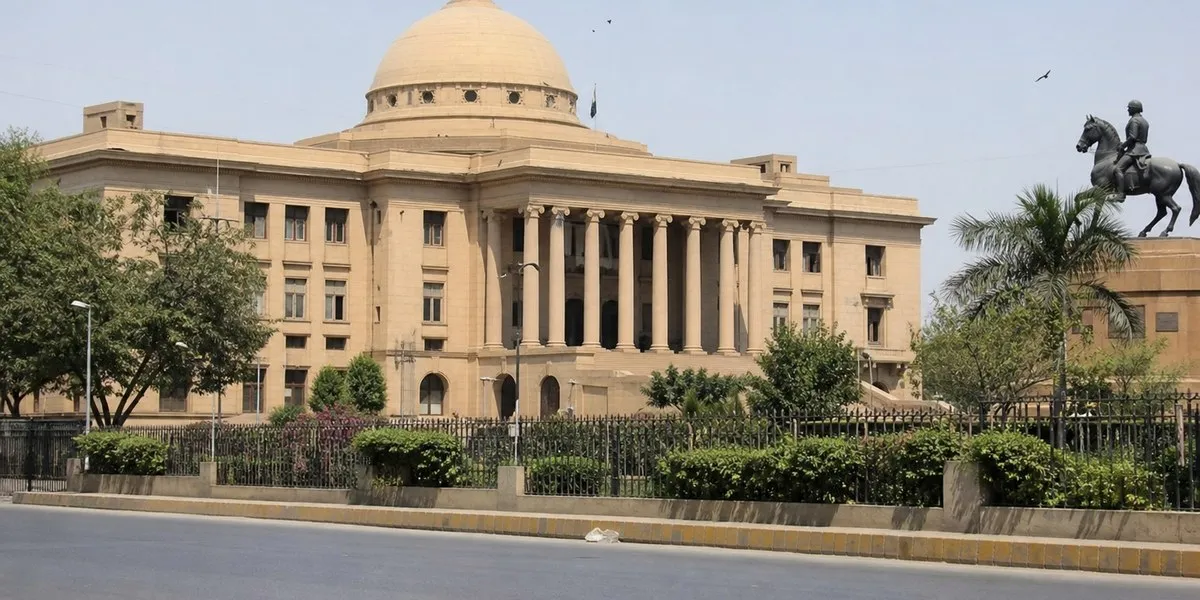
The Assembly of Pakistan’s Sindh province approved a bill on September 14 amending local government legislation. The vote took place amid loud protests and slogan-chanting by lawmakers from all opposition parties, Dawn reports.
The document provides for changes to the 2013 local government law. One of the key provisions establishes that after a council’s term ends, its mayor or chairperson whose term has expired will perform the functions of administrator until the newly elected head takes office.
Opposition protest
Law Minister Ziaul Hassan Lanjar sought permission to introduce the bill after a report by a special committee established to consider the proposed amendments was presented. When the document was introduced in the chamber, opposition lawmakers gathered in the aisles and chanted slogans against the changes. This disrupted the proceedings for several minutes.
Earlier, all opposition parties in the Sindh Assembly jointly rejected the proposed changes, calling the bill unconstitutional and an attempt to weaken elected local government bodies.
More current news is available on the UA.News Telegram channel Telegram.
Council powers and new forums
The amendments oblige the government to approach the Election Commission of Pakistan 120 days before the end of a council’s term in order to hold new elections within that period. The government will also be able to assign the duties of deputy mayor or vice-chairperson to another council member if the official is outside Pakistan or unable to perform their functions.
The bill allows councils to establish institutions independently or within public-private partnerships. It also provides for the creation of conciliation forums in every union council, union committee, town committee, and municipal committee. Each forum will consist of three mediators nominated by the council from among local residents known for integrity, prudence, and authority.
The forums will handle the peaceful settlement of local disputes in accordance with established procedures. Mediators will hold office for the duration of the council’s term and may be removed for systematic bias or abuse. Union councils must also identify problems with solid waste management, building control violations, and unauthorized construction, passing the information to the relevant authorities.


