
An attack on a vessel in the Strait of Hormuz disrupted the evacuation of the stranded ships
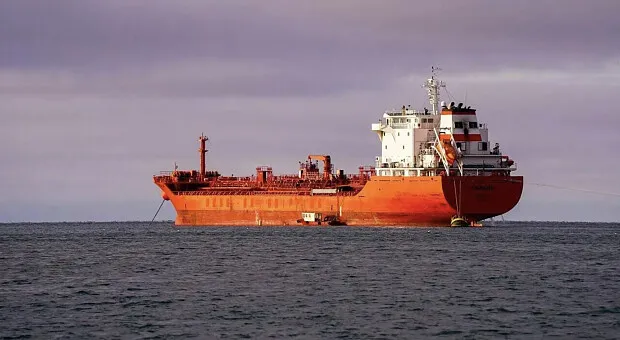
On June 26, the International Maritime Organization suspended its plan to evacuate ships that remained stranded in the Strait of Hormuz. The decision was made following an attack on a ship passing through one of the world’s most important maritime routes.
The UN agency did not name the vessel or specify who carried out the attack. This incident posed yet another test for the temporary agreement between the U.S. and Iran to restore passage through the strait and extend the ceasefire between the two sides for 60 days.
Earlier on Thursday, Iran’s powerful Revolutionary Guard stated that coordination with its naval forces is “mandatory” for ships passing through the strait, and warned vessels against using any unauthorized routes.
The International Maritime Organization (IMO) reported that the vessel that was attacked was not transiting the strait as part of its evacuation plan.
The British organization Maritime Trade Operations reported that the cargo ship was struck by an “unknown projectile” near the coast of Oman. There were no casualties, but sailors were advised to navigate the area “with caution.”
According to two people familiar with the situation, the vessel was the Singapore-flagged container ship “Ever Lovely,” owned by the shipping company Evergreen. Evergreen did not immediately respond to a request for comment, the Financial Times reported.
Despite the declared ceasefire in the Strait of Hormuz, an attack on a cargo ship occurred near the coast of Oman on June 25.
As a reminder, prior to this, Oman had opened a temporary corridor in the Strait of Hormuz off its coast to allow ships to pass through, so they could avoid approaching the Iranian coast. Iran still wants to charge fees for passage through the strait.
Qatar has begun preparing its tanker infrastructure and plans to restore liquefied natural gas (LNG) production to normal levels within a few weeks.
Fertilizer exports through the Strait of Hormuz have risen to pre-war levels, according to Bloomberg.
Global oil prices fell sharply on Thursday, June 19, amid reports of an agreement between the U.S. and Iran. Brent futures fell to $77.96 per barrel, and WTI futures to $74.96, the lowest levels since late February.


