
SCMP author describes Chinese scholars’ changing views of Trump
Chinese officials and scholars discussed by the author of a South China Morning Post column have changed their attitude toward the policies of US President Donald Trump: from alarm during his first term to restrained confidence now. The author notes that he can speak specifically about the views of officials and scholars, rather than all residents of China.
In the author’s view, Chinese scholars widely believe that Trump’s actions are weakening the US alliance system and accelerating the formation of a multipolar world. He also argues that the US president is expanding executive powers, imposing tariffs on both partners and rivals, and reducing the American contribution to global public goods.
Tariffs and trade confrontation
The author notes that a tough stance on China has bipartisan support in Washington. At the same time, according to his description of the Chinese side’s assessment, Trump’s tariff policy carries an economic cost for the United States itself.
When tariffs on Chinese goods reached 145%, American retailers, farmers and manufacturers voiced criticism, and the White House eventually agreed to a trade truce, the author writes. He indicates that in China this was perceived as a sign that Trump’s toughness is a negotiating tactic rather than an uncompromising campaign.
More current news is available on the UA.News Telegram channel Telegram.
Technology and governance models
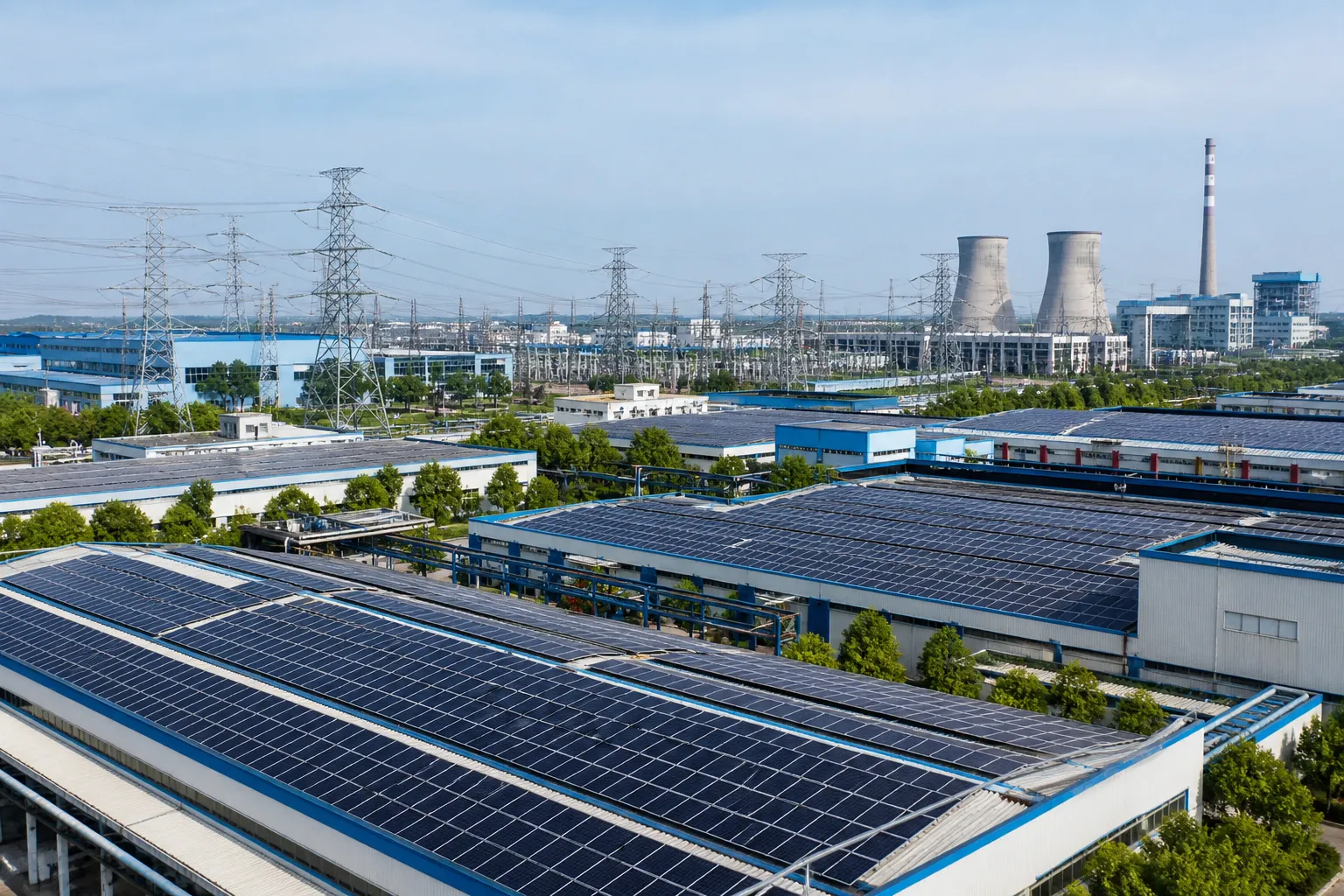
According to the author, external pressure has encouraged Chinese companies to develop their own manufacturing and technological capabilities. Chinese chipmakers increased production of chips made using the 28-nanometre process, while local chip-design software accounts for a quarter of the domestic market. Chinese solar panels and electric vehicles, he claims, have found new buyers in Southeast Asia, the Middle East and Latin America.
The author also describes the view of Chinese scholars that the political continuity of five-year plans and China’s industrial scale may narrow the gap with the United States. At the same time, the column acknowledges US advantages in capital markets, universities, accumulated research, advanced chips and foundational artificial intelligence algorithms. China, in the author’s assessment, still lags behind in precision engineering and some industrial software.
The author concludes that Beijing, as he describes it, seeks to compete with the United States without conflict — through more effective governance, manufacturing and long-term planning.


