
Dawn authors propose developing biomass market to combat smog in Pakistan
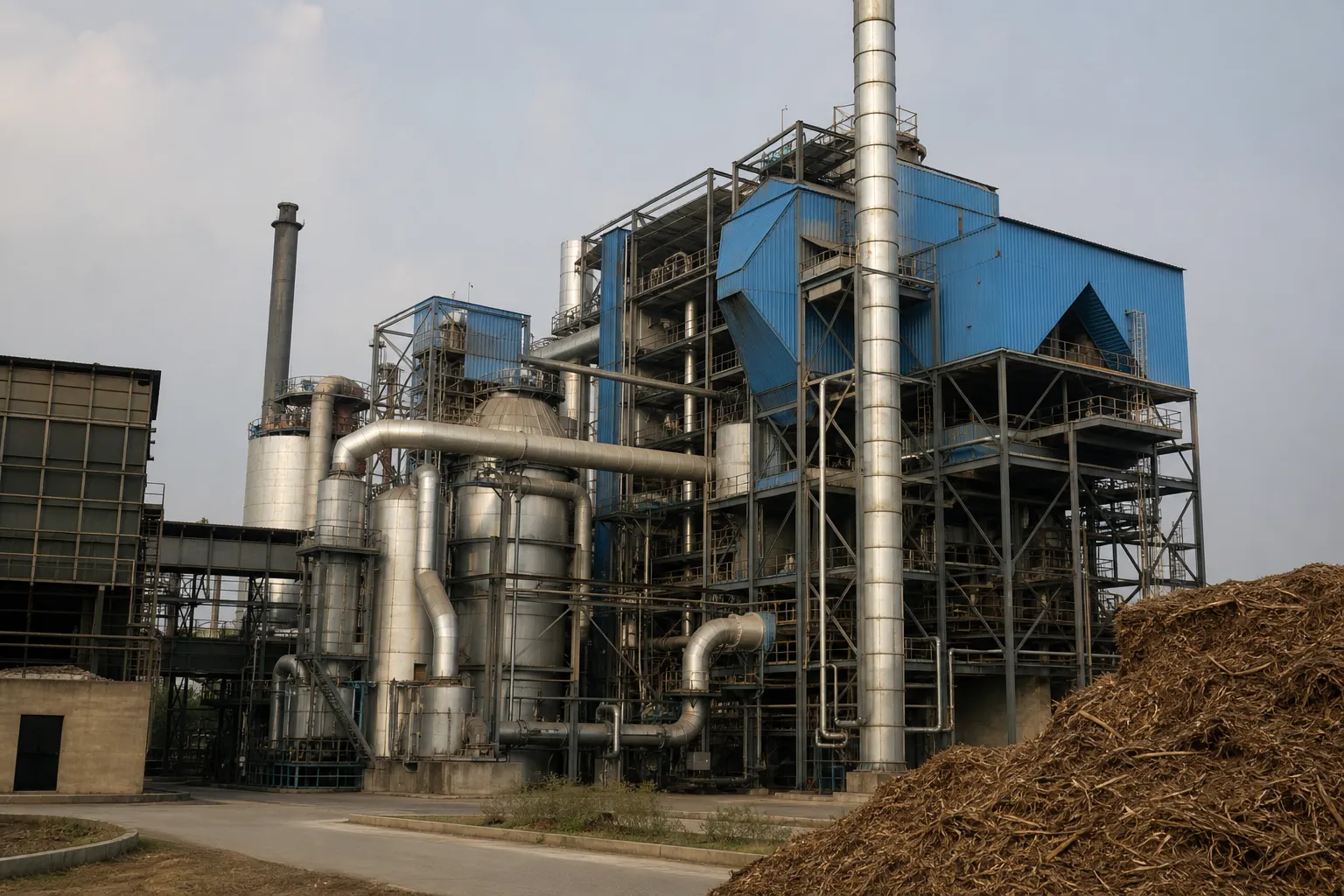
Last month, the chief minister of Pakistan’s Punjab province inaugurated a high-tech steam plant in Sheikhupura that is expected to use about 72,000 tonnes of biomass as fuel annually. An article by Dawn notes that burning crop residues at a facility with emissions-cleaning systems is a cleaner alternative to burning them directly in the fields.
The publication’s authors, Khalid Saeed Wattoo and Dr Waqar Ahmad, link autumn smog in Lahore and other cities to the burning of rice straw and stubble. In late October and November, farmers clear fields after the rice harvest to prepare them within a few days for planting subsequent crops, including wheat, oilseed crops, potatoes and vegetables.
The value of rice straw
According to the authors’ estimate, Pakistan produces approximately 10 million tonnes of rice annually, while rice cultivation generates about 10 million tonnes of biomass. Straw is used as livestock feed, animal bedding, fuel, mulch and material for composting. However, about 40% of this raw material is still burned in rice fields, especially after harvesting with conventional combines that leave chopped residues on the ground.
More current news is available on the UA.News Telegram channel Telegram.
The authors state that about 4 million tonnes of rice straw are lost this way every year. At a price of 500–600 Pakistani rupees per 40 kilograms, its value exceeds 55 billion rupees. Large industrial enterprises are increasingly switching to biomass because of the high cost of electricity, oil and gas, but farmers cannot sell residues without access to mechanized collection and baling.
Proposals for Punjab
In the authors’ view, the authorities should develop a separate system for collecting, baling and supplying crop residues. This requires suppliers equipped with balers, stubble shredders, windrowers, loaders and trailers, as well as biomass buyers — power plants, paper mills and other industrial enterprises.
Punjab’s high-tech agricultural mechanization financing program already includes balers available to farmers and service companies through interest-free bank loans. However, the authors described demand for this equipment as low and proposed providing targeted subsidies to service providers instead of loans, since they have a short working season after the harvest.




