
Al Jazeera column authors call for stronger Ebola response in the DRC
The authors of an opinion piece published by Al Jazeera English stated that response capacity for the Ebola outbreak in the Democratic Republic of the Congo needs to be increased twofold or threefold. The outbreak began after the Bundibugyo virus was confirmed.
As of August 21, authorities in the DRC reported 5,290 confirmed cases and 2,516 deaths across 56 health zones. The opinion piece describes this outbreak as the second largest of all recorded Ebola outbreaks and as spreading faster than previous ones. According to the authors, its spread is being facilitated by instability linked to decades of armed conflict, which has weakened the rule of law and social services and forced more than one million people to leave their homes.
Protection of medical workers and engagement with communities
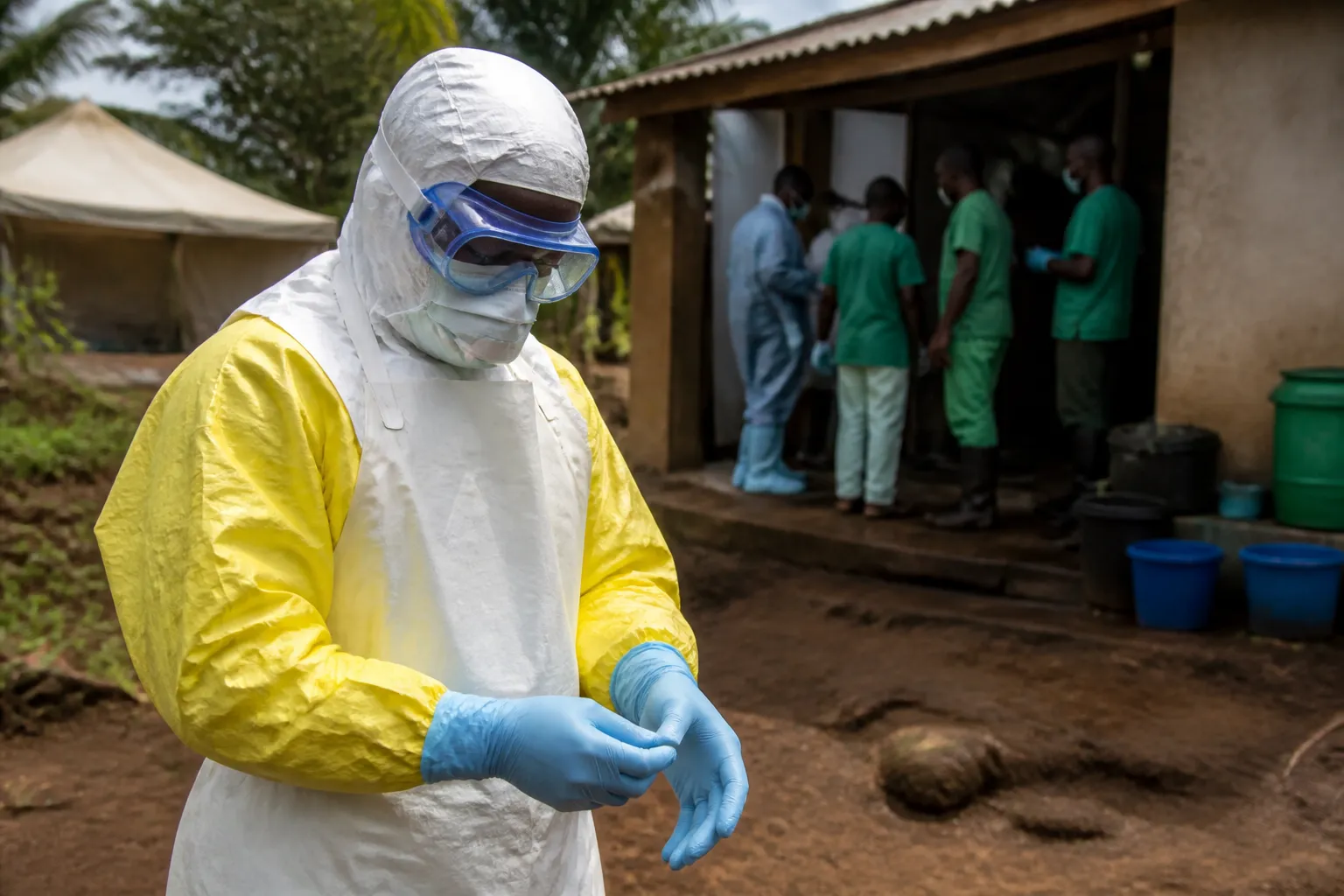
Medical workers, laboratory staff, contact-tracing specialists, public health workers and burial teams are involved in containing the infection. They work in dangerous and hard-to-reach areas, and some workers have contracted Ebola while on duty.
More current news is available on the UA.News Telegram channel Telegram.
As of August 20, the infection had been detected in 158 healthcare workers, 45 of whom died. The authors of the opinion piece stressed the need to provide medical facilities with trained personnel, personal protective equipment, clean water, sanitation and effective infection prevention systems. They also pointed to the need for timely pay, psychological support, rapid diagnosis and quality supportive care for staff who fall ill.
Surveillance and coordination
National authorities, Congolese specialists, the WHO, Africa CDC and partners are expanding surveillance, deploying laboratories, supporting treatment centers, strengthening infection prevention and supplying necessary materials. According to the authors, local transmission of the virus has been interrupted in Uganda, as well as in several health zones in northern Ituri and South Kivu.
Among the priorities, the authors named early case detection, contact tracing, safe clinical care, and safe and dignified burials. They also stressed coordination between countries: information sharing, surveillance and the readiness of health services along routes used by people should be priorities, rather than border closures or general restrictions on travel and trade.


