
The Baltic states are pressuring the EU to speed up the ban on Russian oil
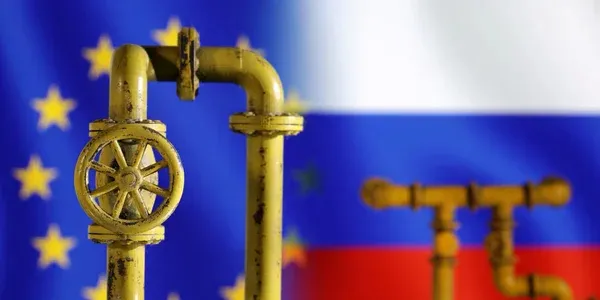
The Baltic states are calling on the European Union to expedite a decision on a complete ban on Russian oil imports, arguing that there is no longer any economic or energy-related justification for further delays. The issue is being discussed in Brussels, but a specific timeline for a decision remains unclear. Against this backdrop, differences persist among member states regarding the pace of phasing out Russian energy sources.
Estonia, Latvia, and Lithuania have appealed to European Union leaders to accelerate the process of imposing a complete ban on Russian oil imports, arguing that previous concerns about an energy crisis, particularly due to events in the Middle East, have not materialized, and therefore there is no point in postponing the decision any further. According to the Financial Times, this issue was discussed among European energy ministers, but progress on the initiative remains difficult due to differing positions among member states.
Initially, the European Commission had planned to put forward a proposal for a phased ban on Russian oil imports as early as this spring, but the proposal was removed from the agenda amid concerns about the stability of energy supplies due to global risks, including potential disruptions in transit through the Strait of Hormuz. Despite this, the Baltic states insist that Russia’s energy revenues directly finance the war against Ukraine, and therefore the EU must act more quickly and decisively.
At the same time, there remains resistance within the European Union from countries that are partially dependent on Russian oil or fear rising energy prices, including Hungary and Slovakia. Some officials acknowledge that even with political consensus, a complete overhaul of the energy market will take time, as phasing out fossil fuels and reorienting supplies are complex and lengthy processes. The FT reports this, citing sources.
Estonia will transfer an additional 125,000 euros to the Ukraine Energy Support Fund. This will bring the country’s total contribution to the fund to 2.75 million euros.




