
Johnson denied that he had derailed Ukraine's negotiations with Russia
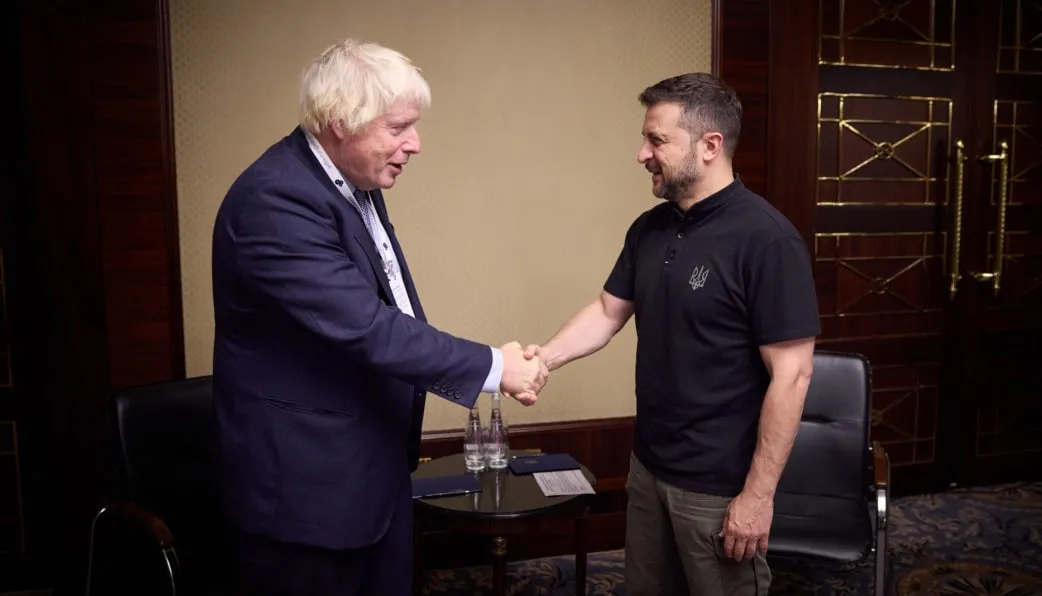
Former British Prime Minister Boris Johnson has rejected claims that, during a visit to Kyiv in 2022, he allegedly persuaded Volodymyr Zelenskyy to abandon negotiations with Russia. He called such accusations Russian propaganda.
According to Johnson, during his conversation with Zelenskyy, he merely expressed concern about a potential agreement and assured Ukraine of the United Kingdom’s support. At the same time, available assessments of the talks indicate that at that time, the parties did not have a peace agreement ready for signing, and differences remained regarding territory, security, and military restrictions.
According to Johnson, Ukraine’s decision to continue resisting the Russian invasion was not the result of pressure from the United Kingdom or other Western nations.
He emphasized that the Ukrainians themselves “wanted to resist, wanted to fight, and wanted to defend their country,” and no foreign leader could have forced them to abandon that course.
Johnson called Russia’s claim that his April visit to Kyiv was the reason for the breakdown of negotiations between Ukraine and Russia “utter nonsense.”
“There was not a single European or Western leader who could, in theory, have stopped Ukrainians from fighting for their country. The only thing I wanted to tell him [Zelenskyy] was: ‘If you want to keep fighting, then we’ll be right there with you,’" the former British prime minister said.
Johnson also expressed the view that Ukrainian President Volodymyr Zelenskyy might agree to a peace deal that would provide for a cessation of hostilities along the line of contact.
At the same time, he said, Russian dictator Vladimir Putin would not agree to such an option.
For several years, Russian authorities have been promoting the narrative that negotiations between Kyiv and Moscow in the spring of 2022 were allegedly close to completion, but that Ukraine walked away from them after Johnson’s visit to Kyiv. Johnson himself rejects these claims.
Johnson made this statement in an interview with the School of War podcast.
Boris Johnson criticized the appointment of the new British foreign minister.
British Foreign Secretary Ed Miliband held his first meeting since his appointment with the European Union’s top diplomat, Kaia Kallas.
U.S. Ambassador to the United Kingdom Warren Stevens expressed hope that the critical views of the new British Foreign Secretary, Ed Miliband, toward U.S. President Donald Trump have changed. He made this statement on July 23 in comments to Sky News, according to “European Truth.”


