
Bulgaria is asking the EU for help due to the risk of Russian interference in the elections
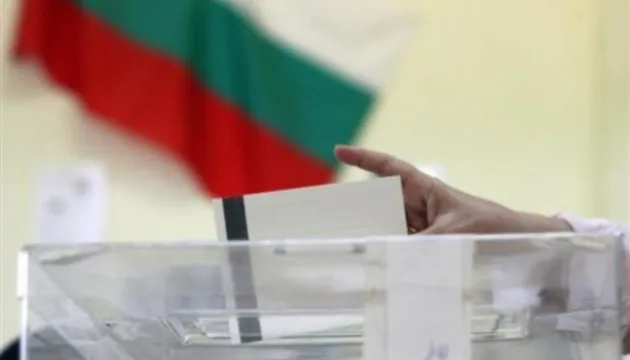
Bulgaria has asked the European Union for support in countering potential Russian interference in the parliamentary elections scheduled for late April.
This was reported by Politico.
According to the publication, Bulgarian officials sent a request last week to the European External Action Service (EEAS), which coordinates efforts to detect and analyze foreign influence campaigns.
Sofia also requested the activation of the rapid response mechanism under the Digital Services Act (DSA). This involves cooperation with leading tech companies—Meta, Google, TikTok, and others—to quickly identify and halt disinformation campaigns in their early stages. The European Commission confirmed that the relevant process has already begun.
A letter to the European Commission and the EEAS states that the request was submitted “in view of the heightened risk of coordinated disinformation campaigns and foreign interference that could undermine the integrity of the electoral process.”
This step is part of the government’s broader efforts to counter external influence. In particular, the Bulgarian Ministry of Foreign Affairs has established a temporary unit to coordinate such measures and has engaged investigative journalist Hristo Grozev as an advisor.
The government is stepping up preparations for the parliamentary elections scheduled for April 19. A recent report by the Center for the Study of Democracy notes that the country “has one of the most conducive information environments for malicious manipulation and one of the least prepared response systems.” It also warns of increased activity by Russian influence networks.
According to sources, Bulgaria previously avoided public statements regarding possible interference, but the Ministry of Foreign Affairs now considers this issue a priority.
Earlier, Hungarian opposition leader Péter Magyar stated that Viktor Orbán’s Fidesz party, together with Russian political strategists, is preparing a large-scale campaign to discredit opponents ahead of the parliamentary elections scheduled for April 12, 2026.
The Russian government plans to interfere in Hungary’s parliamentary elections, scheduled for April, to help ensure the victory of the country’s current Prime Minister, Viktor Orbán.


