

Even someone who spends millions of dollars every year on their own health cannot completely protect themselves from disease. Just recently, American entrepreneur and the world's best-known biohacker Bryan Johnson revealed that doctors had diagnosed him with autoimmune gastritis — a condition in which the immune system gradually destroys the lining of the stomach.
“My stomach is eating itself,” he wrote on X, explaining that this disease had likely been the cause of his unexplained iron deficiency for years despite continuous medical monitoring.
The news sparked widespread attention because Johnson has long become a symbol of modern biohacking. After selling his company Braintree for nearly $800 million, he dedicated his life to an ambitious goal — slowing down the aging process as much as possible.
UA.News explains who Bryan Johnson is, how he built his fortune, why he turned his own body into a scientific experiment, whether his methods really help slow aging, and what modern science has to say about them.
Who Is Bryan Johnson: From an Ordinary Boy in Utah to a Silicon Valley Millionaire
Today, Bryan Johnson's name is primarily associated with the fight against aging. He has been called "the man who wants to live forever," "the world's most famous biohacker," and even "the millionaire buying youth."
However, just a decade ago, most people had never even heard of him. Ironically, Johnson earned his first hundreds of millions of dollars from something entirely unrelated to health.
He became one of the entrepreneurs who fundamentally transformed the modern world of online payments.
Bryan Johnson was born on August 22, 1977, in Provo, Utah, into a large family. He grew up in a strict Mormon household where discipline, hard work, and self-control were not merely virtues but a way of life.
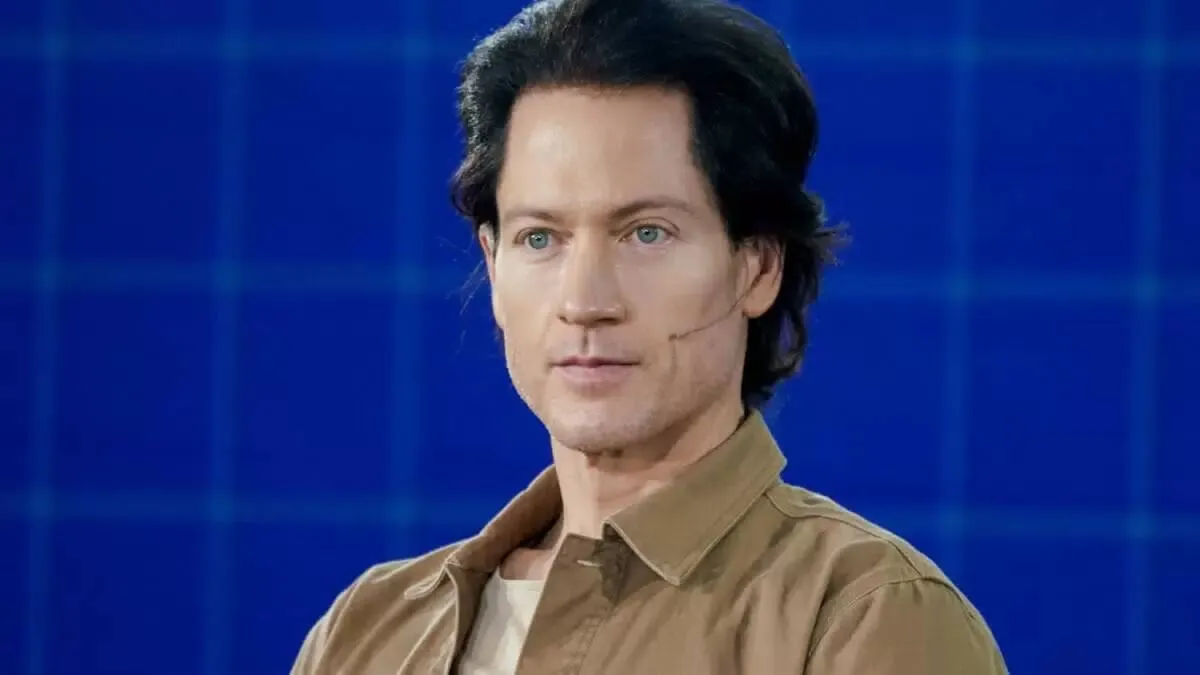
In his younger years, his life was far from an ideal success story. Johnson has repeatedly spoken about struggling with depression, being overweight, eating fast food and sweets, and working excessively, while paying little attention to his health.
Today, he considers that period one of the key factors that may have contributed to the development of his autoimmune conditions.
In the early 2000s, Johnson decided to try his hand at entrepreneurship. After several unsuccessful ventures, he founded Braintree in 2007, a company that developed payment solutions for online stores and mobile applications.
At that time, e-commerce was only beginning its rapid growth. Businesses needed simple and reliable payment processing services, and Johnson was among the first to recognize the enormous potential of this market.
The decision proved to be an outstanding success. Within just a few years, Braintree was serving thousands of companies, and in 2012 it acquired Venmo, which would later become one of the most popular payment applications in the United States.
The next step turned Johnson into a multimillionaire.
In 2013, PayPal acquired Braintree for approximately $800 million. The deal gave Johnson the financial freedom that ultimately allowed him to begin the most extraordinary experiment of his life.
It seemed like the classic story of a successful entrepreneur. But instead of buying yachts, football clubs, or space rockets, Johnson made a choice that surprised even Silicon Valley.
He decided to invest his fortune in... himself.
How Bryan Johnson Became the World's Most Famous Biohacker: The Story Behind Project Blueprint
Selling Braintree for $800 million could have been the perfect ending to a classic American success story. Most entrepreneurs either retire after such a deal or launch another business.
Bryan Johnson chose a third path.
He decided to invest his money in the most ambitious project of his life — an attempt to defeat aging.
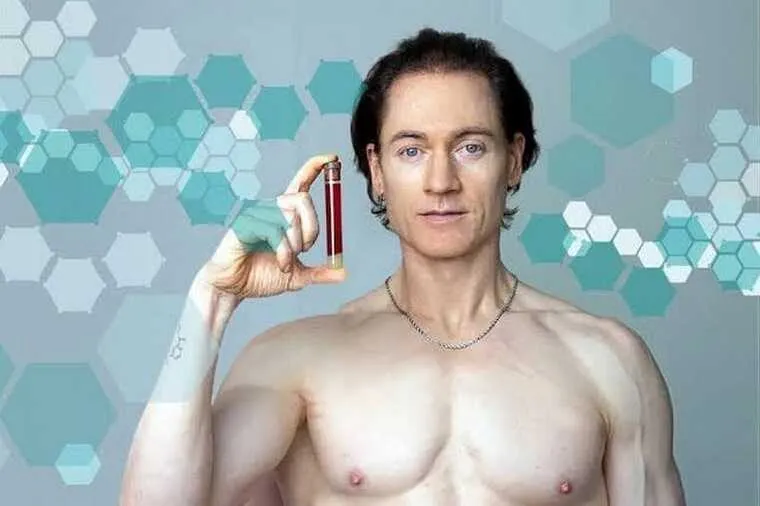
At first, many dismissed the idea as just another whim of a wealthy Silicon Valley millionaire. However, it soon became clear that Johnson approached the challenge not as an enthusiast but as an entrepreneur and a systems thinker.
In one interview, he explained his motivation as follows: "Death is humanity's greatest problem. If we can solve complex technological challenges, why can't we try to solve this one as well?"
That idea became the foundation of his philosophy.
Johnson believes humanity has spent far too long accepting aging as a natural and inevitable process. In his view, the human body is an extraordinarily complex biological system that can be optimized much like software or a car engine.
What Is Blueprint and Why It's Called the Most Expensive Human Experiment Ever
In 2021, Johnson officially launched Project Blueprint. It is neither a diet, a fitness program, nor simply a collection of healthy lifestyle recommendations.
Blueprint is a comprehensive system for managing the human body, where virtually every decision is based not on feelings but on data.
The core idea is remarkably simple. If the body makes tens of thousands of biological decisions every day, why not let data — rather than personal desires — make the most important ones?
Johnson himself describes Blueprint this way: "I no longer decide what to eat, when to sleep, or when to work out. The data makes those decisions."
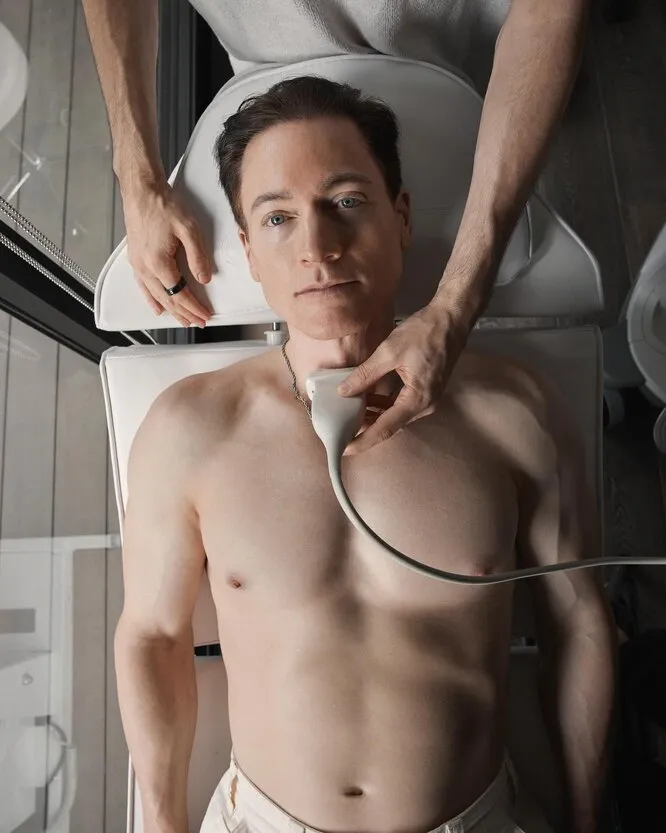
And that is perhaps what surprises people the most. He doesn't eat when he's hungry. He doesn't go to bed when he feels like it. He doesn't exercise when inspiration strikes. Every minute of his life is meticulously scheduled.
According to Johnson, discipline is far more important than motivation.
How Much Money Bryan Johnson Spends Fighting Aging
It was the financial side of Blueprint that made it globally famous.
When journalists first learned that Johnson spends approximately $2 million per year, the story immediately went viral.
That budget covers virtually everything:
- a team of physicians;
- regular laboratory testing;
- MRI scans;
- genetic testing;
- ultrasound diagnostics;
- dental monitoring;
- ophthalmological examinations;
- cardiovascular monitoring;
- experimental medical procedures;
- fitness equipment;
- personal chefs;
- a data collection and analytics system.
At various times, more than 30 specialists have worked on his program. They include cardiologists, gastroenterologists, endocrinologists, neurologists, sports medicine physicians, biostatisticians, nutrition experts, and sleep specialists.
Johnson refers to them not as his medical team, but as the operating system of his own body.
What Tests Does Bryan Johnson Undergo
While an average person may have a blood test once or twice a year, Johnson effectively lives in a state of constant diagnostics.
According to publicly available Blueprint data, he undergoes hundreds of different tests in a single year alone.
These include:
- blood tests;
- urine tests;
- stool tests;
- measurement of hundreds of biomarkers;
- brain MRI scans;
- MRI scans of internal organs;
- computed tomography scans;
- heart ultrasound examinations;
- arterial stiffness measurements;
- lung function testing;
- bone density testing;
- analysis of the gut microbiome composition;
- assessment of his hormonal profile;
- studies measuring the rate of cellular aging.
According to Johnson, several thousand indicators are collected every month. They are then analyzed by algorithms and physicians. If even a single parameter begins to deteriorate, the program is immediately adjusted.
Johnson himself jokes: "I am probably the most measured person in history."
Bryan Johnson's Biological Age: What His Results Show
Biological age, rather than chronological age, has become the main metric of Blueprint. Chronological age cannot be changed. Biological age — at least in theory — can.
To assess it, specialized aging models are used, taking into account dozens of bodily indicators.
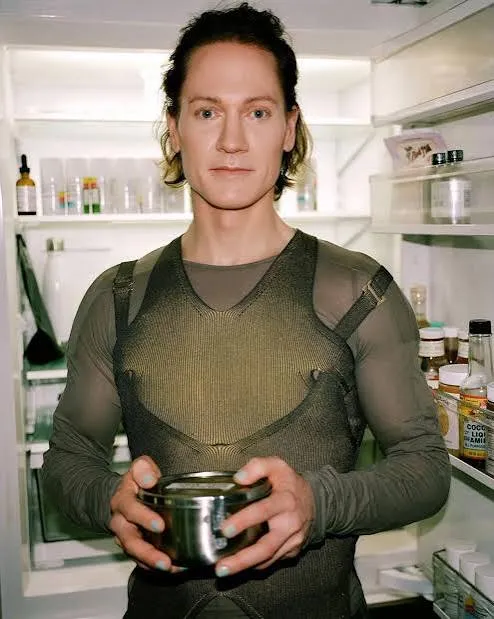
According to Johnson, some of his organs show results typical of much younger people.
At various times, he has claimed that:
- his heart corresponds roughly to that of a 37-year-old;
- his skin is around 28 years old;
- his physical fitness is comparable to that of an 18-year-old man;
These figures change regularly depending on new measurements, but they have become the basis for countless headlines in global media.
However, one important clarification is needed here. Some of these indicators are based on Blueprint's internal assessment methods rather than a universally accepted medical standard.
That is why many scientists urge caution when interpreting such results.
Why Bryan Johnson Stopped Trusting His Own Brain
One of Johnson's most unusual ideas is that humans are poor decision-makers when it comes to their own health.
He believes the brain constantly looks for the easier path: wanting to eat cake, skip a workout, go to bed later, or have one more cup of coffee.
In his view, this is precisely where aging begins. That is why he decided to remove the human factor from his life as much as possible.
In one of his talks, Johnson put it this way: "I no longer negotiate with myself."
In other words, if the system says he needs to sleep, he goes to sleep. If the algorithm defines a specific diet, he follows it exactly.
This almost military-like discipline, he believes, is the main reason behind Blueprint's positive results.
Yet it has also become one of the main reasons for criticism.
Many psychologists believe such rigid control can turn a healthy lifestyle into an obsession, while some doctors stress that there is still not enough long-term scientific research confirming the effectiveness of this approach for most people.
Still, it is thanks to Blueprint that Bryan Johnson transformed from a successful entrepreneur into one of the most recognizable figures in the world of biohacking. Yet the greatest interest lies not in the numbers from his test results or the millions spent, but in what his life actually looks like day to day. After all, Johnson's routine is so unusual that many call him "a man who lives according to an artificial intelligence schedule."
What Bryan Johnson's Day Looks Like
If you open most people's calendars, there is usually room for spontaneous meetings, late dinners, or weekends without plans.
For Bryan Johnson, that concept barely exists.
His day resembles not an ordinary human schedule but a carefully written algorithm. Every action — from the moment he wakes up to the last sip of water before bed — has a specific purpose: to reduce the speed at which his body ages.
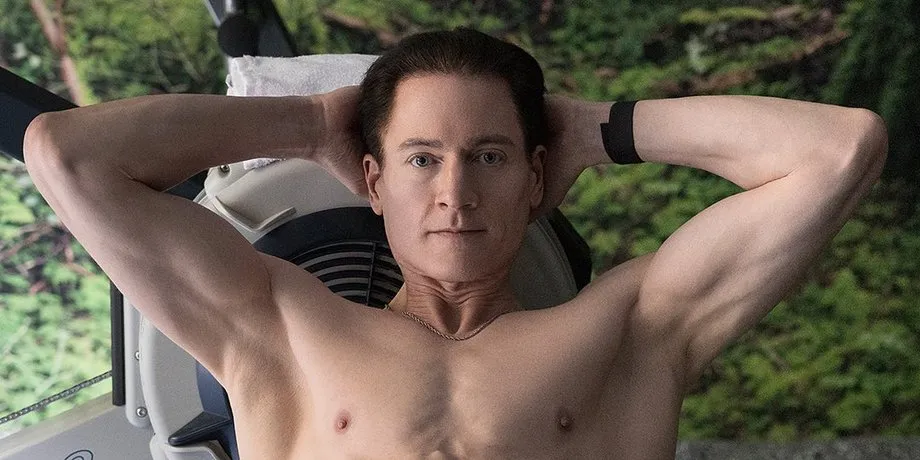
Johnson himself has repeatedly explained that Blueprint's main principle is to remove randomness from everyday life.
In one of his essays, he writes: "I handed over the right to make decisions to my body. My mind no longer has the right to argue with what my body needs."
What Time Does Bryan Johnson Wake Up
Johnson wakes up at around 5:00–5:30 a.m. and almost never uses an alarm clock.
In the first minutes after waking up, he does not check his phone or read the news. Instead, he immediately analyzes the data collected overnight by his health-monitoring devices.
Among the indicators are:
- sleep duration;
- heart rate;
- heart rate variability (HRV);
- body temperature;
- the number of deep sleep phases;
- blood oxygen saturation;
- nighttime activity.
For most people, this is just interesting statistics. For Johnson, it is the foundation of his plan for the entire day.
If the system shows that his body has not fully recovered, his medical team may adjust his workout, diet, or even bedtime.
What Bryan Johnson Eats: Why His Diet Has Barely Changed for Years
Johnson's diet is one of the most discussed topics in the world of biohacking. He makes no secret of the fact that food has long stopped being a source of pleasure for him.
It has become a tool. His menu is almost entirely plant-based and consists of meals that the Blueprint team has spent years optimizing for nutritional value.
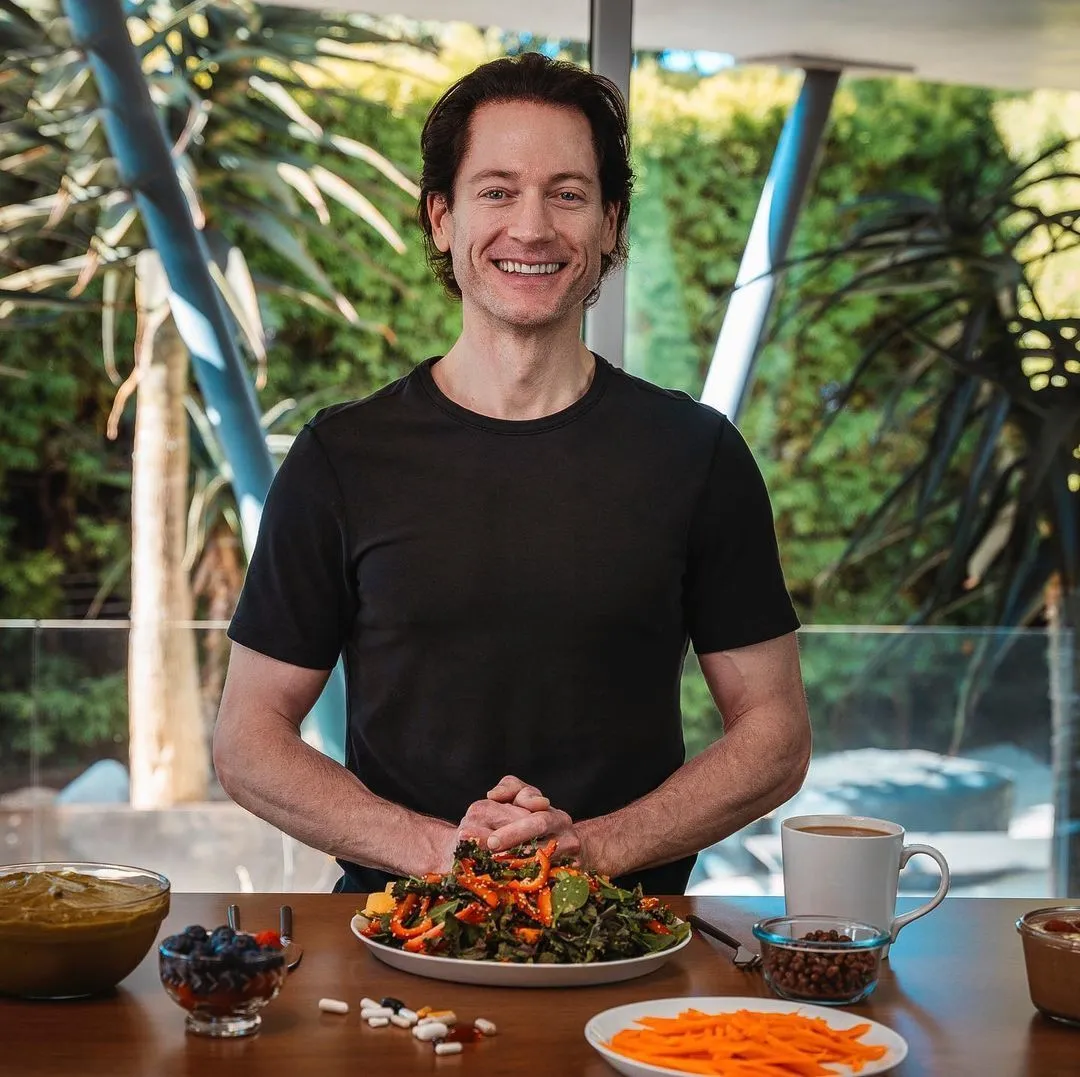
Johnson has made all of his recipes publicly available.
He emphasizes that anyone can follow his diet for free or adapt it to their own needs.
Why Bryan Johnson Eats Dinner During the Day
One of the most unusual features of his routine is that his last meal is around 11:00 a.m.–12:00 p.m.
After that, he does not eat again until the next morning. In practice, Johnson follows a long intermittent fasting window every day.
According to him, an early dinner improves sleep quality, blood glucose control, gut function, and the body's recovery processes.
That is why he often repeats that sleep begins not when a person gets into bed, but at their last meal.
This principle became one of the ten rules of his Blueprint Sleep Protocol.
How Much Bryan Johnson Works Out
Despite the image of a man living among medical devices, physical exercise remains one of the key elements of Blueprint.
Johnson works out every day. The duration of each session varies depending on his body's indicators. If the algorithm detects insufficient recovery, the intensity is automatically reduced.
In his view, the body should receive not the maximum possible load, but the optimal one.
What Supplements Bryan Johnson Takes
This topic has generated the most myths.
Some media outlets wrote about 120 pills a day. Others reported more than 100. Johnson himself has repeatedly changed his protocol.
Today, his program already differs significantly from what it was two years ago. He regularly adds new substances, removes others, and publicly explains the reasons behind these changes.
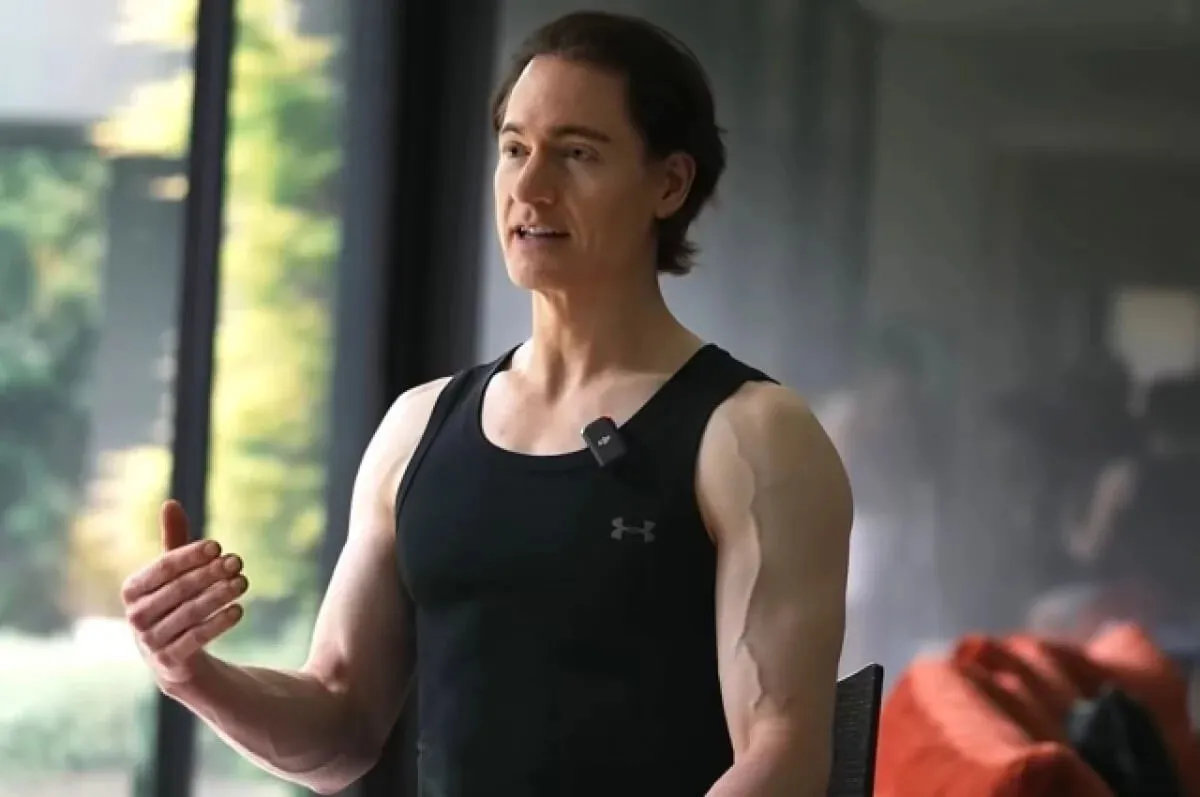
He has also made the full list of supplements publicly available.
They include:
- omega-3;
- creatine;
- collagen;
- polyphenols;
- protein blends;
- vitamin D;
- magnesium;
- electrolytes;
- other nutrients selected according to his test results.
At the same time, Johnson has repeatedly warned people against blindly copying his regimen.
"My protocol is personalized. It was created based on my biomarkers, not yours," Johnson writes in his protocol.
Why Bryan Johnson Goes to Bed at 8:30 p.m.
While most people are only finishing their workday, Johnson is already preparing for sleep. At around 8:30 p.m., the lights in his house go off.
According to him, maintaining a consistent sleep schedule has been one of the most effective decisions throughout the entire existence of Blueprint.
In one of his podcasts, he says: "Become a professional sleeper."
In his view, modern society underestimates sleep, even though it has the greatest impact on longevity, cognitive function, and the risk of developing most chronic diseases.
Bryan Johnson's Strangest Experiments: From His Son's Plasma Transfusion to Gene Therapy
It was experiments on his own body that made Bryan Johnson world-famous. If he had only eaten well, exercised, and gone to bed at 8:30 p.m., The New York Times, Bloomberg, TIME, or Netflix would hardly have made him the subject of a documentary.
But Johnson went much further.
He does not simply optimize his lifestyle. He constantly tests new methods that, in his view, may slow down or even partially reverse the aging process.
Some of these studies have a serious scientific basis. Others spark heated debate even among scientists. And some experiments Johnson himself later admitted had failed.
Plasma Transfusion From His Own Son: The Experiment the Whole World Discussed
In 2023, global media reported the news: Bryan Johnson decided to undergo a blood plasma transfusion from his 17-year-old son, Talmage.
The procedure looked like this:
his son donated plasma → it was transfused into Bryan → Bryan donated plasma to his father.
The idea was based on research suggesting that certain proteins in young blood might have a positive effect on the body's recovery processes.
After the procedure, Johnson honestly reported the result. His team detected no noticeable effect.
A few months later, he officially announced that he would no longer undergo plasma transfusions.
This was one of the few cases in which Johnson openly admitted that an experiment had failed to meet expectations.
Bryan Johnson's Gene Therapy: Why He Agreed to Experimental Treatment
One of Johnson's most controversial steps was participating in experimental gene therapy. In 2024, he said he had received a therapy aimed at increasing production of the protein follistatin.
This protein is involved in muscle tissue growth and regeneration. Johnson has not hidden the fact that the long-term consequences of such an intervention are still unknown.
That is why he called the procedure an experiment.
At the same time, he urged other people not to repeat such procedures without the involvement of doctors and clinical trials.
Facial Rejuvenation: Why Even Bryan Johnson Could Not Avoid Setbacks
Although Johnson often talks about internal health, he openly admits that appearance is also one of the indicators of aging.
That is why he has repeatedly undergone procedures aimed at rejuvenating his skin.

These include laser procedures, microneedling, injections of his own fat, facial volume restoration, and collagen-stimulating treatments.
However, one of these experiments ended unexpectedly.
After the fat tissue injection, his face began to look unnatural, which triggered a strong reaction from social media users.
Instead of hiding the unsuccessful result, Johnson publicly showed photos and explained why the procedure had not worked as expected.
This is another distinctive feature of his approach.
He almost always talks not only about successes, but also about mistakes.
More Than 100 Skin Procedures: How Bryan Johnson Fights Aging on the Outside
A separate branch of Blueprint is dedicated to skin.
Johnson regularly uses:
- light therapy;
- chemical peels;
- laser rejuvenation;
- retinoids;
- antioxidant serums;
- sunscreen products;
- collagen-stimulating procedures.
In his view, skin is one of the best indicators of biological age. Blueprint even has a separate system for evaluating its condition.
Johnson regularly updates the full list of procedures in open access.
Has Bryan Johnson Really Become Younger?
Johnson himself claims that Blueprint has allowed him to improve dozens of biomarkers.
At the same time, he constantly emphasizes one important idea: "Everything is an experiment."
This means that no procedure is considered definitively proven. If new data shows that it brings no benefit, it will be removed from the program.
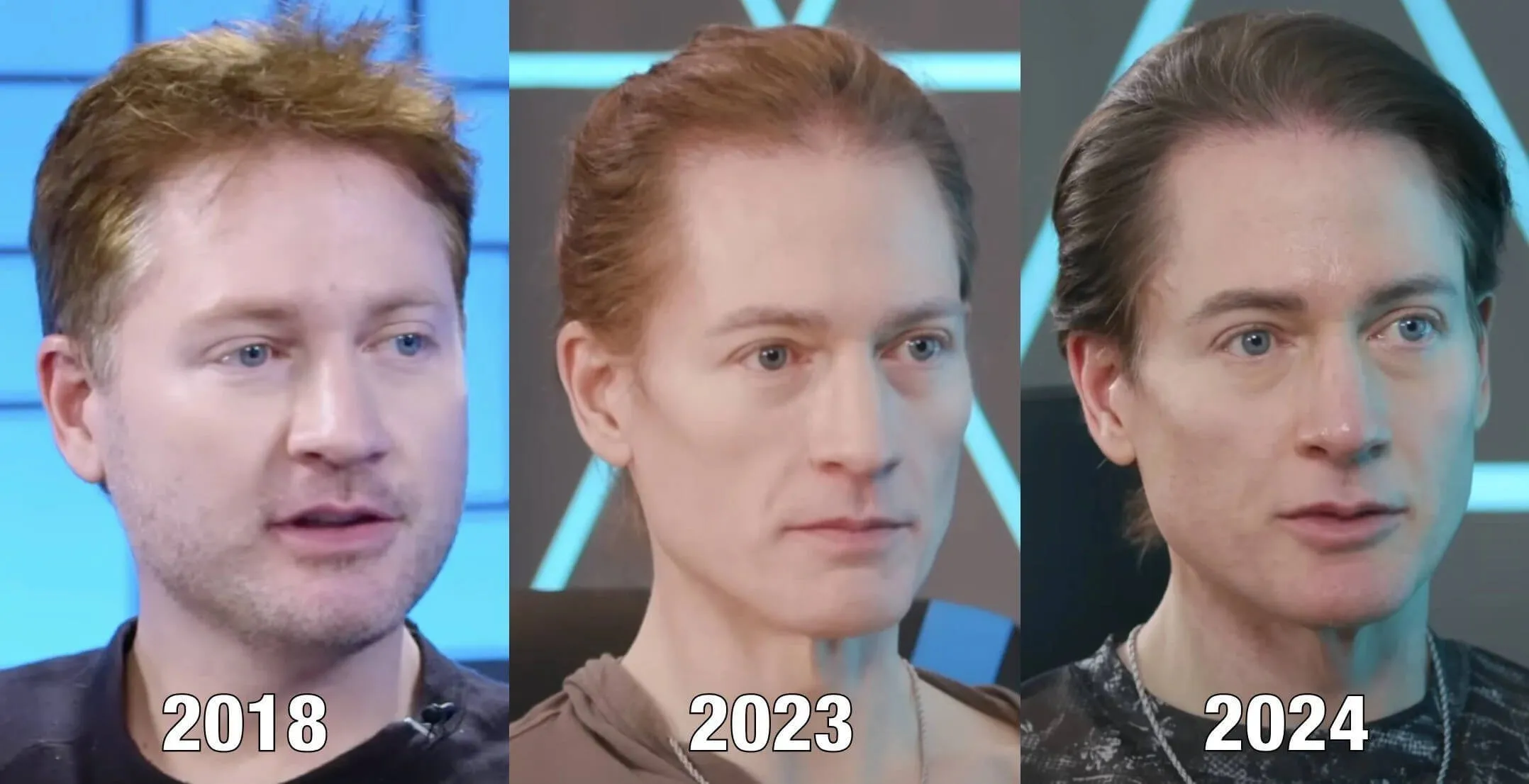
It is this openness to change that distinguishes Blueprint from many commercial longevity programs. Not every experiment ends in success
Bryan Johnson's story is interesting not because he has supposedly found the secret to eternal youth.
Quite the opposite. It shows just how complex the human body really is.
Despite millions of dollars, a team of doctors, cutting-edge equipment, and constant health monitoring, Johnson still faces setbacks.
Recently, he even revealed that he had been diagnosed with autoimmune gastritis, a condition that had gone unnoticed for years.
And this is where the main question arises.
Do Bryan Johnson's methods really have a scientific basis, or are they merely an expensive experiment that is still ahead of the evidence?
Does Bryan Johnson's Method Really Work: What Scientists Say
Despite loud headlines about "the youngest organs in the world" or "the man who wants to live forever," most scientists urge caution and advise against rushing to conclusions.
Experts agree on one thing: a significant part of what Johnson does does indeed have a scientific basis.
Regular physical activity, quality sleep, blood pressure control, healthy eating, and avoiding alcohol and smoking have all long been proven to be factors that reduce the risk of cardiovascular disease and may contribute to a longer, healthier life.
However, experimental methods — from gene therapy to certain rejuvenation procedures — still do not have a sufficient evidence base to be recommended to the general public.
That is why many gerontologists describe Blueprint as an interesting research project rather than a universal instruction manual for longevity.
Bryan Johnson's story is not only a story about a millionaire spending enormous sums of money to fight aging. It is also a kind of experiment now being watched by millions of people, doctors, and scientists around the world.
Only time will tell whether he manages to come closer to his ambitious goal — significantly slowing human aging. At the same time, the main lesson of his story is already clear: no expensive procedure can completely override the laws of biology. Even someone who has spent years monitoring almost every indicator of his body can still unexpectedly face illness.


