
The harvest is at risk due to a diesel shortage in Russia
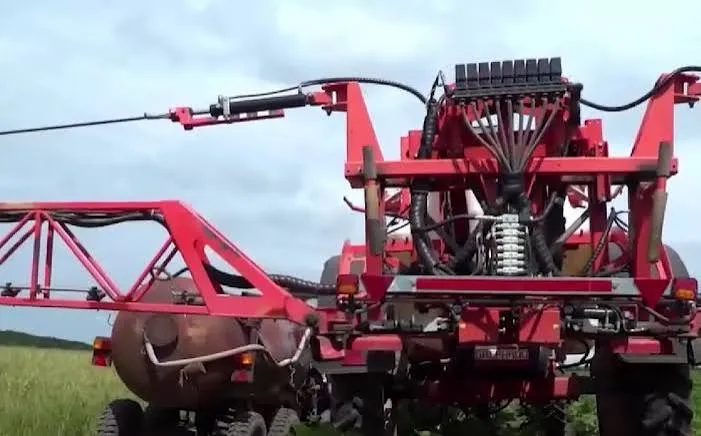
Russia is facing problems with the harvest due to a shortage of diesel fuel. Farmers in key agricultural regions complain that they cannot get their machinery out into the fields as usual, and because of these delays, the country risks losing part of its grain harvest.
The situation is worst in Russia’s southern regions—the Rostov Oblast, Krasnodar Krai, and Stavropol Krai. These areas account for a significant portion of Russia’s grain harvest. According to Forbes, citing agricultural market participants, farmers are facing not only a diesel shortage but also restrictions on its sale and a sharp rise in prices.
One farmer from the Krasnodar Krai said that diesel fuel is now mostly available only on major highways, and some drivers are forced to spend the night near gas stations waiting for fuel trucks. At the same time, gas stations are enforcing limits—customers are allowed to purchase only 100 or 200 liters of fuel at a time. While this may be enough for a regular car, such quantities are insufficient for agricultural machinery.
A single combine harvester can consume up to 300 liters of diesel per shift while operating. Because of this, farmers are afraid to go out into the fields unless they are certain that fuel can be delivered directly to their equipment. “Many people don’t risk going out to harvest without being sure that fuel will be delivered to the field,” a Forbes source said. The situation has become particularly dire in Russian-occupied Crimea. There, representatives of the agricultural sector report that some machinery is simply sitting idle due to a lack of fuel.
Problems are also being reported in the Rostov region, which harvests about 10 million metric tons of grain annually. Farmers there admit that they may lose part of their harvest due to a shortage of diesel fuel. According to Volodymyr Poklad, director of the management consulting practice at the “Business Profile” group, losses could amount to up to 15% of the harvest in some regions.
The fuel crisis was triggered by attacks on Russian oil refineries. In recent months, these attacks have targeted the industry’s largest enterprises, causing a significant drop in diesel production in Russia. Farmers say that in some regions, fuel reserves are sufficient for only a few weeks. At the same time, local authorities are mostly just drawing up schedules of demand and supply, but there are not enough concrete solutions for farmers. “We have enough fuel for a month; what happens after that—no one knows. So far, officials are just compiling an endless number of tables with schedules of fuel needs and availability,” said an employee of an agricultural enterprise in the Sverdlovsk region.
The problem for farmers is further complicated by the fact that the harvest window is very short. Once the grain ripens, it must be harvested within about a week or ten days. If harvesting is delayed, the grain may shatter, and rain may make the fields inaccessible to machinery. According to analysts, this year’s harvest campaign in Russia is already significantly behind last year’s pace. By early July, approximately one-third as much land had been threshed compared to the same period last year. Experts note that part of the delay is due to the weather, but a fuel shortage could be an additional factor affecting the final harvest. This is reported by Russian media.
In St. Petersburg and the Leningrad Region of Russia, authorities are considering new restrictions on gasoline sales due to a fuel shortage. Regional authorities are considering selling gasoline via QR codes or under an “even-odd days” system to control demand and avoid shortages.
As a reminder, drones attacked one of Russia’s most modern oil refineries in Nizhnekamsk.
Additionally, Russian forces struck Odesa—there are casualties, and infrastructure has been damaged.
The strike on Odesa was carried out with a missile equipped with a cluster warhead.


