
Singapore Red Cross to expand aid amid heat and haze
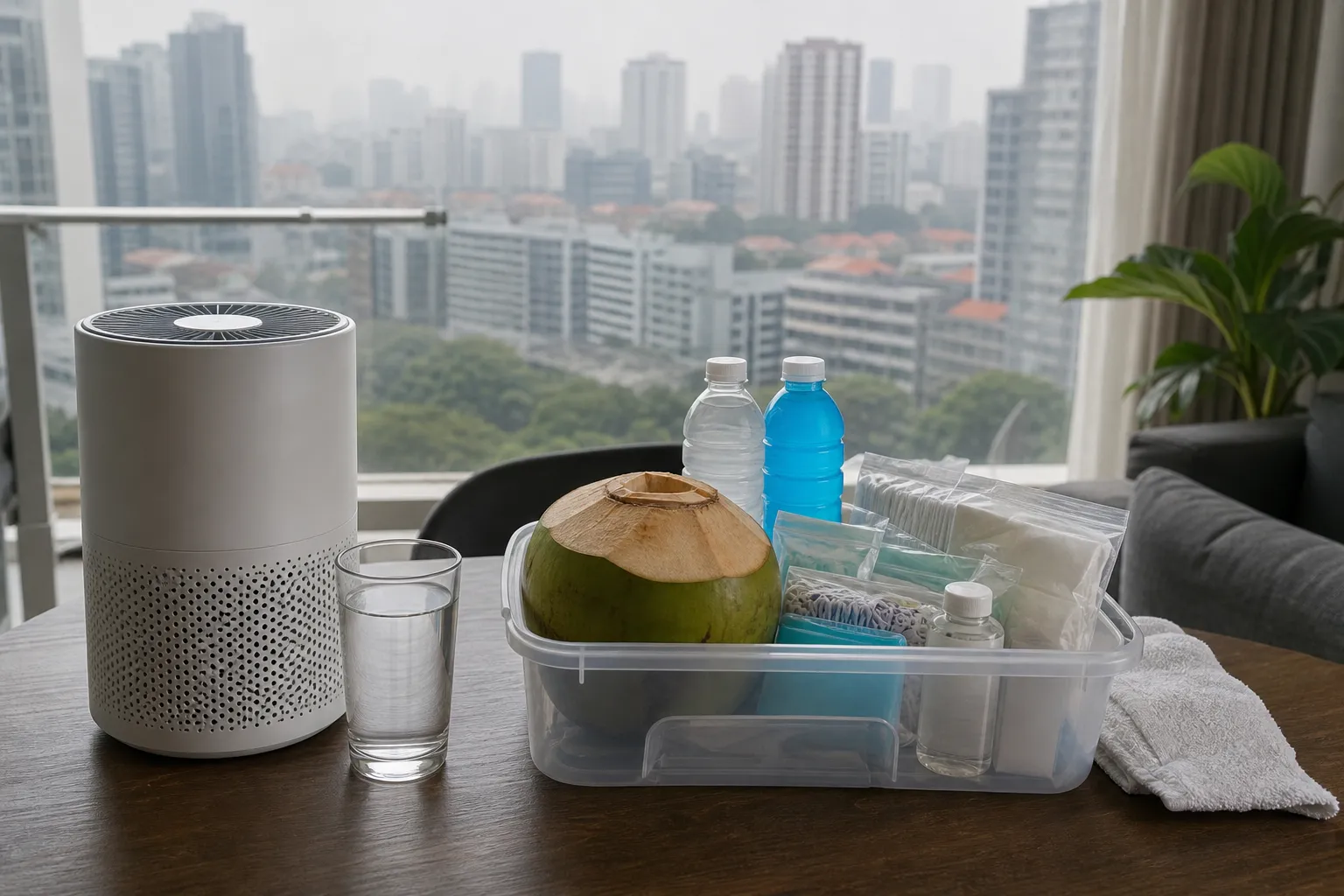
In Singapore, the Red Cross is expanding assistance to older people and vulnerable groups because of heat and haze: the organization will provide air purifiers, support packs and, where necessary, help with electricity payments. This was reported by Channel NewsAsia.
The Singapore Red Cross said worsening heat and haze increase health risks for vulnerable population groups, including elderly people living alone and people with pre-existing medical conditions. The first phase of the expanded programme is expected by the organization to reach 700 people nationwide.
Air purifiers and electricity payment assistance
In the coming days, 200 people living alone aged over 70 who take part in the HoME+ or Medical Chaperone & Transportation programmes will receive air purifiers and heat and haze protection packs. If needed, they will also receive assistance with electricity bills for three months to cover the costs of operating the purifiers.
More current news is available on the UA.News Telegram channel Telegram.
Another 500 members of vulnerable groups will receive packs containing coconut water, isotonic drinks, suitable ready-to-eat food, basic hygiene products and other essential items. The assistance will be coordinated through the organization’s existing programmes, community networks and partners, taking into account each recipient’s circumstances.
Air quality and recommendations
According to CNA, the 24-hour Pollutant Standards Index (PSI) exceeded 101 at 7:00 a.m. on September 4, corresponding to an unhealthy level. This was the first time the indicator had reached this level since October 8, 2023. After that, the National Environment Agency began publishing daily haze advisories, including a 24-hour PSI forecast.
The expanded programme supplements measures launched in April, when volunteers distributed packs containing cooling towels, face masks, water bottles and portable fans to vulnerable groups. Community volunteers will also be trained to advise aid recipients, recognize signs of deteriorating health caused by heat or haze, and respond appropriately. Staff and volunteers delivering aid and visiting people at home in areas with poor air quality will be provided with N95 masks.


