
Dawn: Pakistan should change its approach to development due to climate risks
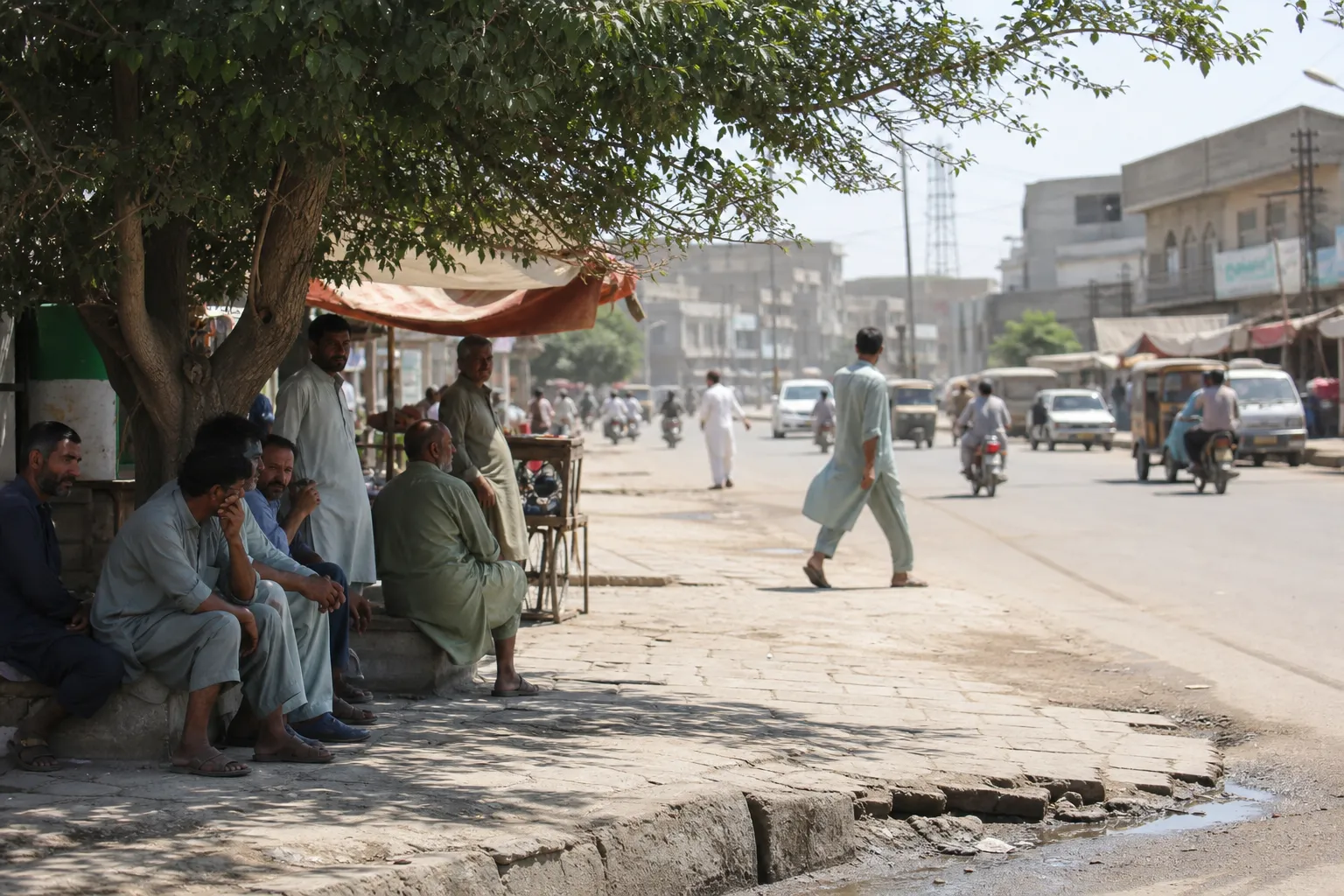
Pakistan should adapt its development planning to climate change that is occurring faster than state institutions can respond, according to an editorial by Dawn. The publication stresses that adaptation should not be limited to responses after floods, heatwaves or droughts.
Warming risks
The article mentions a new report by the UN Environment Programme, according to which the 1.5°C warming threshold set by the Paris Agreement is likely to be exceeded in the coming years. At the same time, this does not mean that climate action has lost its importance: UNEP calls for making any possible exceedance of the threshold as small and brief as possible.
Every additional fraction of a degree of warming increases the risks of extreme weather events, ecosystem loss and irreversible tipping points, the publication notes. According to the World Meteorological Organization, the intensification of El Niño in the Pacific could become the strongest in four decades, worsening heat, droughts and floods around the world.
For Pakistan, this could mean water shortages, food insecurity and additional pressure on urban infrastructure and public utilities. Floods in Nepal and China, cited by Dawn, demonstrated how quickly climate hazards can destroy people's lives.
More current news is available on the UA.News Telegram channel Telegram.
Adaptation in development
The publication believes that housing, roads, energy systems and urban drainage infrastructure must be designed for harsher weather conditions. Water policy should take into account uncertainty about river flow and precipitation, while agriculture should shift to crops and irrigation methods adapted to heat and water stress.
Cities, in the editorial's view, need heat action plans, shaded public spaces and stronger protections for outdoor workers. A World Bank assessment for Pakistan and the broader Middle East, North Africa, Afghanistan and Pakistan region found that prolonged extreme heat reduces sales, labor productivity and wages.
Dawn also notes that countries with the greatest responsibility for global warming must act the fastest, and that financing, equity and international cooperation are necessary to respond to climate risks.


