
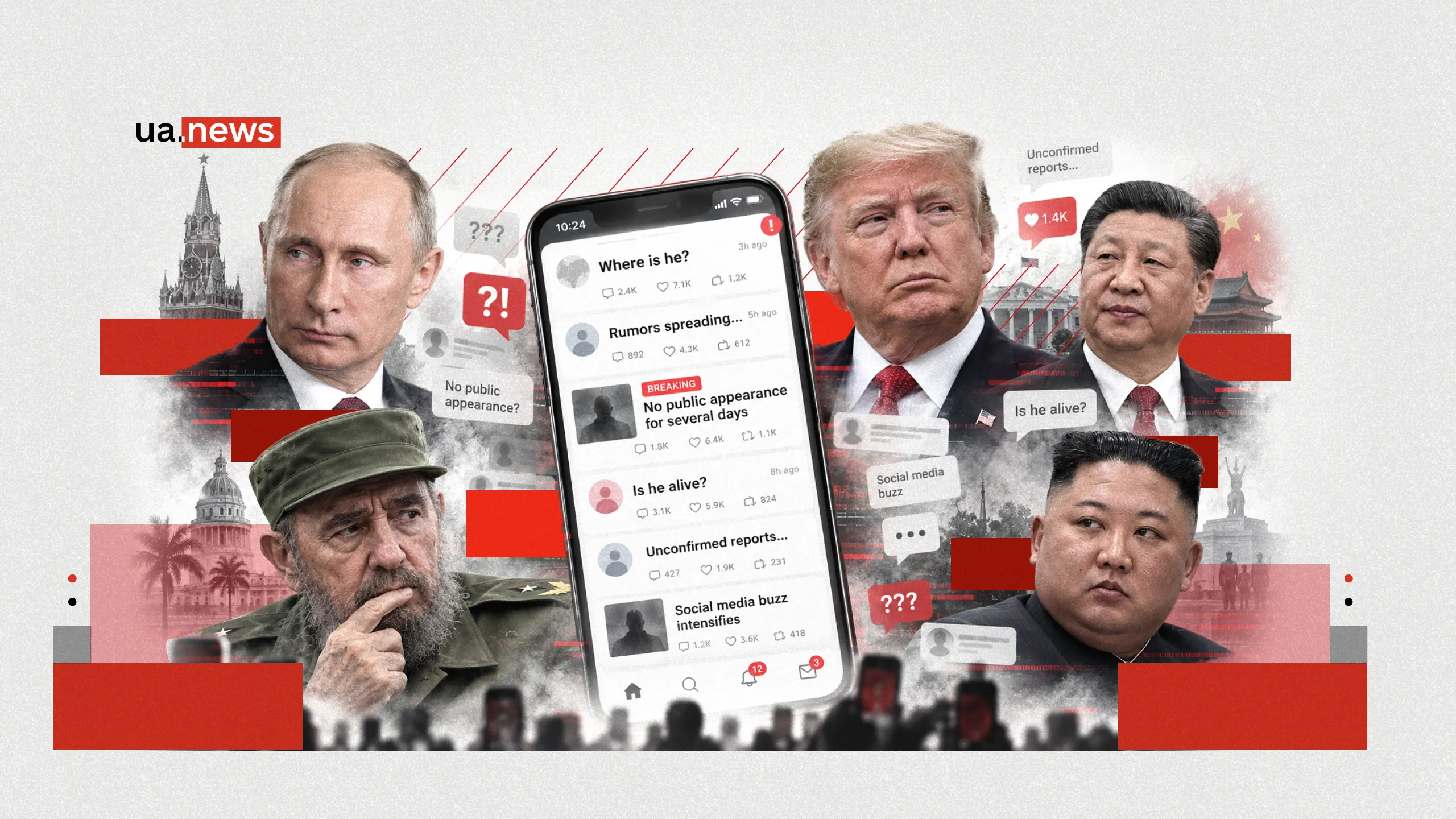
Sometimes all it takes is for a head of state to stay out of the public eye for a few days, miss an important meeting, or unexpectedly change their schedule—and social media is already scrambling to find an explanation. First, people speculate about poor health, then about a serious illness, and within a few hours, someone is already writing about death, a coup, or a secret change in power.
This is exactly the kind of story that has once again unfolded around Chinese President Xi Jinping. During the September BRICS summit in New Delhi, he skipped the leaders’ dinner, after which speculation about his health began anew. The Wall Street Journal reported that Xi may simply have been feeling unwell. There was no confirmation of a serious illness, let alone death.
However, this is far from the first such incident for the Chinese leader. Over the past decade and a half, Xi has been rumored to have been hospitalized, declared a victim of a military coup, said to have suffered a stroke, and even had a “double” sought after. Kim Jong-un, Vladimir Putin, Fidel Castro, and Donald Trump have all experienced similar situations.
UA News recounts the most high-profile instances when a few days of silence were enough for the world to begin speculating about the death of a head of state.
This isn’t the first time Xi Jinping has been “declared dead”: rumors about his health have been circulating for years

The current story began with a rather mundane detail. Xi Jinping attended the BRICS summit in New Delhi but skipped the gala dinner. China was represented at the event by Foreign Minister Wang Yi.
In most cases, a politician’s absence from a single dinner would hardly make international headlines. But there is traditionally very little public information about the health of China’s leadership, so any unusual change in Xi’s schedule quickly draws attention.
However, on September 21, the Chinese side officially confirmed preparations for his state visit to the U.S. What’s interesting here is that this kind of thing happens regularly with Xi. The first major incident occurred back in September 2012, when Xi was just preparing to take the helm of China. He suddenly canceled several meetings with foreign politicians and effectively disappeared from the public eye for more than a week.
There was almost no official explanation. Chinese microblogs and foreign websites began to fill in the gaps on their own. Speculation ranged from a back injury to a serious illness and even internal problems within the Chinese leadership. The Washington Post reported that the future Chinese leader’s absence sparked a veritable wave of rumors, particularly among Chinese social media users.
A few days later, Xi simply returned. On September 18, he met with then-U.S. Secretary of Defense Leon Panetta and posed for photographers, effectively putting an end to the speculation.
The story took on even greater proportions in September 2022. After returning from the Shanghai Cooperation Organization summit in Uzbekistan, Xi did not appear in public for about ten days. That was enough for a completely different version of events to emerge on social media: allegedly, the Chinese People’s Liberation Army had staged a coup, and Xi himself had been placed under house arrest.
Videos of a convoy of military vehicles, reports of canceled flights, and the Chinese leader’s absence itself were cited as “evidence.” None of this was confirmed. On September 27, Xi reappeared in public. PolitiFact fact-checked the story and determined that there was no evidence of a coup, and that the break in his schedule was consistent with China’s quarantine rules at the time following international travel.
In July 2024, the scenario repeated itself once more. During the Third Plenum of the Central Committee of the Communist Party of China, reports began circulating on social media that Xi had allegedly suffered a stroke. Accompanying these reports were photos showing the Chinese leader sitting with his eyes closed or leaning over a table. They were presented as snapshots of the moment when he allegedly fell ill.
Reuters examined the photos and determined that they were taken back in March 2024—several months before the plenum. The agency also noted that unconfirmed reports of an alleged stroke had been circulating on Chinese social media, but no credible evidence had emerged.
Thus, the current episode involving BRICS has simply become the latest chapter in a long history.
Kim Jong-un was declared seriously ill in 2020, and then rumors of his death began to circulate
While stories surrounding Xi usually last a few days, in Kim Jong-un’s case in 2020, the uncertainty dragged on for nearly three weeks. He was last seen at a Politburo meeting on April 11. By April 15, Kim had already missed the celebration of his grandfather Kim Il-sung’s birthday.
This is one of the most important dates on the DPRK’s national calendar, and in previous years, Kim had participated in the corresponding ceremonies. Initially, reports emerged that he might have undergone a medical procedure. Then, some U.S. media outlets reported, citing unnamed sources, that his condition was allegedly critical. Claims that the North Korean leader had died began spreading very quickly on social media.
It was nearly impossible to verify these claims. Journalists and analysts began searching for any indirect signs. One of the main clues was a special train linked to Kim. Satellite photos captured it near his residence in the resort town of Wonsan.
While Kim’s whereabouts remained unclear, the international media was already discussing an entirely different question—who might lead North Korea if he had indeed died. His sister, Kim Yo-jong, was mentioned most often.
And then Kim simply returned. On May 1, North Korean state media reported that he had attended the opening ceremony of a fertilizer plant in Sungchon. In the published photos, he was smiling, talking with officials, and cutting the red ribbon. It was his first reported public appearance in about three weeks.
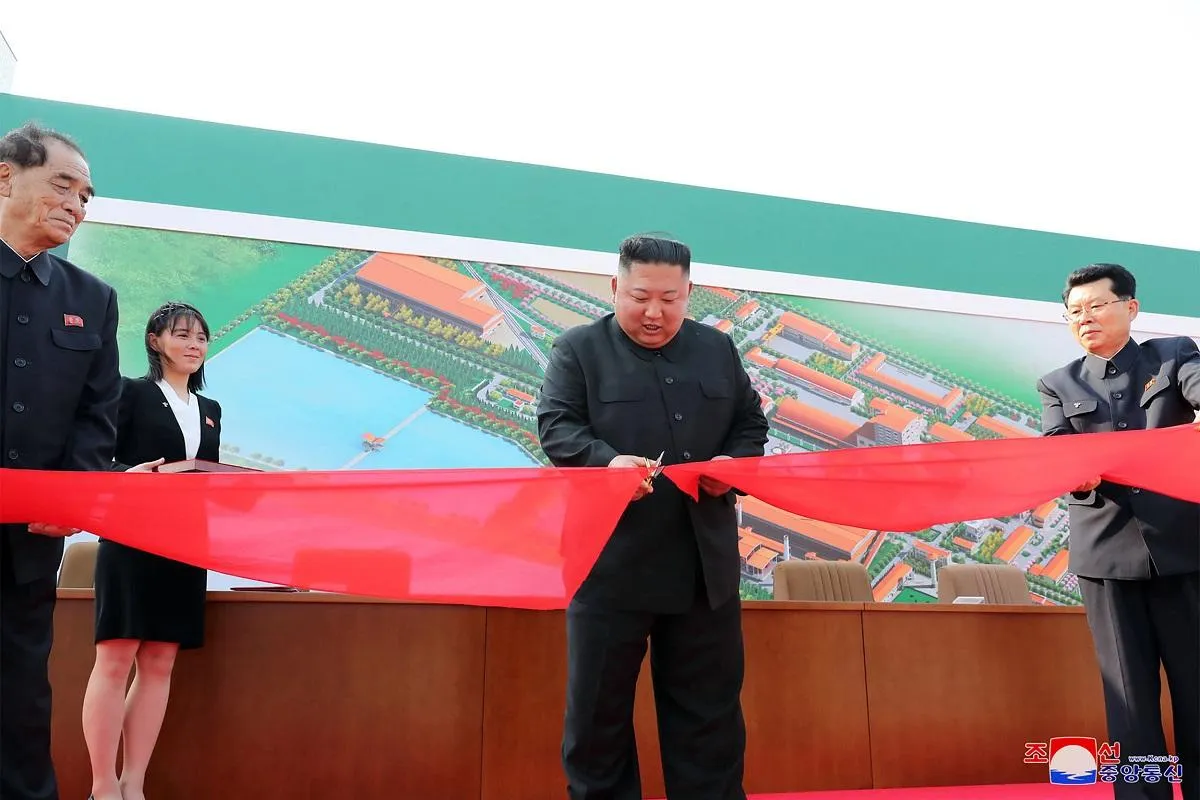
In the end, no convincing evidence ever emerged that Kim had been on the verge of death or had suffered a critical medical condition.
When Putin disappeared for ten days, rumors of illness and a coup began to circulate
One of the most sensational stories involving Vladimir Putin took place in March 2015. At that time, the Russian president did not appear in public for about ten days. The Kremlin offered no detailed explanation, and some of the scheduled events were canceled or rescheduled.
That was enough to spark a whole wave of speculation. Some said Putin was seriously ill. Others claimed a conflict had broken out within the Russian leadership. There were even suggestions of a possible coup or the president’s removal from power.
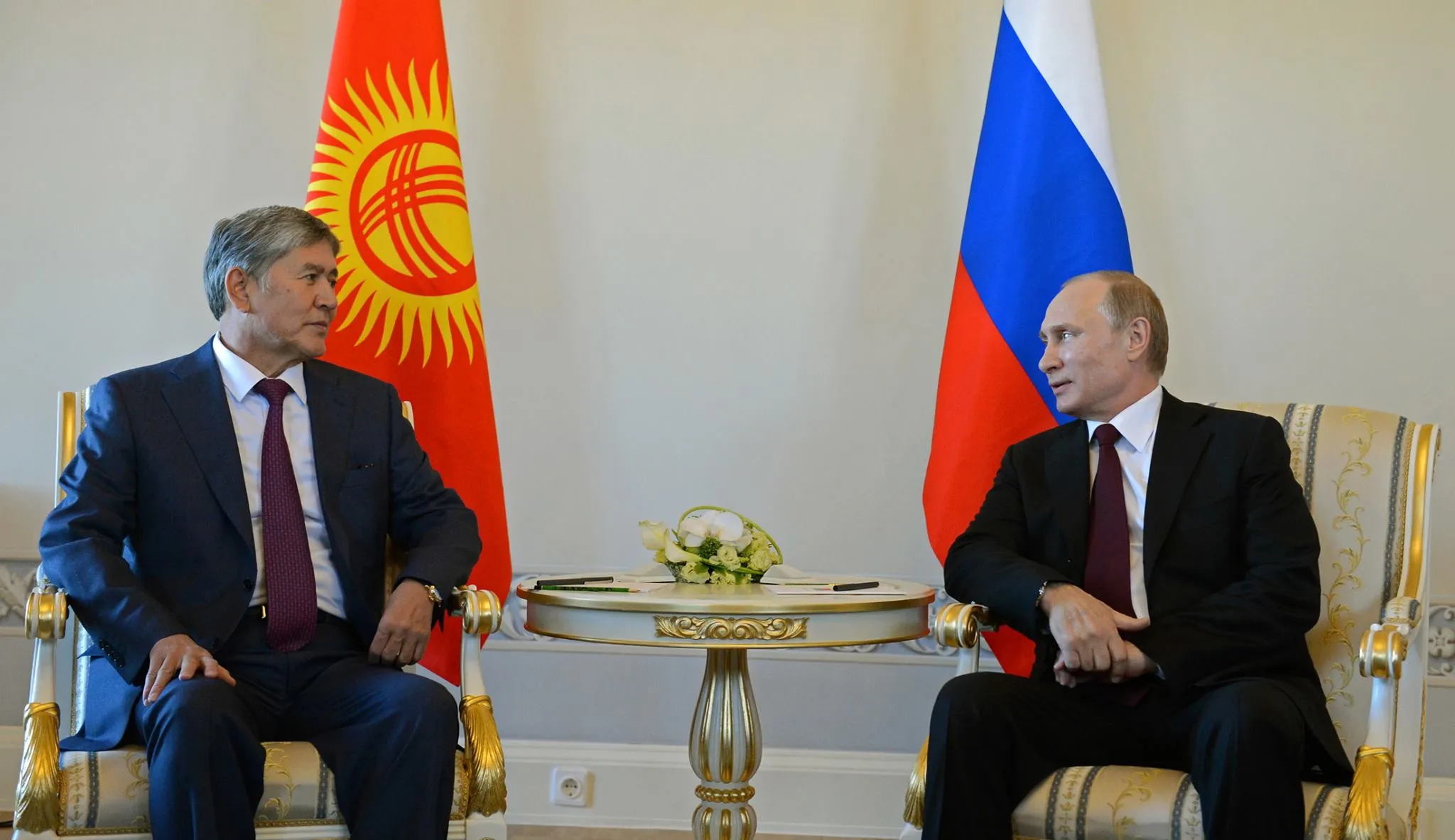
The Kremlin insisted that Putin was fine, but since he himself did not appear on camera, each passing day only fueled the rumors. On March 16, Putin reappeared in public at a meeting with Kyrgyz President Almazbek Atambayev. When asked by journalists about the rumors, he replied, “Life would be boring without gossip.”
However, in the years that followed, stories about Putin’s alleged death became even more outlandish. A particularly high-profile wave began in the fall of 2023. An anonymous Telegram channel claimed that the Russian president had allegedly suffered a cardiac arrest and subsequently began spreading claims of his death. There was no independent evidence to support this, and Putin continued to appear in public afterward.
On October 28, 2023, Valery Solovey, a former professor at the Moscow State Institute of International Relations (MGIMO), stated outright in an interview with Dmitry Gordon that Putin had allegedly died on the evening of October 26. He claimed that the president’s body was supposedly being kept in a freezer at the Valdai residence, and that a body double would be used in his place in public.
Solovey called his information “absolutely reliable” and said that evidence of his death would allegedly be presented later. However, no confirmation of his claims ever emerged. Putin continued to hold public meetings, speak in front of cameras, and participate in state events.
However, in October 2024, Solovey appeared again for an interview with Gordon, where he continued to speak about Putin’s alleged death and the theory regarding the use of a body double.
Thus, several layers of rumors formed around Putin—ranging from the 2015 military coup to the conspiracy theory about a “body double” and a hidden body.
Fidel Castro denied his own death while holding a fresh newspaper
In Fidel Castro’s case, such stories began even before social media became the main source of political rumors. In July 2006, the longtime Cuban leader underwent intestinal surgery and temporarily handed over power to his brother Raúl.
For Cuba, this was almost unprecedented. Castro had been at the helm of the country for decades, and now he suddenly stopped appearing regularly in front of the cameras. There was little official information about his condition. This quickly gave rise to rumors that he was much sicker than Havana would admit, or that he was already on his deathbed.
In October, Raúl Castro even had to publicly state that his brother was not dying and was continuing to recover. And at the end of that same month, Cuban television resorted to an even more vivid method.
Fidel was shown in a video. He was walking around a room, talking, and holding a fresh issue of the official newspaper Granma. The message was clear: to show not only Castro himself, but also that the footage had not been recorded weeks or months earlier.
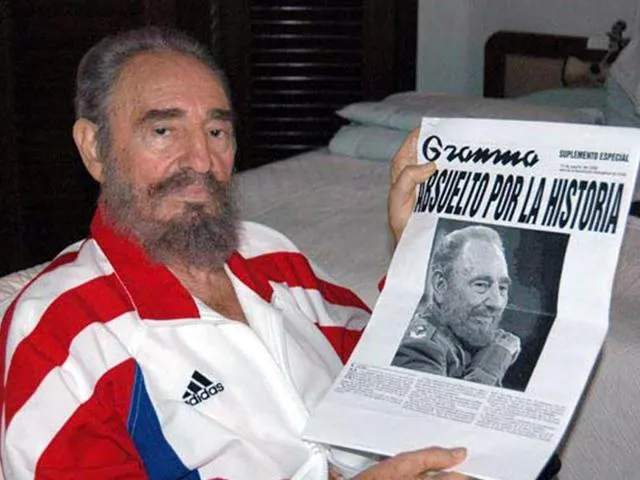
However, the rumors did not disappear for good after that. Due to Castro’s age and the long intervals between his public appearances, reports of his alleged death surfaced time and again. In fact, Fidel Castro died only on November 25, 2016—ten years after that wave of rumors.
It took just a few days for people on social media to start asking whether even Donald Trump was still alive
One might think that such stories arise mainly in countries where information about the leadership is kept as secret as possible. But in 2025, a similar situation occurred in the United States.
In late August, Donald Trump did not hold his usual large public events for several days. Such a hiatus in and of itself would hardly have been a sensation. But shortly before that, the American media had been discussing photos showing swelling on his legs and bruises on his arm. The White House reported that doctors had diagnosed the president with chronic venous insufficiency, describing the condition as common among older people.
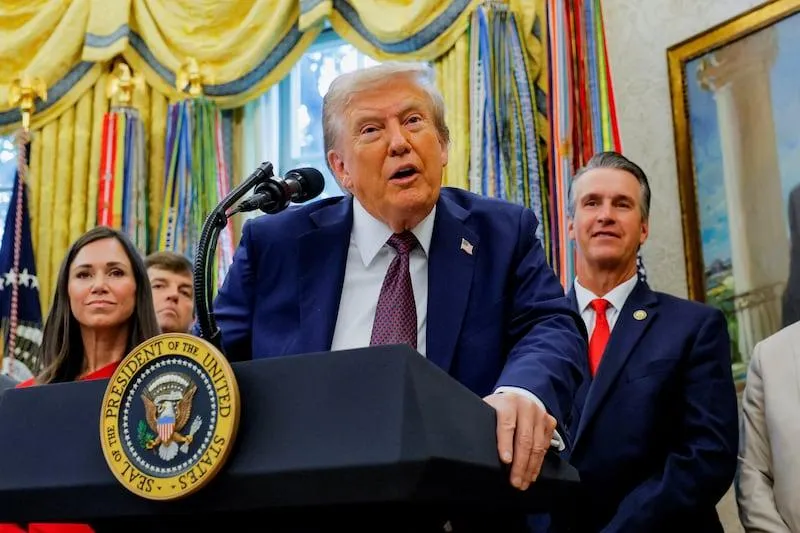
Then an interview with Vice President J.D. Vance was published, in which he was asked if he was ready to lead the country if something were to happen to the president. Taken together, this was enough to spark a wave of posts on X about Trump’s condition, including speculation about his possible death.
On September 2, the president appeared before reporters again. Reuters reported that Trump called the rumors about his health “fake” and stated that he had been active over the weekend, giving interviews and traveling to his golf club in Virginia.
Biden’s disappearance in 2024 sparked a wave of rumors about his condition
In July 2024, a similar wave of rumors swirled around Joe Biden. On July 17, he tested positive for COVID-19 and went into self-isolation at his home in Delaware. The president did not appear before the cameras for several days, and on July 21, he even announced that he was withdrawing from the presidential race.
The combination of these two events quickly gave rise to conspiracy theories. On social media, people began claiming that Biden was allegedly in critical condition, had been admitted to a hospice, or had already died, and that the White House was covering it up. Some users even suggested that the letter announcing his withdrawal from the race, released in his name, was a forgery.
The story reached a point where U.S. Representative Lauren Boebert publicly demanded that the president provide “proof of life.” According to PolitiFact, her post garnered millions of views. Other accounts spread claims that Biden was “dying” or allegedly no longer able to perform his presidential duties.
Separately, claims circulated online that he was supposedly in hospice care and “might not make it through the night.” But on July 23, Biden reappeared in public. He flew from Delaware to Washington after his doctor reported that his COVID symptoms had subsided and he had tested negative.
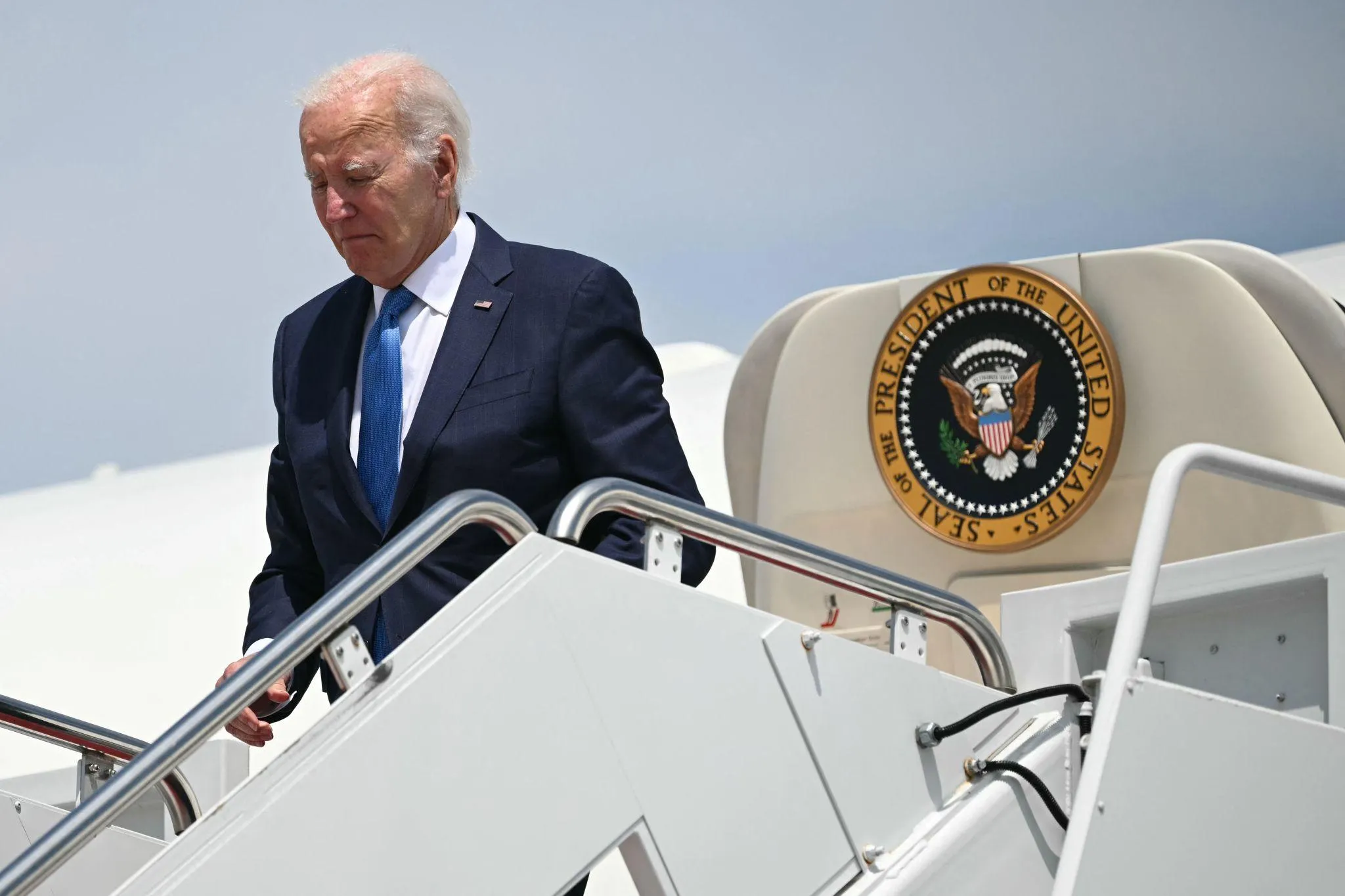
Following this, PolitiFact separately fact-checked the direct claims about the president’s death and found them to be false. Some posts even claimed that Biden had supposedly died earlier and was being replaced in public by another person.
Why a Few Days Without the President Are Enough to Spark Rumors of His Death
At first glance, all these stories seem very different. China, North Korea, Russia, Cuba, and the U.S. have different political systems, different media, and vastly different levels of access for journalists to their leaders.
But the pattern is almost always the same. First, something unusual happens. The president fails to attend an important event, cancels a meeting, doesn’t appear on camera for a few days, or simply has an unusually sparse public schedule.
Then a simple question arises: Where is he? If there’s no quick answer, people start looking for circumstantial evidence. In Kim Jong Un’s case, satellite companies tracked his train. In Russia, journalists tried to figure out exactly when the meetings with Putin shown by the Kremlin were recorded. In China, old photos of Xi were used as alleged confirmation of a stroke. In Trump’s case, social media users analyzed his public schedule and photos of his hands and feet.
The problem is that the narrative “the president just hasn’t appeared on camera for a few days” almost never spreads as quickly as “the president is dead, and the government is covering it up.”
The second story is much more emotional. And social media algorithms don’t verify how much the dramatic version corresponds to reality. If people open a post, argue in the comments, and share it with friends, it reaches an even larger audience.
That’s exactly why the path from “Where is he?” to “Is he dead?” can now take hours rather than weeks.
Why a president’s death is so much more than just news about one person
There’s another reason why the health of world leaders sparks so many rumors. In such cases, it’s almost never just about the health of a specific person. If something happens to Xi Jinping, questions will arise about the next leadership of the world’s second-largest economy and a nuclear power.
When it comes to Kim Jong Un, the question arises as to who will control North Korea and its nuclear arsenal. In the case of Russia, any confirmed changes at the top will have a direct impact on the war against Ukraine and Moscow’s foreign policy.
That is precisely why any information about the health of such figures reaches a massive audience even before it can be verified. And this is where the paradox lies.
The less the government reveals about its leader’s condition, the more room it leaves for speculation.




