
DR Congo delegation studies Nigeria’s local content model in oil and gas — Premium Times Nigeria
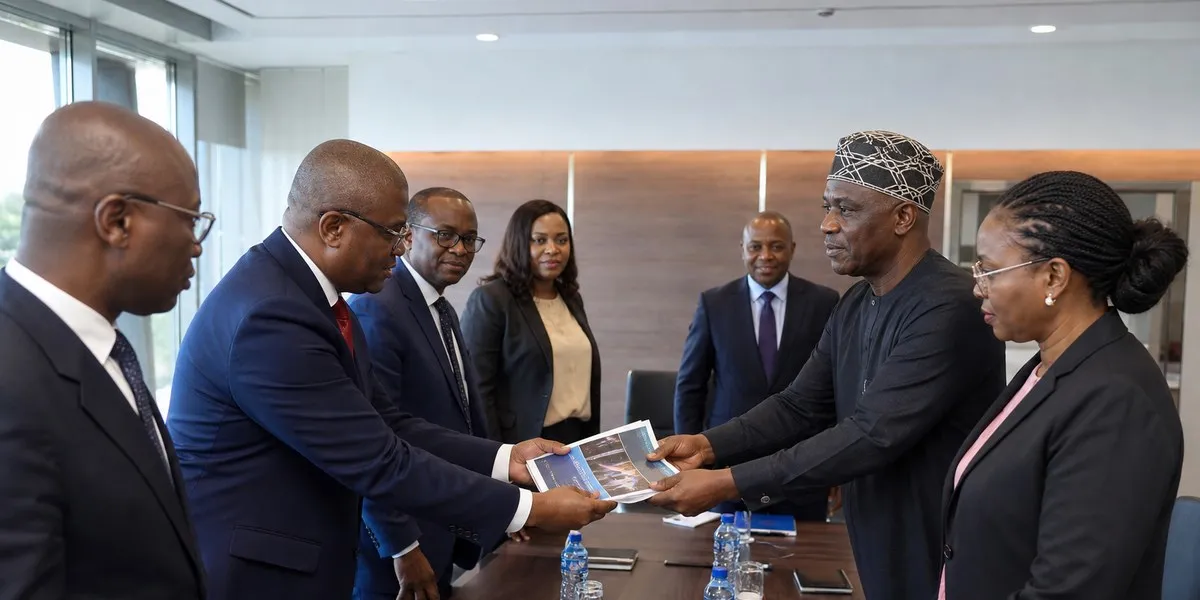
A delegation from the Democratic Republic of Congo, led by Minister of Hydrocarbons Simplice Steve Onanga, arrived in Nigeria to study the model for developing local content in the oil and gas industry. The delegation was received in Abuja by Nigeria’s Minister of State for Petroleum Resources, Heineken Lokpobiri.
According to him, Nigeria is ready to share its experience with other African countries, including within the African Petroleum Producers’ Organization. Lokpobiri said that 16 years after the adoption of the law on developing local content in the oil and gas industry, the country had reached a level of 61%.
Participation of Nigerian companies
The minister noted that the divestment of onshore and shallow-water assets by international oil companies had created opportunities for local businesses. Among the Nigerian companies for which such opportunities had opened up, he named Renaissance Africa Energy Company, SEPLAT Energy Producing Unlimited and Oando Energy Resources Nigeria Limited.
More current news is available on the UA.News Telegram channel Telegram.
Lokpobiri also said that Nigeria produces more than 1.8 million barrels of crude oil per day. According to him, deepwater operations remain largely under the control of foreign companies, while Nigerian operators and service companies control onshore and shallow-water assets.
Visit program
As Premium Times Nigeria reports, Felix Omatsola Ogbe, executive secretary of the Nigerian Content Development and Monitoring Board, represented by Director of Corporate Services Abdulmalik Halilu, said he was ready to support the DR Congo in creating an appropriate system. He also mentioned Nigeria’s 10-year strategy, which provides for retaining 70% of added value within the country and creating more than 300,000 direct jobs by 2027.
The study visit will last until Friday. The delegation is scheduled to visit the board’s headquarters in Bayelsa State, production sites in the Onne Free Zone, a Nigeria LNG vendor session, the gas center at the University of Port Harcourt, as well as the LADOL and Nigerdock shipyards.




