
Researchers describe the evolution of Chinese characters through natural selection
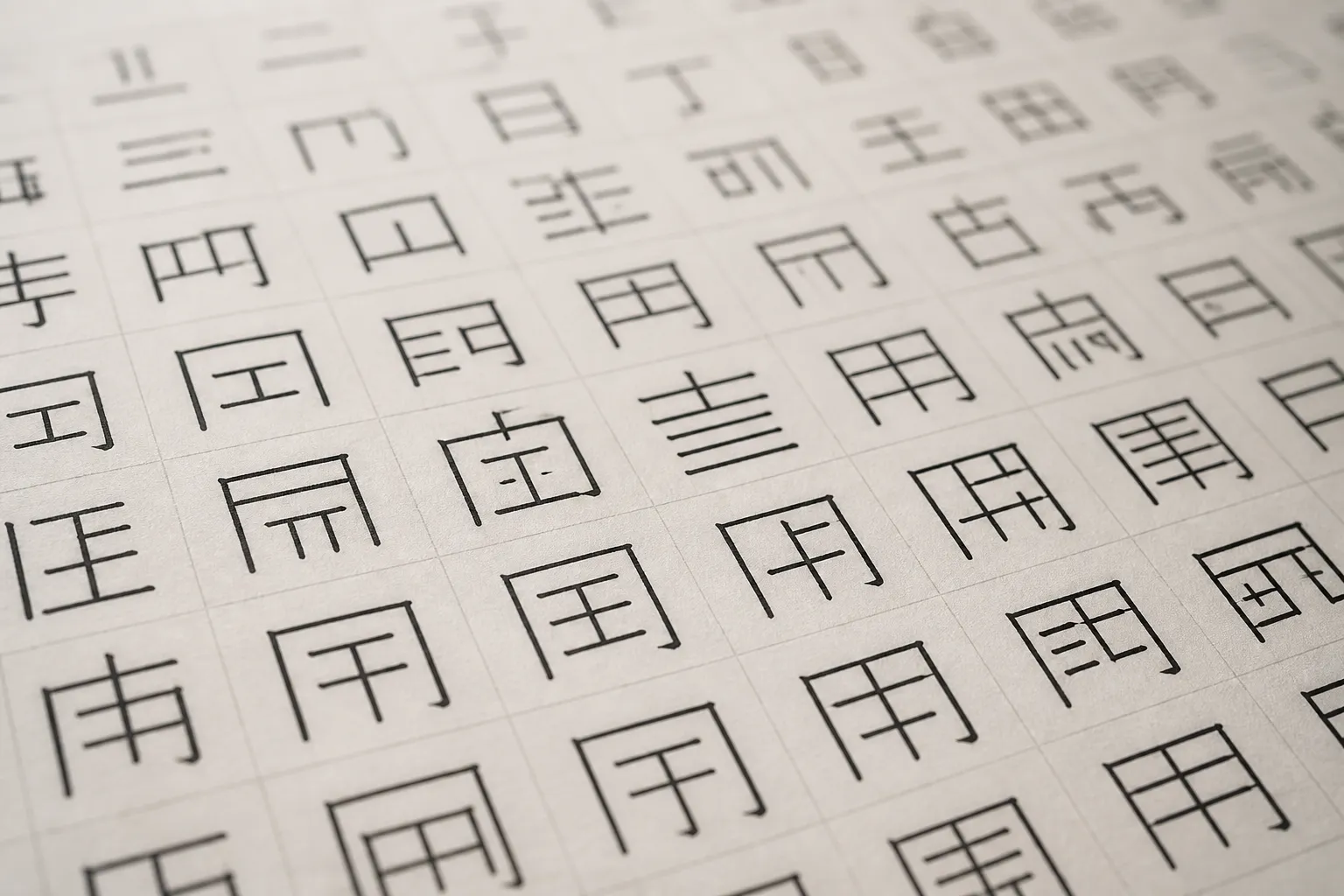
Modern simplified Chinese characters form a closely interconnected system built from 514 basic components. As reported by South China Morning Post, researchers compare the development of Chinese writing over millennia to the process of natural selection.
Basic components
The study was led by Huang Wei of Beijing Language and Culture University and Xie Yonghui of Shanghai Normal University. The work was published in January in the peer-reviewed journal Digital Scholarship in the Humanities.
The authors analyzed the structural system behind the formation of modern simplified Chinese characters using a complex-network approach. They found that a small number of key components are repeatedly combined to form new characters. These elements include 日, meaning sun; 月, moon; and 人, person.
When existing elements were insufficient, entirely new components were created. The National Chinese Specification of Common Components of Modern Characters and Their Names contains 514 basic components.
More current news is available on the UA.News Telegram channel Telegram.
Applications in education
According to the researchers, evolutionary pressure associated with frequency of use shaped a system in which a minority of frequent components predominates, while less central elements remain on the periphery. Xie noted that the transition from more complex forms to simplified ones, including from traditional characters to simplified characters, was partly linked to the desire to make writing easier and to the influence of usage frequency.
A limited set of components may help Chinese language learners master characters more quickly and reduce the burden of memorization. At the same time, Xie cautioned that students should not be taught only the system itself: it is important to develop an understanding that character forms have a structural organization.
According to him, the 514-component model is not a practical replacement for existing text input methods. For example, the Wubi system uses a smaller set of selected radicals optimized for fast typing. The researchers propose further studying the use of this structural system in teaching, information processing and other fields.


