
Study finds lion welfare concerns at South African facilities — TimesLIVE
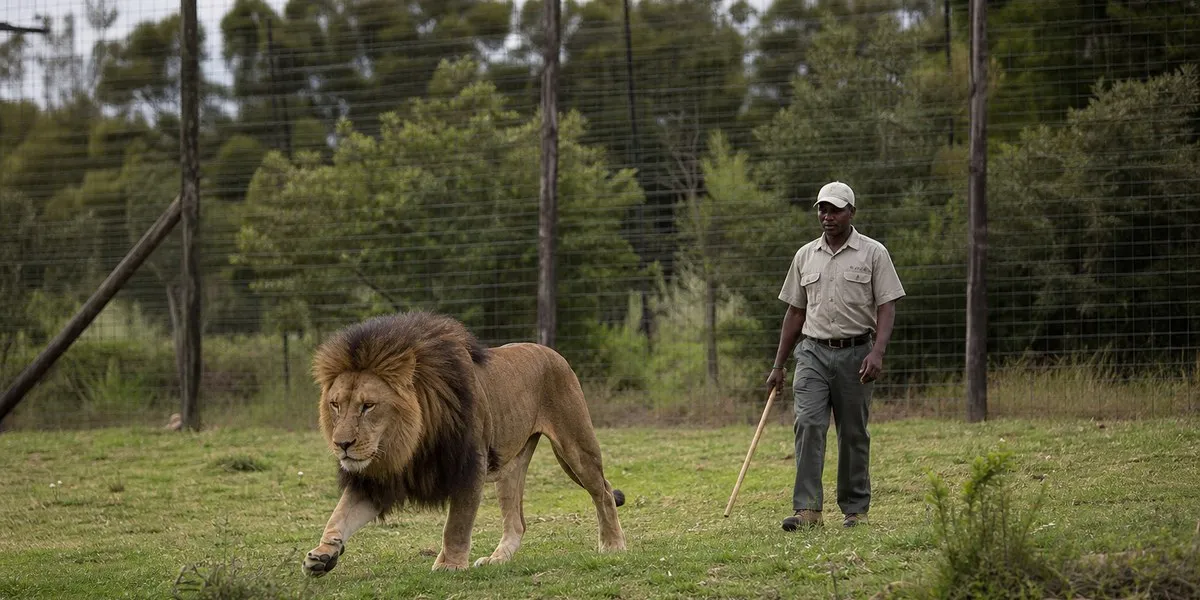
A peer-reviewed study of 34 tourist facilities in South Africa that keep lions in captivity has identified concerns about animal welfare. The assessment was conducted by Blood Lions and World Animal Protection in the provinces of Gauteng, Limpopo, Free State and North West, TimesLIVE reports.
Researchers visited the facilities as paying visitors, documenting conditions and activities available to tourists. The entertainment offered included observing predators, opportunities to pet lion cubs, bottle-feed them and walk with lions.
Keeping conditions
The authors assessed ten welfare and husbandry indicators: mobility, noise levels, the availability of shelter, hygiene, how closely the environment resembled natural conditions, social interaction, environmental enrichment, diet, the intensity of entertainment activities and animal management.
More current news is available on the UA.News Telegram channel Telegram.
According to the study's findings, concerns related to the physical, environmental and behavioural conditions in which the lions were kept. The researchers noted that the similarity of issues across different facilities does not allow them to be explained solely by isolated cases of inadequate care.
Interaction with visitors
About two-thirds of the facilities assessed offered visitors direct interaction with animals. Facilities without such activities generally had better welfare indicators than places offering lion-cub petting, feeding or walks with lions. At the same time, Blood Lions campaign manager Stephanie Klarmann cautioned that an animal-viewing format without contact does not in itself mean that adequate keeping conditions are provided.
Blood Lions director Louise de Waal said that keeping lions in a system focused primarily on their commercial use is usually determined by business needs and profit rather than animal welfare. According to Blood Lions and World Animal Protection, nearly 8,000 lions are kept at about 350 facilities in South Africa. The organisations also said that lions may be used for various commercial purposes throughout their lives — from contact entertainment involving cubs to breeding, captive trophy hunting, export and trade in body parts after death.




