
Dramani: GH¢70,000 allegation should prompt Ghana’s parliament to scrutinize vetting
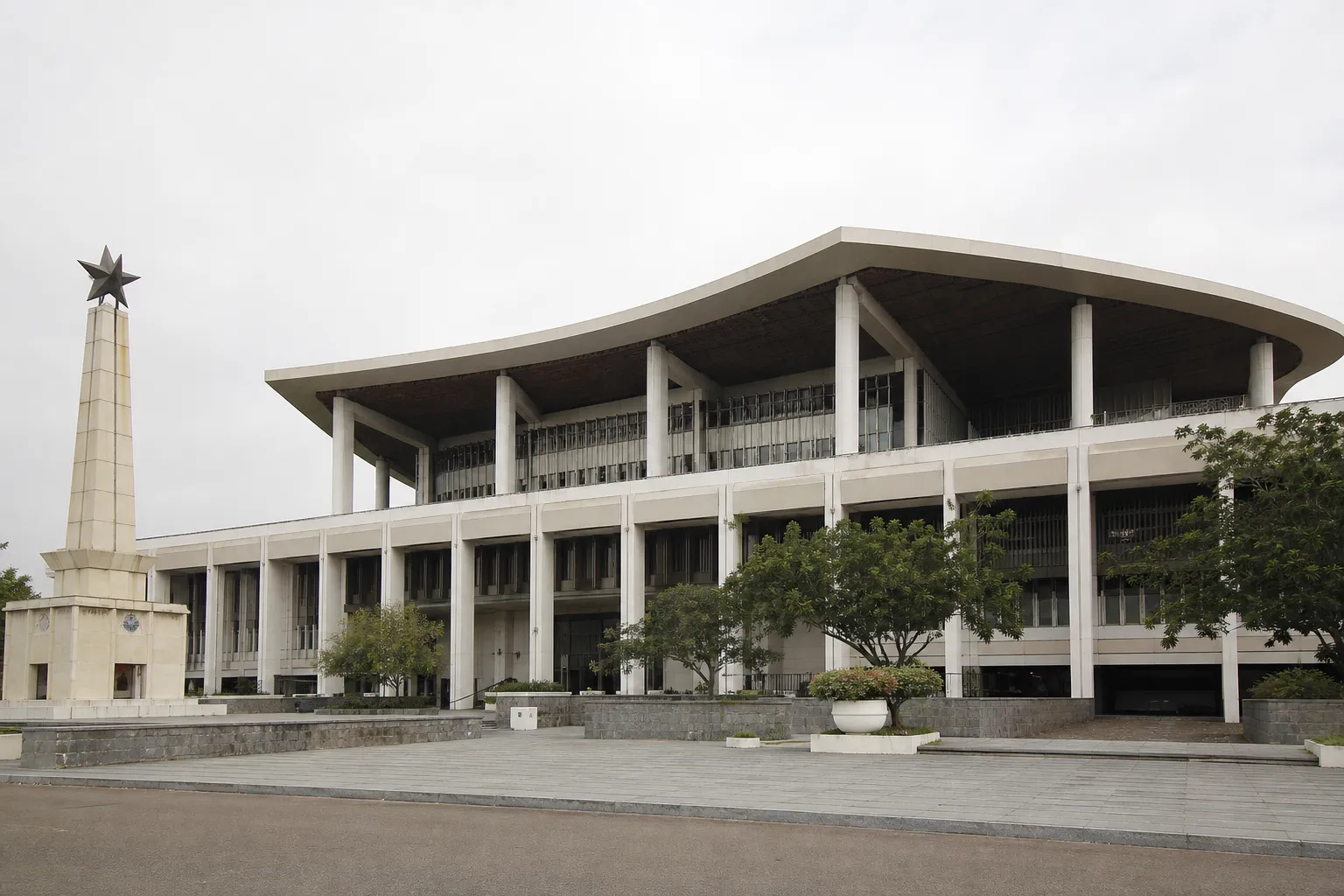
Executive Director of the African Centre for Parliamentary Affairs (ACEPA) Rashid Dramani said that reports of an alleged GH¢70,000 gift linked to parliament’s vetting of nominees for ministerial and judicial positions should prompt a thorough examination of the vetting procedure. He welcomed reports that the deputy minority leader in parliament had rejected the money.
As MyJoyOnline reports, Dramani spoke on the JoyNews AM Show on September 4. According to him, the lawmaker’s position could draw greater attention to the work of parliament’s Appointments Committee.
Questions about the vetting procedure
The ACEPA head noted that the situation should not be limited to recognizing the deputy minority leader’s action. In his view, the allegation of possible financial incentives during the vetting of nominees raises broader questions about the integrity of the procedure and the possibility of similar cases in the past.
More current news is available on the UA.News Telegram channel Telegram.
Dramani stressed that Ghana’s parliament and public should determine whether such claims are an isolated case or may indicate a more longstanding practice. He also questioned whether such a practice could be widespread in the Appointments Committee or other parliamentary committees.
The role of the Appointments Committee
According to Dramani, the Appointments Committee is an important part of Ghana’s constitutional system because it vets nominees put forward by the executive branch. He added that the system is considered an important mechanism for overseeing the executive and that its work is highly regarded by other parliaments in Africa.
Dramani also mentioned previous controversies surrounding parliamentary vetting, including a case in which a media personality came before the committee to apologize. In his view, the latest allegation may give parliament an opportunity to review the procedure for interaction during the vetting of nominees and the existing safeguards against attempts to influence lawmakers. Further steps, he said, should depend on the results of a parliamentary investigation.


