
ECNS: BRICS expands cooperation in energy, finance and technology
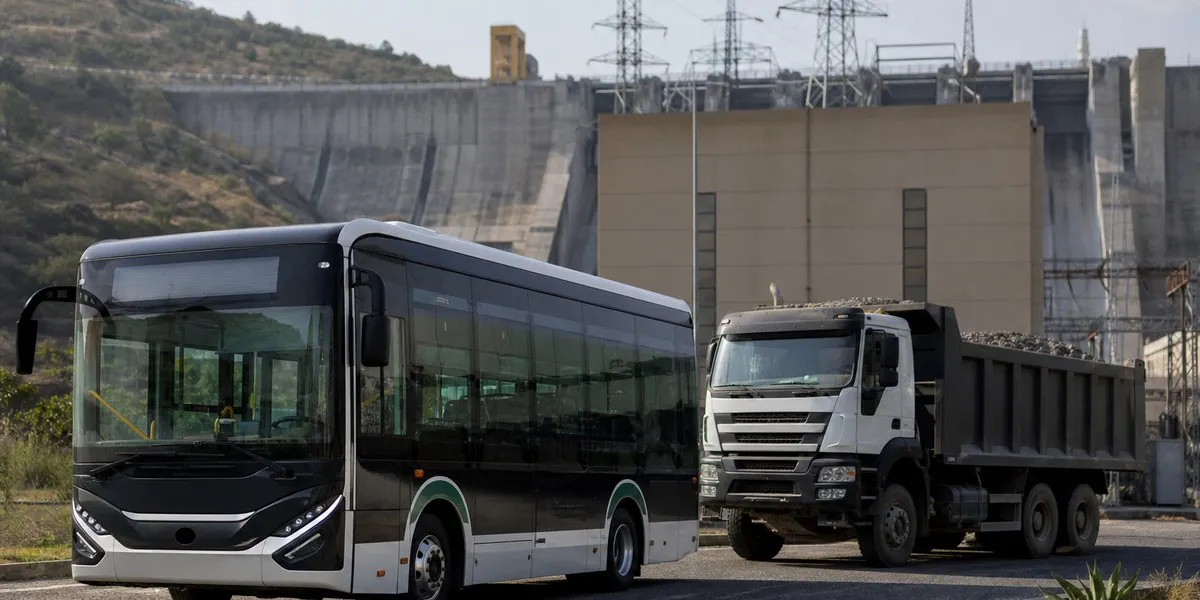
Ethiopia, which officially joined BRICS in 2024, is developing partnerships in energy and industry within the grouping. This is stated in an ECNS article dedicated to cooperation between BRICS countries and the Global South.
According to the publication, Ethiopia's dependence on imported oil previously cost the country about $6 billion annually in foreign currency. Cooperation with Chinese companies, ECNS reports, includes electric buses, heavy trucks, oil-to-gas transition projects and technical training for specialists. The publication believes this could help the country tap its substantial hydropower potential and develop more environmentally friendly industrial production.
BRICS development
ECNS estimates that over more than two decades, BRICS has evolved from a format of four founding states into “Greater BRICS,” representing nearly half of the world's population and about 30% of global GDP. Wang Yuming, a researcher at the China Institute of International Studies, described the rapprochement of BRICS countries as a historical necessity.
More current news is available on the UA.News Telegram channel Telegram.
Xu Feibiao of the China Institutes of Contemporary International Relations stated that BRICS is not a security organization or a political alliance, but focuses on economic cooperation, sovereign equality and consultations.
Technology and financing
In May, representatives of more than 20 BRICS countries and partner states met in Xiamen, China, to discuss intelligent manufacturing ecosystems. Among the areas of cooperation, ECNS names artificial intelligence, digital technologies, standardization and certification, which can reduce cross-border business costs.
According to Xinhua data cited by ECNS, the New Development Bank, established by BRICS countries, had approved loans totaling more than $42 billion by the end of 2025. The bank is an additional source of project financing for developing markets and countries.


