
Ecologist Moll estimates renosterveld loss in South Africa at 95%
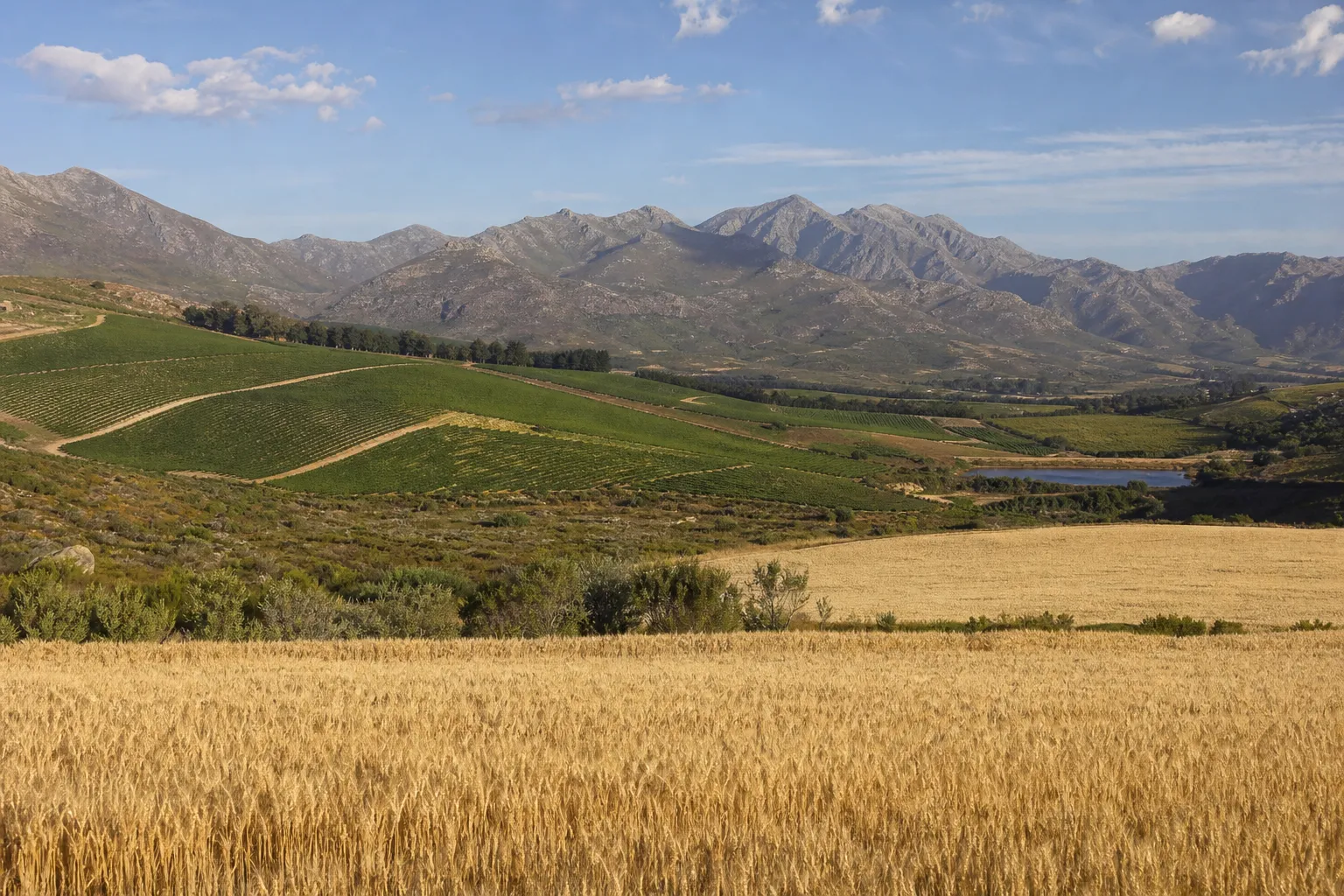
In South Africa’s Western Cape province, about 95% of renosterveld — a local vegetation type found on more fertile shale and granite soils — has already been lost, according to plant community ecologist Eugene Moll. He said that prolonged ploughing of such areas leads to the disappearance of the seed bank, geophytes, annual plants and wildflowers.
As Daily Maverick reports, Moll has been studying the region’s vegetation since the 1970s. He noted that ploughed renosterveld can be restored, but this would require reseeding plants. The ecologist called this a difficult task, as the underground seed reserve becomes depleted over time.
Fertile soils for agriculture
According to Moll’s description, renosterveld grows on more nutrient-rich soils suitable for growing grains. That is why the first farmers began clearing these areas almost immediately. By contrast, fynbos, another vegetation type characteristic of the Cape region, is adapted to sandstone soils with very low phosphorus content.
More current news is available on the UA.News Telegram channel Telegram.
The ecologist called the result of agricultural development “ecological simplification.” He said wheat fields have occupied flat areas, while vineyards climb mountain slopes, turning them into monocultures. He considers the greatest loss to be not renosterbos itself, but the diversity of plants that grew beneath and alongside it.
Grazing and soil erosion
Moll suggests that renosterbos, which gave renosterveld its name, is a weedy or pioneer species. In his view, the spread of this shrub may have been facilitated by overgrazing after people with sheep and cattle appeared on the west coast about 2,000 years ago. Due to grazing, grasses may have disappeared and been replaced by woody weedy species.
Moll separately identified the loss of the topsoil layer, approximately 10–15 centimetres thick, where plants absorb almost all nutrients, as a threat. He warned that surface erosion could destroy soil resources in several decades that took millions of years to form.


