
Former Australian Deputy Prime Minister Barnaby Joyce denies seeking to lead One Nation
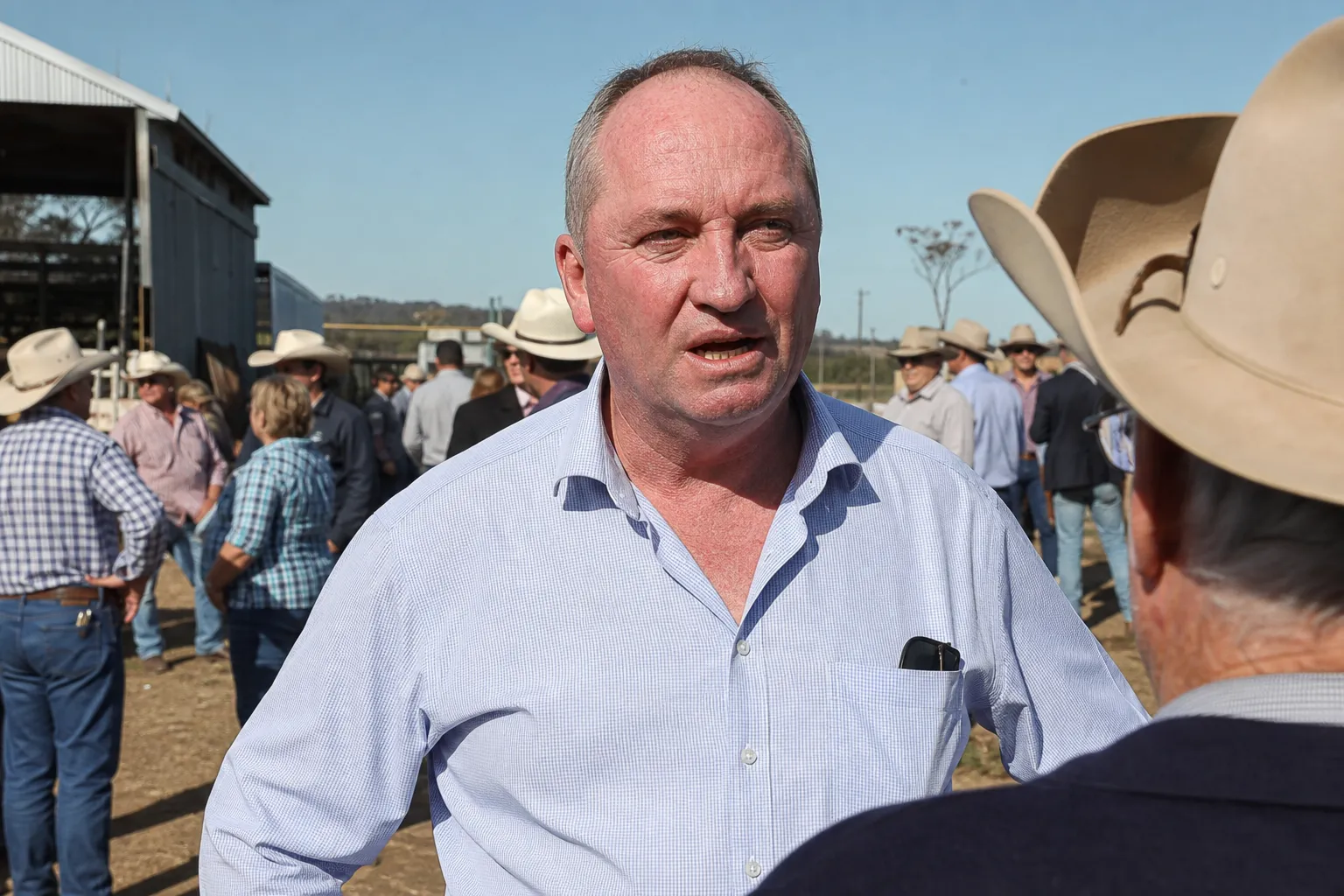
Former Australian deputy prime minister and ex-leader of the National Party Barnaby Joyce said he does not intend to lead the One Nation party after joining it at the end of 2025. He said this in an interview with ABC News Australia.
The 59-year-old Joyce represented the National Party for 20 years. He compared One Nation to Pauline Hanson’s fish-and-chips shop, referring to her business before entering politics, and stressed that the 72-year-old party leader should not fear that he is seeking her position.
Reaction from former allies
National Party leader David Littleproud, who replaced Joyce in the role in 2022, does not share these assurances. According to him, Joyce has never abandoned his desire to lead, regardless of which organization he belongs to.
Former National Party senator John Williams called Joyce’s switch a betrayal of the party. Joyce himself rejected suggestions that joining One Nation was revenge against his former colleagues. He said he does not want to harm others but will not allow himself to be pressured.
ABC host Patricia Karvelas believes that an alliance between Joyce and Hanson could be mutually beneficial. At the same time, she said representatives of different political camps expect a possible conflict between them.
More current news is available on the UA.News Telegram channel Telegram.
Break with the National Party
In June 2021, Joyce became leader of the National Party for a second time, ousting Michael McCormack, and returned to the post of deputy prime minister in Scott Morrison’s government. That same year, he negotiated with Morrison on a multibillion-dollar infrastructure deal intended to secure the National Party’s support for the net-zero emissions target by 2050.
Joyce, who opposed such a commitment, ultimately voted against the deal at a party meeting. After the coalition’s defeat in the May 2022 election, he lost the leadership contest to Littleproud. Joyce viewed the new leader’s statements about generational change as a signal that he would no longer receive an influential post in the National Party.
The former deputy prime minister also believes that his switch helped boost One Nation’s polling support because it gave some voters confidence to vote for the party. Littleproud, in turn, said National Party members were upset by Joyce’s decision to leave the political movement which, in his view, had given him significant opportunities.
Different approaches of Joyce and Hanson
Joyce acknowledged that he and Hanson communicate their views to voters differently. He noted that he would not repeat some of her actions, including appearing in parliament in a burqa during a campaign to ban such clothing.
After Hanson was criticized over her interview with far-right anti-Islam activist Tommy Robinson, Joyce told journalists that One Nation does not support the White Australia policy. Hanson also said that her daughter, Lee Hanson, could potentially become the party’s future leader. Joyce said he does not consider these words to be the designation of a successor, but views them as an assessment of Lee Hanson’s abilities.




