
The EU has imposed sanctions on those who help Russia sell oil
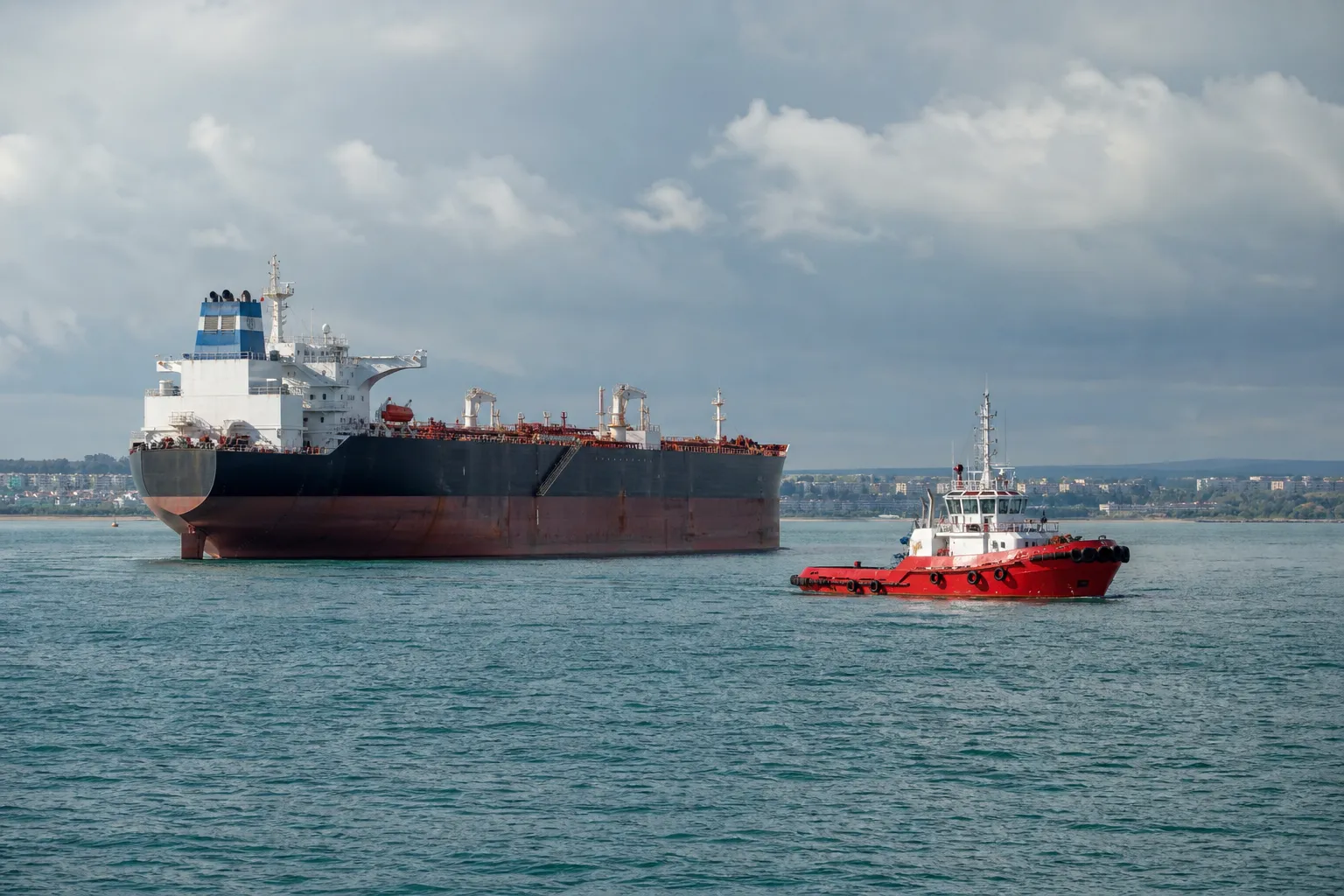
As part of its 21st sanctions package, the European Union is imposing new restrictions on oil traders, as well as on companies and entities that support the operations of Russia’s so-called “shadow fleet.”
During a briefing in Brussels, an EU representative explained that while oil remains a key source of revenue for Russia, the ways in which that revenue is generated are changing. In response to previous restrictions, Moscow has adapted its export networks through new companies, some of which are located outside Russia. All such identified oil traders are now included on the sanctions list.
In addition, the EU is expanding the list of sanctioned entities and, for the first time, has imposed restrictions on a crewing company that was involved in recruiting and hiring seafarers for “shadow fleet” vessels. The new measures also target several Russian oil refineries to block Russia’s ability to restore and modernize damaged infrastructure. Against the backdrop of an oil shortage in Russia and its reliance on supplies from refineries in third countries, a Belarusian oil refinery involved in facilitating these re-imports has been added to the sanctions package.
Source: Interfax-Ukraine.
The European Union has approved its 21st package of sanctions against Russia in response to its aggression against Ukraine. The new restrictions target the financial sector, the energy sector, the military-industrial complex, the shadow fleet, and schemes to circumvent sanctions.
Earlier, the Ukrainian Foreign Ministry called for tougher sanctions following Russia’s attack on a tanker near Romania.
The EU will impose sanctions against Belarusian oil refineries for supplying gasoline to Russia.


