
Estonian actors call against weakening data protection for AI — ERR News
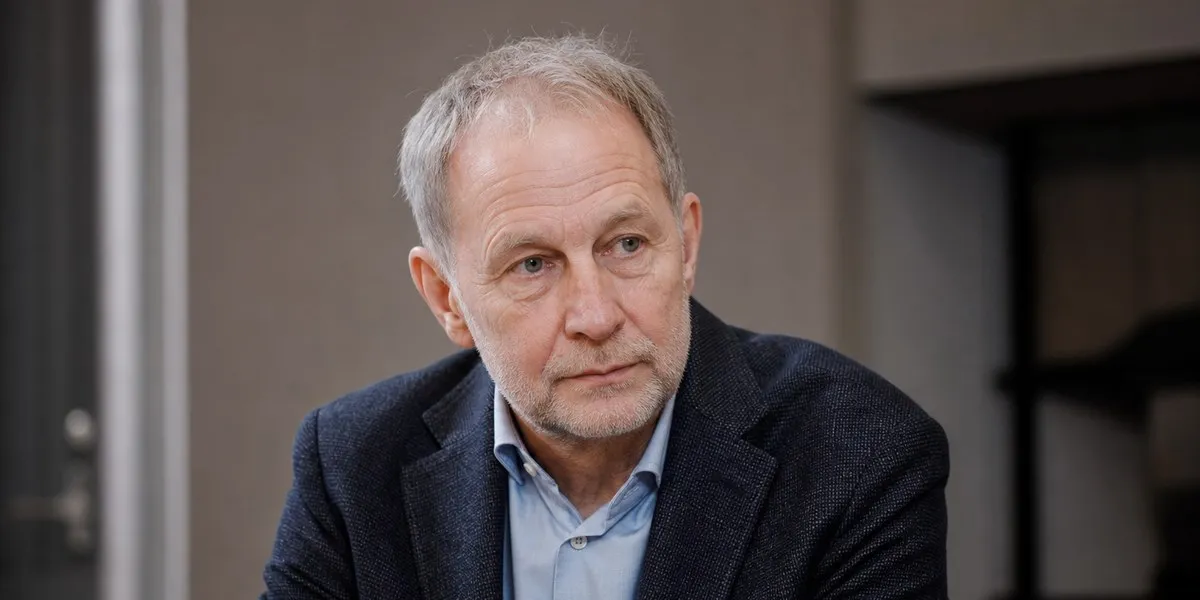
The Estonian Actors' Union has called for personal data protection rules in the European Union not to be weakened. The union fears that proposed changes to the General Data Protection Regulation (GDPR) would make it easier for developers and artificial intelligence systems to use performers' voices, appearances and movements. ERR News reports.
Union chair Reimo Sagor said that provisions of the digital omnibus package could weaken requirements for the processing of personal data, the justification for such processing, and the obligations of those working with this data. In his view, ambiguous wording could allow AI developers to use people's faces, voices, appearances and movements to train systems without separate permission, proper transparency and remuneration for actors.
Concerns over performers' movements
Sagor also drew attention to the possible lack of clarity in the definition of personal data. He explained that an actor's movement pattern is part of their personal data. If such a pattern is not considered data that can be linked to a specific person, it could be used in an AI system, and studios could reproduce a performer based on these movements.
More current news is available on the UA.News Telegram channel Telegram.
The union said it does not permit its members' performances to be used for AI training. According to Sagor, separate permission must be obtained to use a voice or other elements of acting work in system training or video production.
Position of the Estonian authorities
Estonian Minister of Culture Heidy Purga confirmed that her ministry had received a letter from the Actors' Union and shares its concerns. She said that copyright protection issues are planned to be discussed at a meeting of culture ministers in the NB8 format in Tallinn at the beginning of October. In her view, it is important for small states to coordinate a common position on AI regulation.
Kristi Värk, head of the Data Protection Law Department at the Ministry of Justice and Digital Affairs, noted that discussions in the Council of the EU are still ongoing, so the final content of the legislation is currently unknown. According to her, Estonia's position is that all applicable legal grounds must be ensured during AI development, and consent is one such ground.




