
Estonian lecturer Tiit Hennoste reflects on the spread of lies
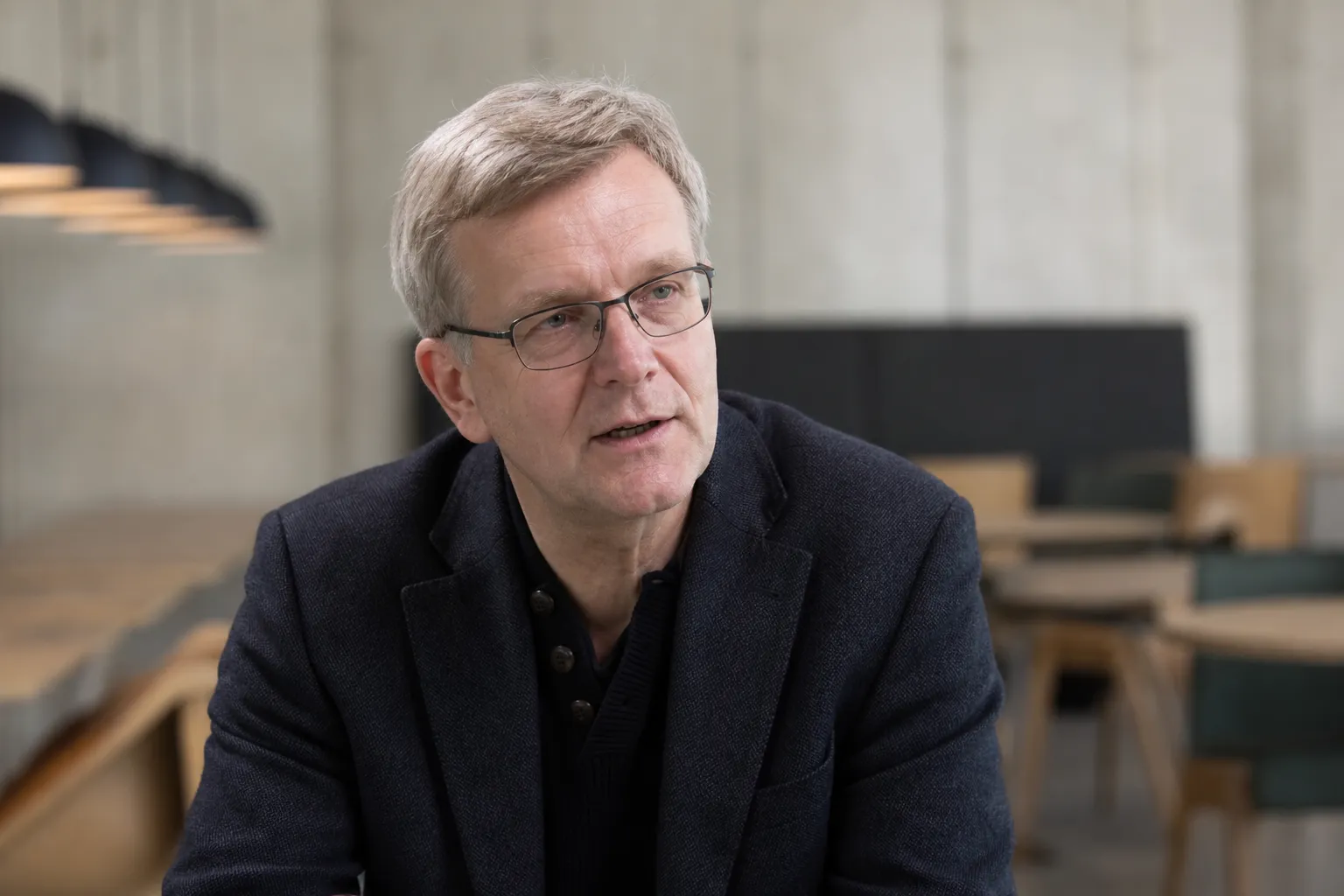
In Estonia, University of Tartu lecturer Tiit Hennoste reflects in a column on lies in politics, the media, science, social networks and the field of artificial intelligence. The text, which was first published in the Sirp magazine, was published by ERR News.
Lies in different spheres
Hennoste writes that, in his view, untruth is present in the activities of politicians, lawyers, religious institutions, journalism, advertising and sports. Among the examples, he names doping, manipulative headlines, the mixing of facts and opinions, as well as content marketing.
According to the author, the scientific sphere is also not fully protected from half-truths and outright lies, despite rules designed to prevent this. He mentions the transparency of research procedures, the reproducibility of results and blind peer review. Hennoste notes that false or partially false claims have been identified in science, including in influential journals.
The author explains the existence of such a system by saying that not everyone lies, and that untruth is exposed both by competitors and by people guided by ethical considerations. He also asserts that major false claims are more often a privilege of influential people, while exposure does not always receive publicity.
More current news is available on the UA.News Telegram channel Telegram.
Social networks and AI
Hennoste believes that social networks have made lies global and contributed to the emergence of numerous online fraudsters. At the same time, in his assessment, they have enabled millions of people to create an embellished image of their lives, appearance, wealth and popularity.
He separately assesses the spread of artificial intelligence critically. The author calls false responses from such systems hallucinations and expresses concern about AI's rapid penetration into various spheres of society, including universities. He writes that people preparing qualification papers are already telling the media about using AI to complete tasks faster, and suggests that the technology may replace those who write texts for money.
Hennoste believes that vanity, envy, fame, convenience, money and power remain the drivers of lies. He also asserts that social networks and AI have created more large-scale opportunities for spreading untruth than existed under Soviet rule.


