
Bank of Ghana expects cedi stability despite currency demand
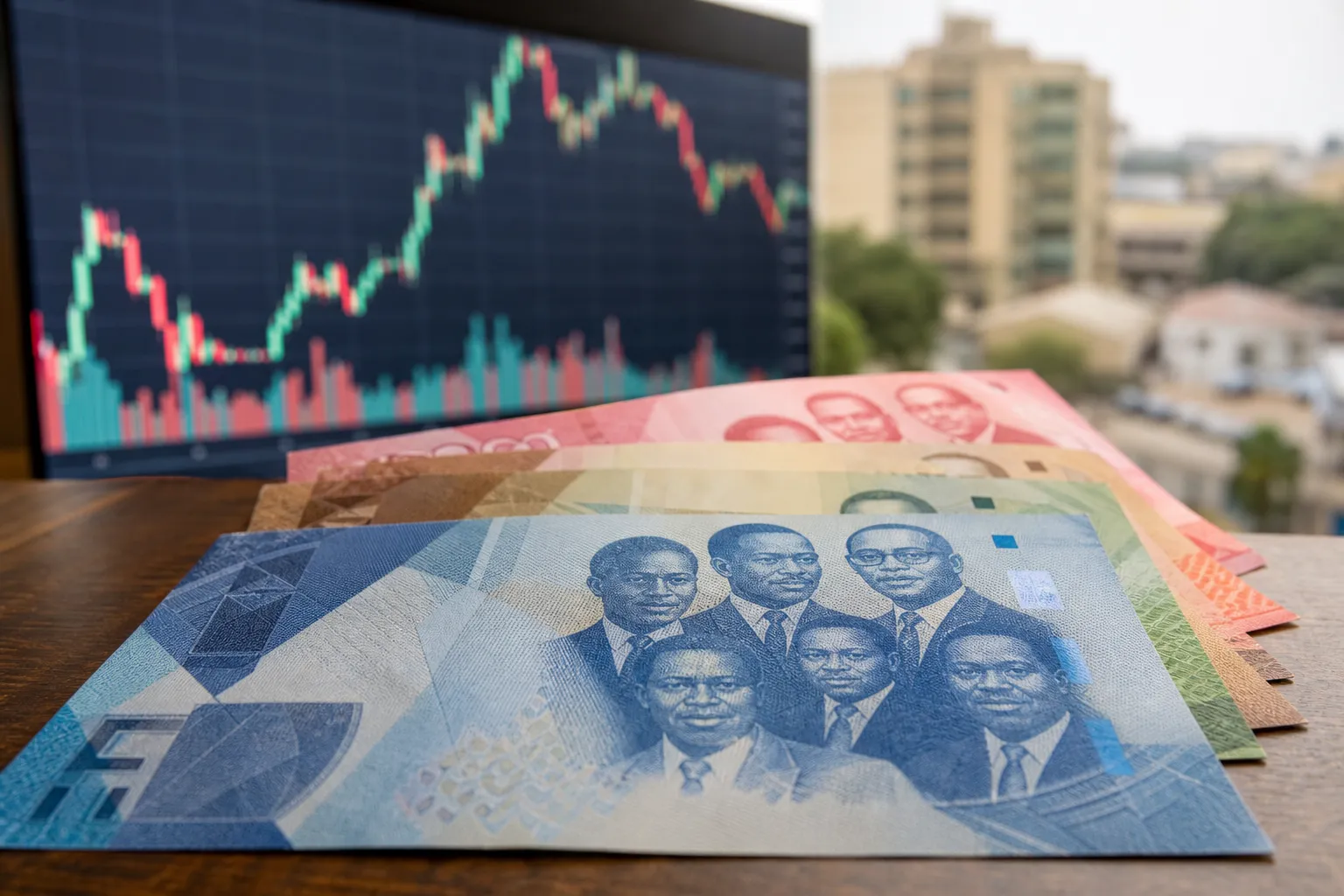
In Ghana, the central bank expects the national currency, the cedi, to remain relatively stable through the end of 2026 despite rising demand for foreign currency to finance imports ahead of the Christmas season. This is stated in the regulator's latest monetary report, MyJoyOnline reports.
The Bank of Ghana believes that pressure on the cedi will be eased by foreign exchange interventions and remittance inflows. The regulator also said it is prepared to intervene when necessary to maintain orderly conditions in the foreign exchange market while preserving exchange-rate flexibility.
Foreign exchange market support
The central bank expects to provide the market with about $500 million in September through its foreign exchange operations programme. Additional support, according to the publication, may be provided by the Ghana Gold Board, also known as GoldBod.
GoldBod aims to secure $1.4 billion in foreign exchange inflows in September to maintain market stability and build up reserves. Of this amount, $700 million is planned to be provided to commercial banks through spot sales and funded forward contracts. Another $700 million is to be directed to the Bank of Ghana to accumulate reserves under the Ghana Accelerated National Reserve Accumulation Policy.
More current news is available on the UA.News Telegram channel Telegram.
Cedi dynamics in 2026
Despite the improved outlook, the Bank of Ghana reported a significant weakening of the cedi in the first half of 2026. On the interbank market, since the beginning of the year the currency has depreciated by 7.9% against the US dollar, by 6.5% against the British pound and by 5.3% against the euro.
During the same period in 2025, the cedi, conversely, strengthened by 42.6% against the dollar, by 30.3% against the pound and by 25.6% against the euro. The regulator partly attributed the pressure on the currency at the beginning of the year to increased energy-related imports.
As of 17 July, the cedi's cumulative weakening against the dollar stood at 9.5%. According to the latest data cited, cumulative depreciation amounted to 7.11% at the end of August. At the same time, the central bank noted that during the first 140 trading days of 2026, the cedi was less volatile than in the corresponding periods of the previous four years.


